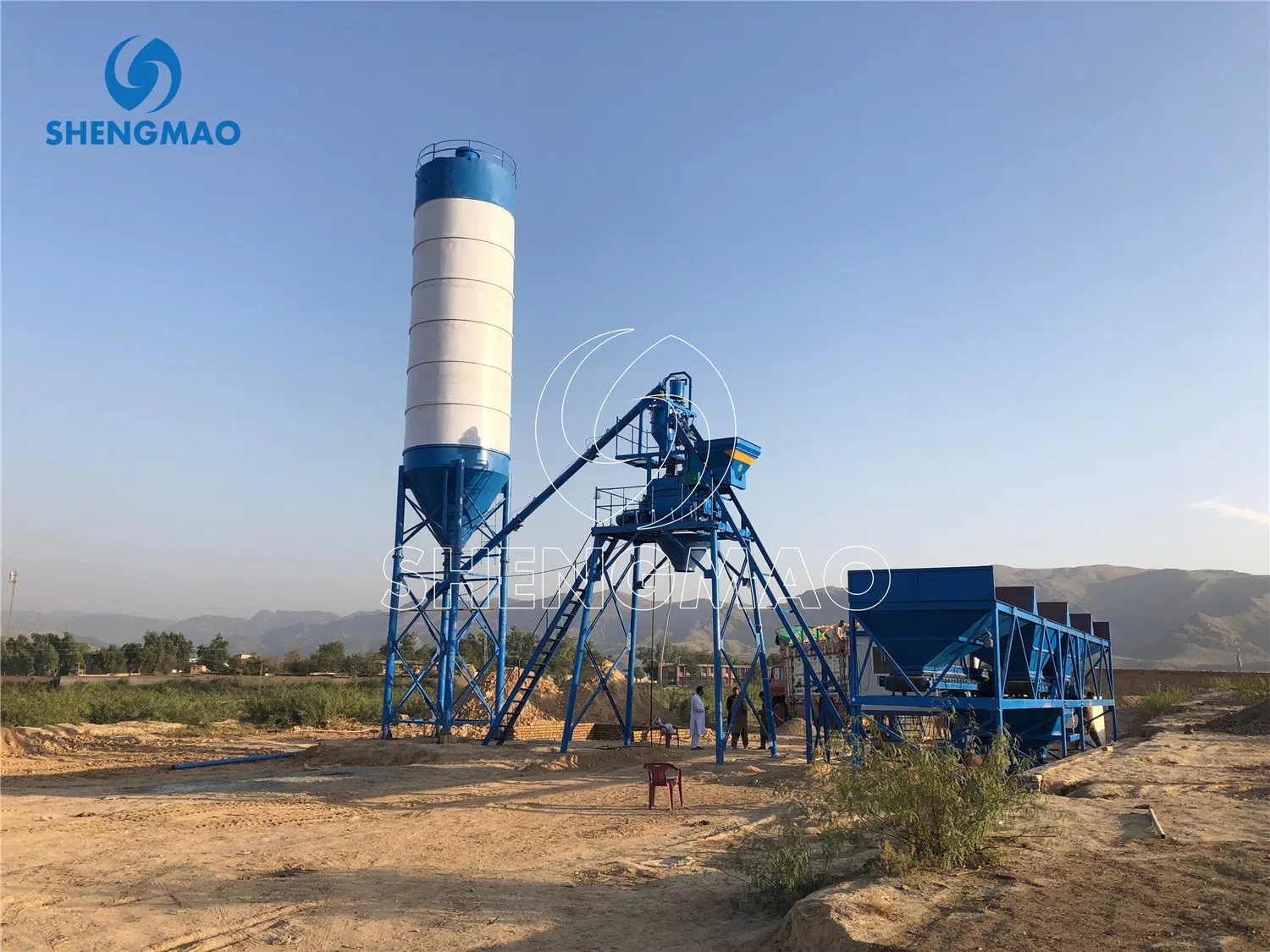
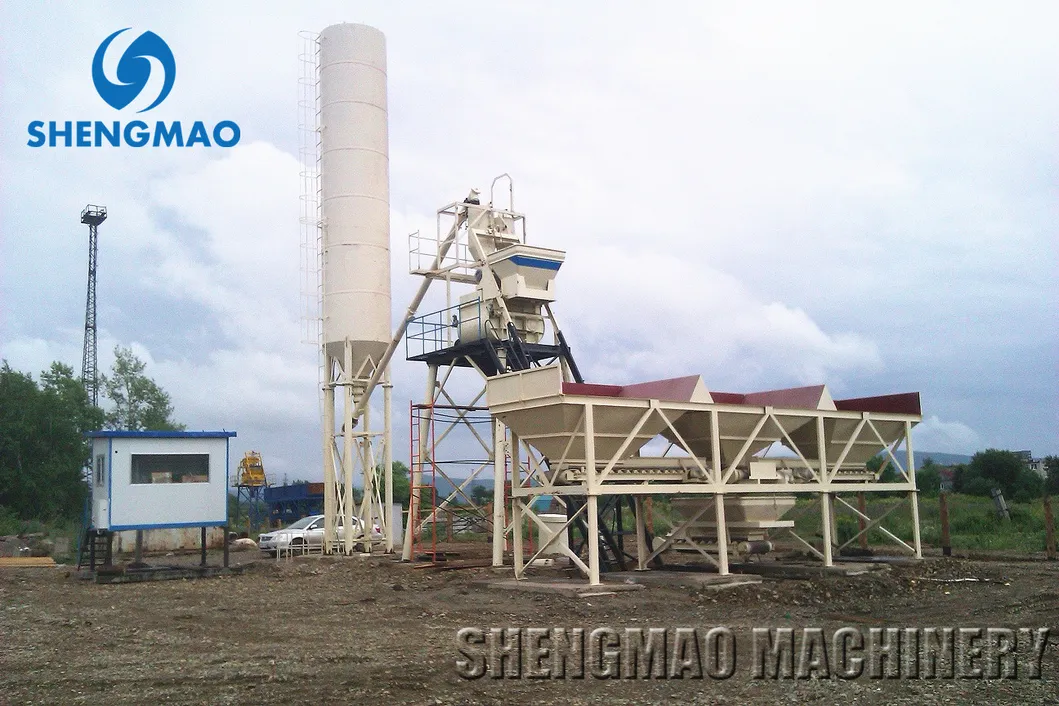
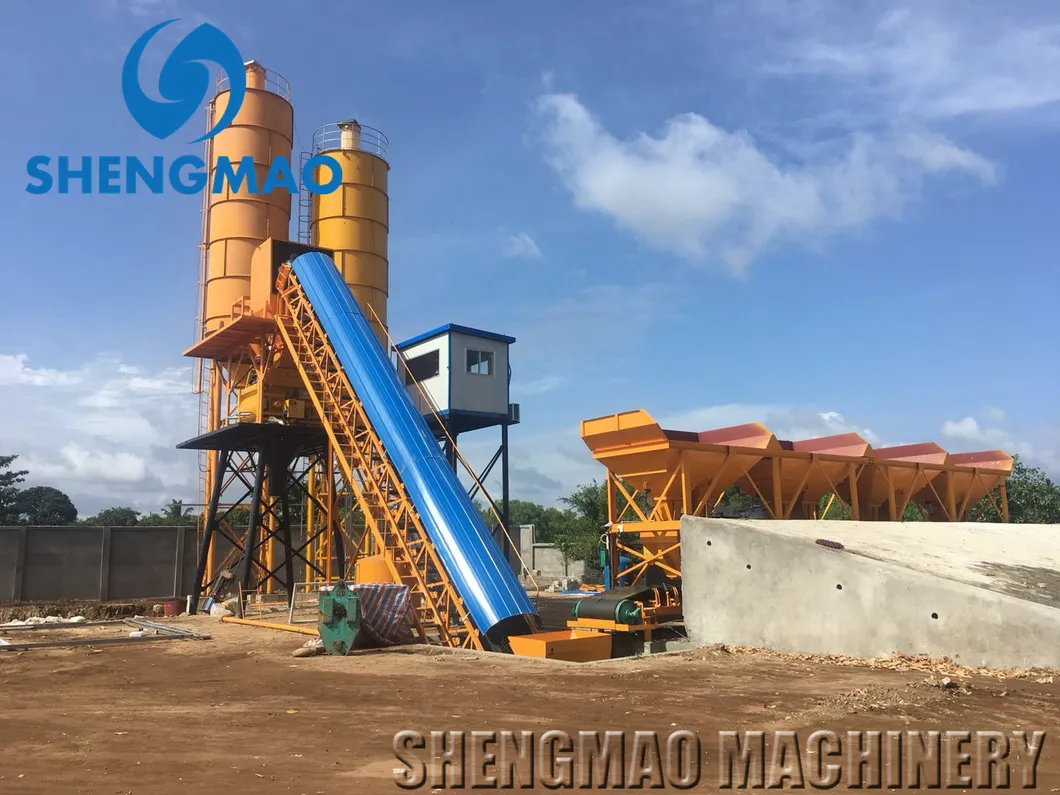
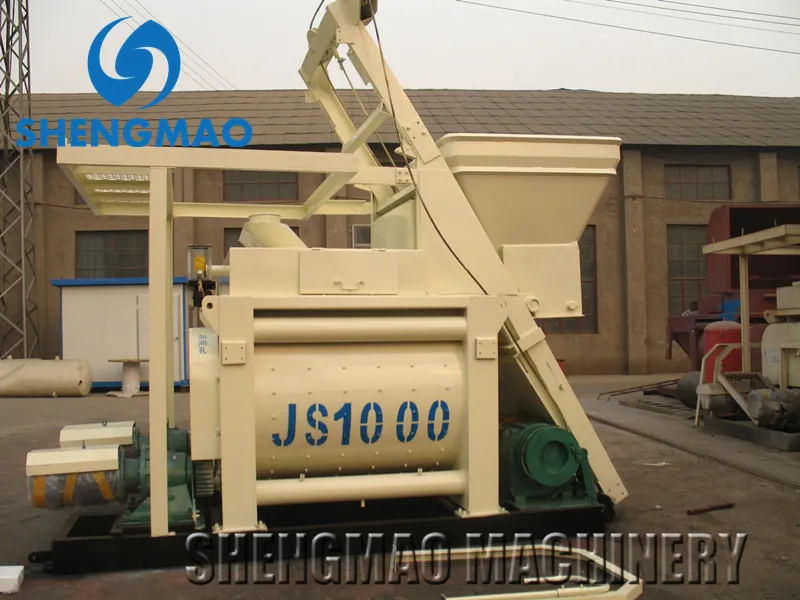
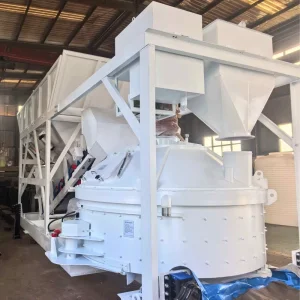
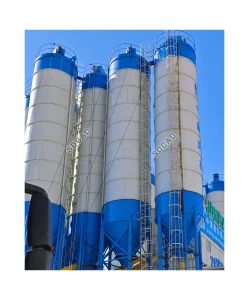
Hzs Stationary Concrete Batching Plant Beton Concrete Cement Fly Ash Mixing Plant for Construction Use

Customization: Available
Warranty: 1 Year
Condition: New

Product Description

i

Basic Information

Power Type
Electric
Machine Type
Production Line
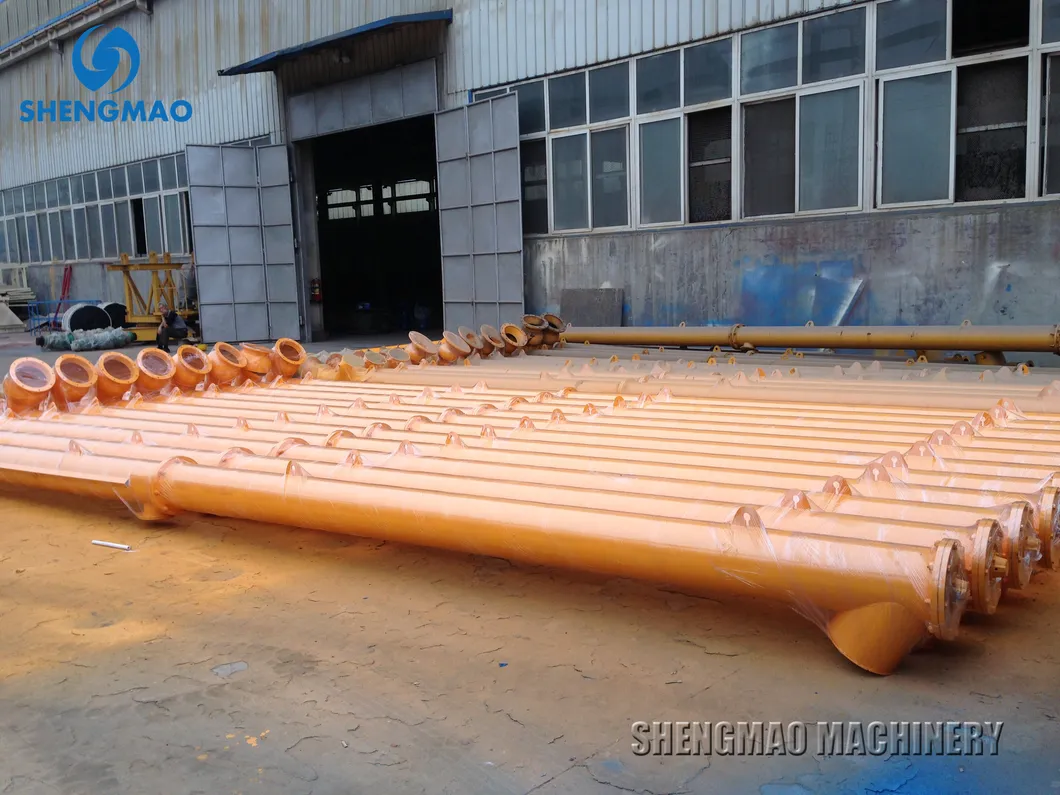
Screw Conveyor
8m*219mm
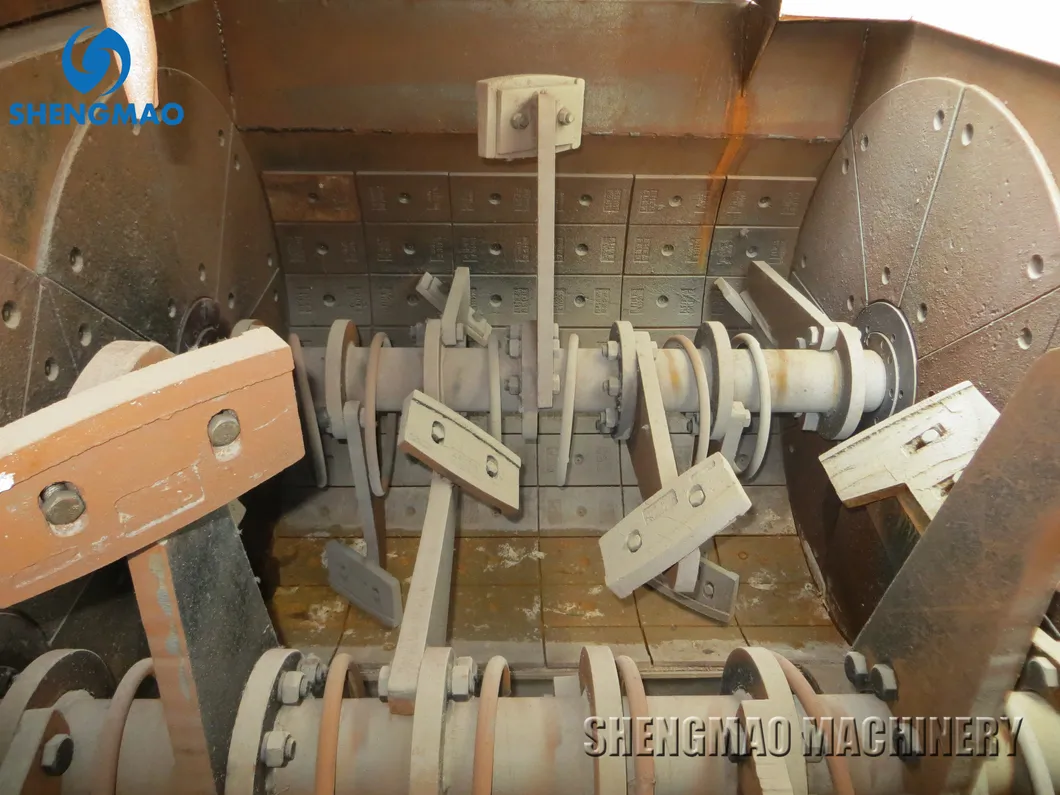
Mixer
Js500 Twin-Shaft Mixer
Weight
10000 Kg
Capacity
25m3/H
Core Components
PLC, Motor
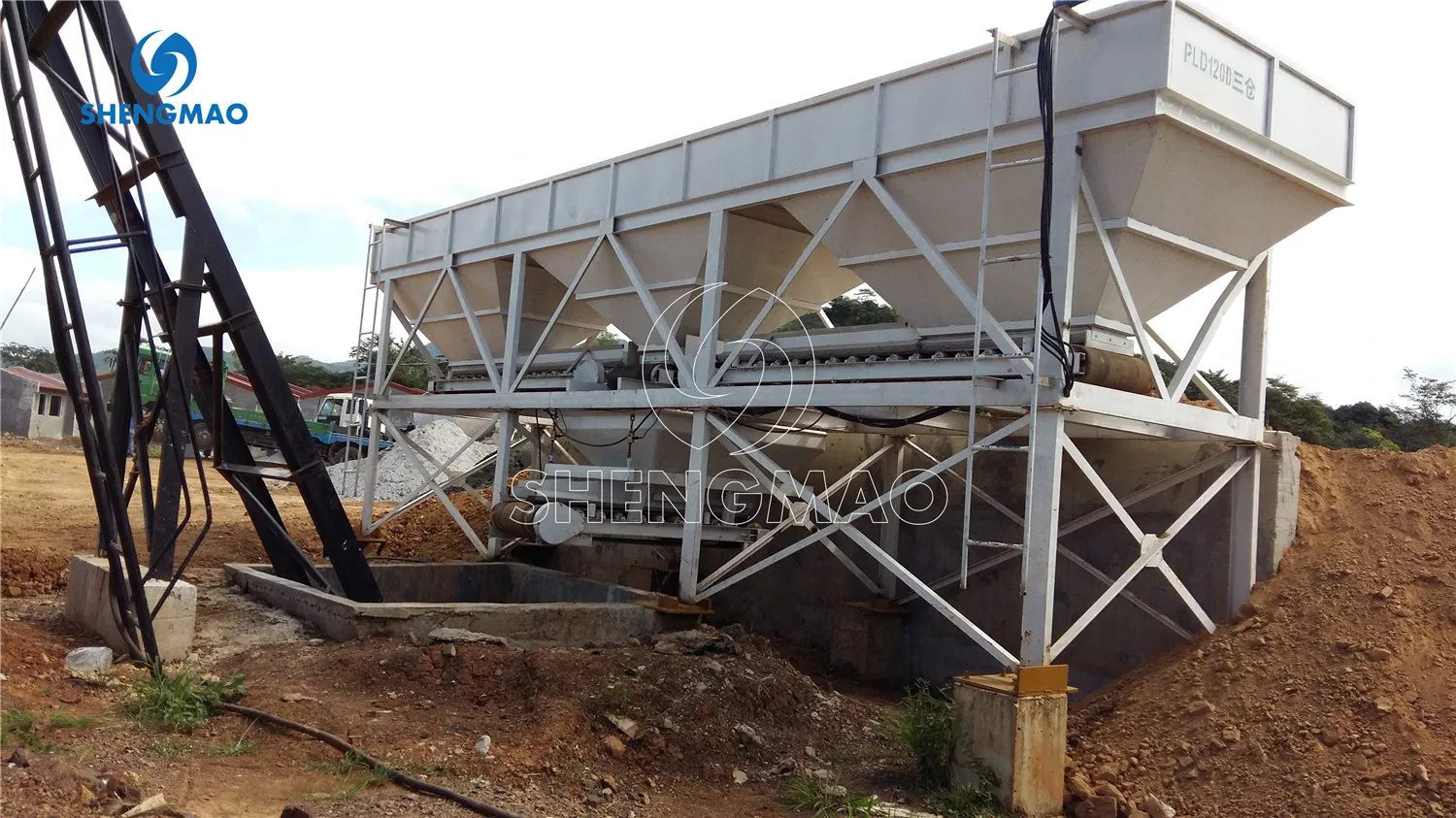
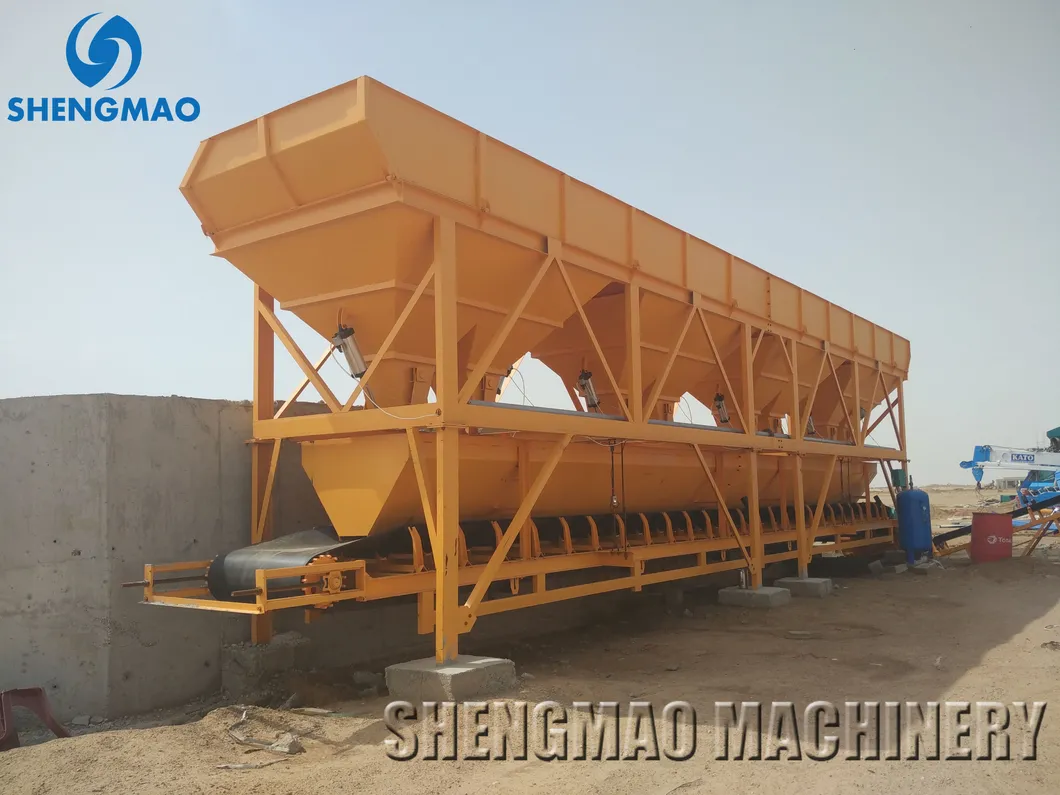
Aggregate Batcher
PLD800 with 3 Bins
Control System
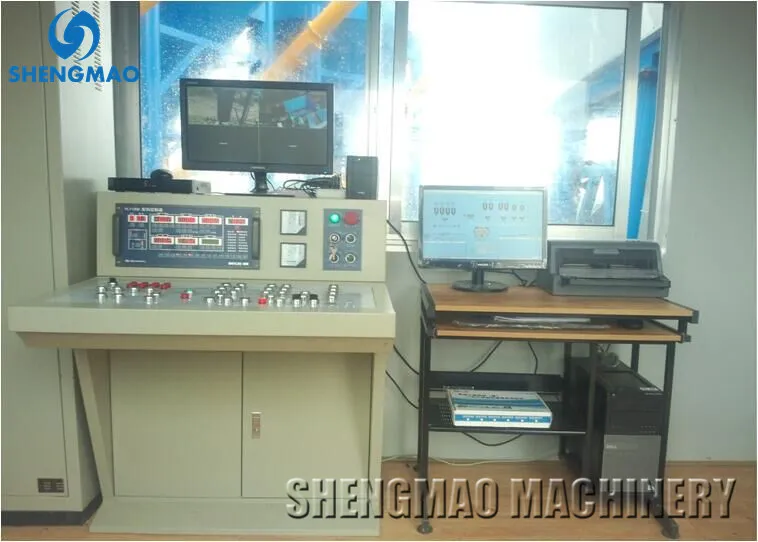
Panel Control
Power
65 Kw
HS Code
8474310000
Production Capacity
200 Set/Sets Per Year
P

Product Description

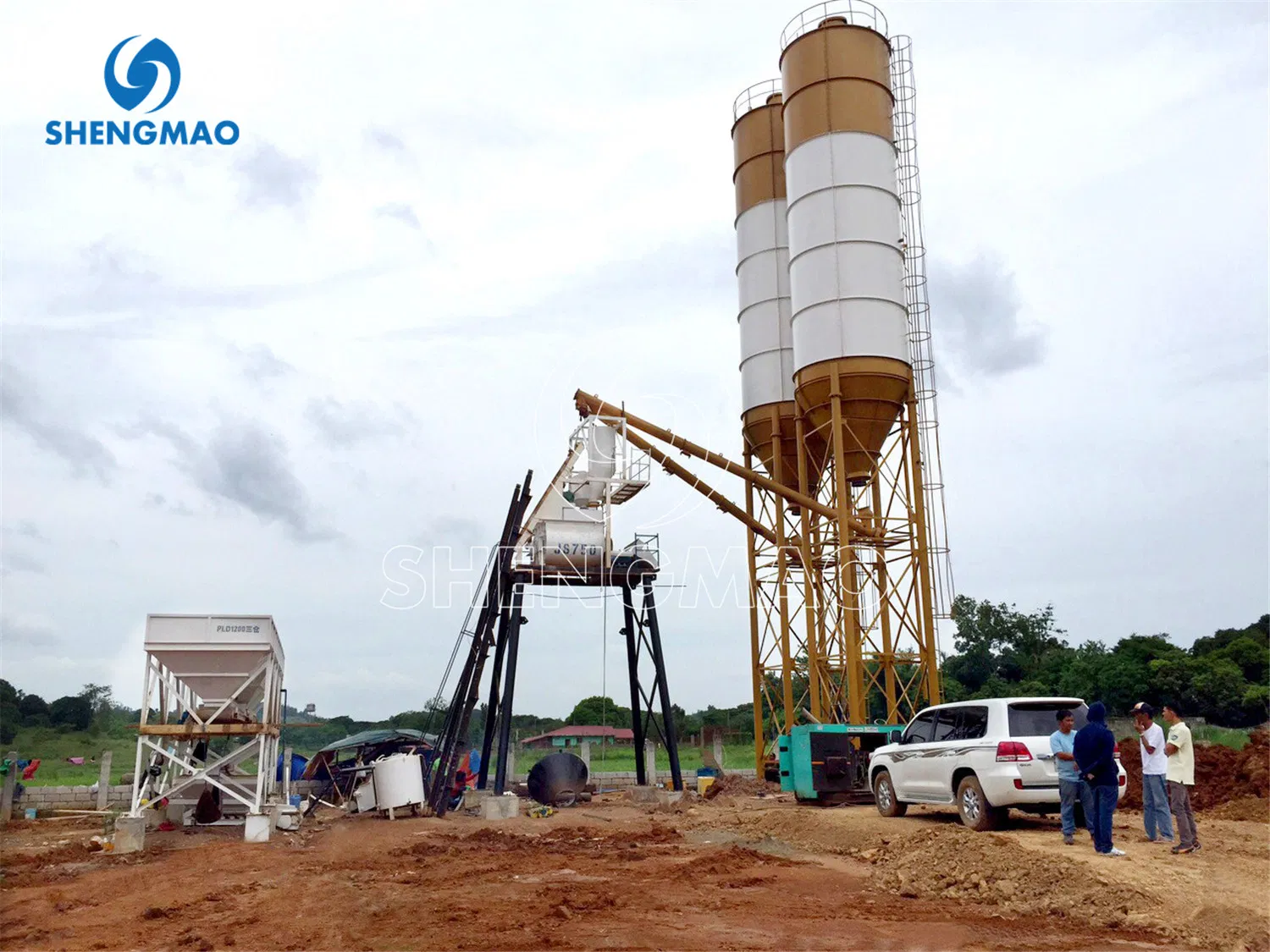
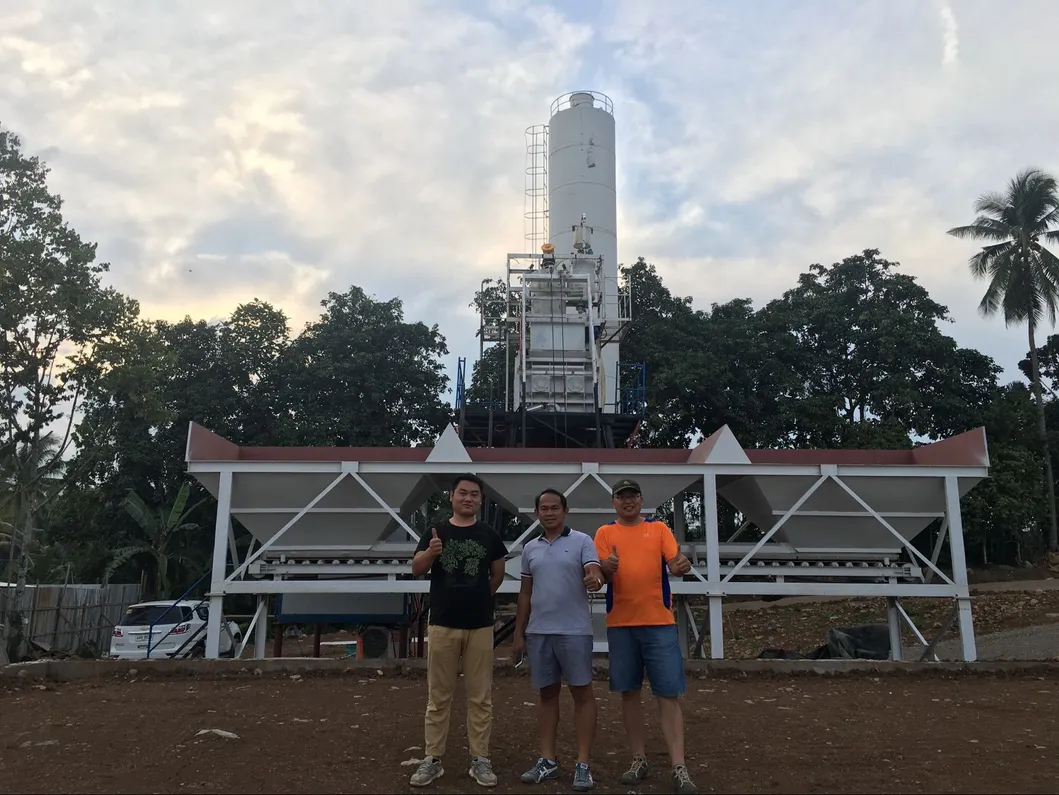
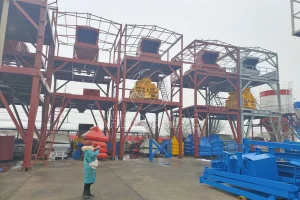
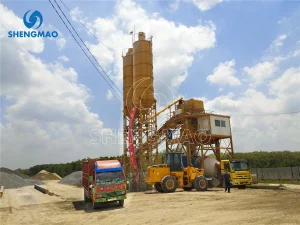
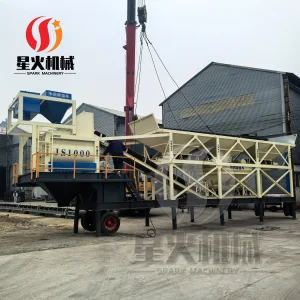
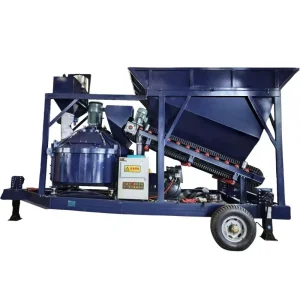
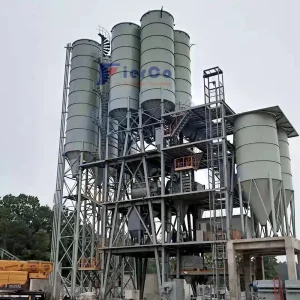
Stationary concrete batching plant is widely used for large and medium-sized construction work and infrastructure projects, such as commercial and residential properties, road construction, commercial concrete supply etc. It is an ideal choice for the production of high-quality concrete with large amount demand.

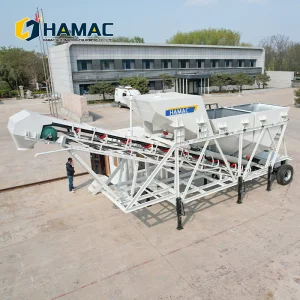
According to the aggregate feeding method, stationary concrete batching plant can be categorized into two types: Skip hoist type and belt conveyor type. The capacity of Skip hoist type concrete batching plant can be 25/35/50/75 m3/h, and the capacity of belt conveyor type concrete batching plan can be 60/90/120/180/240 m3/h.

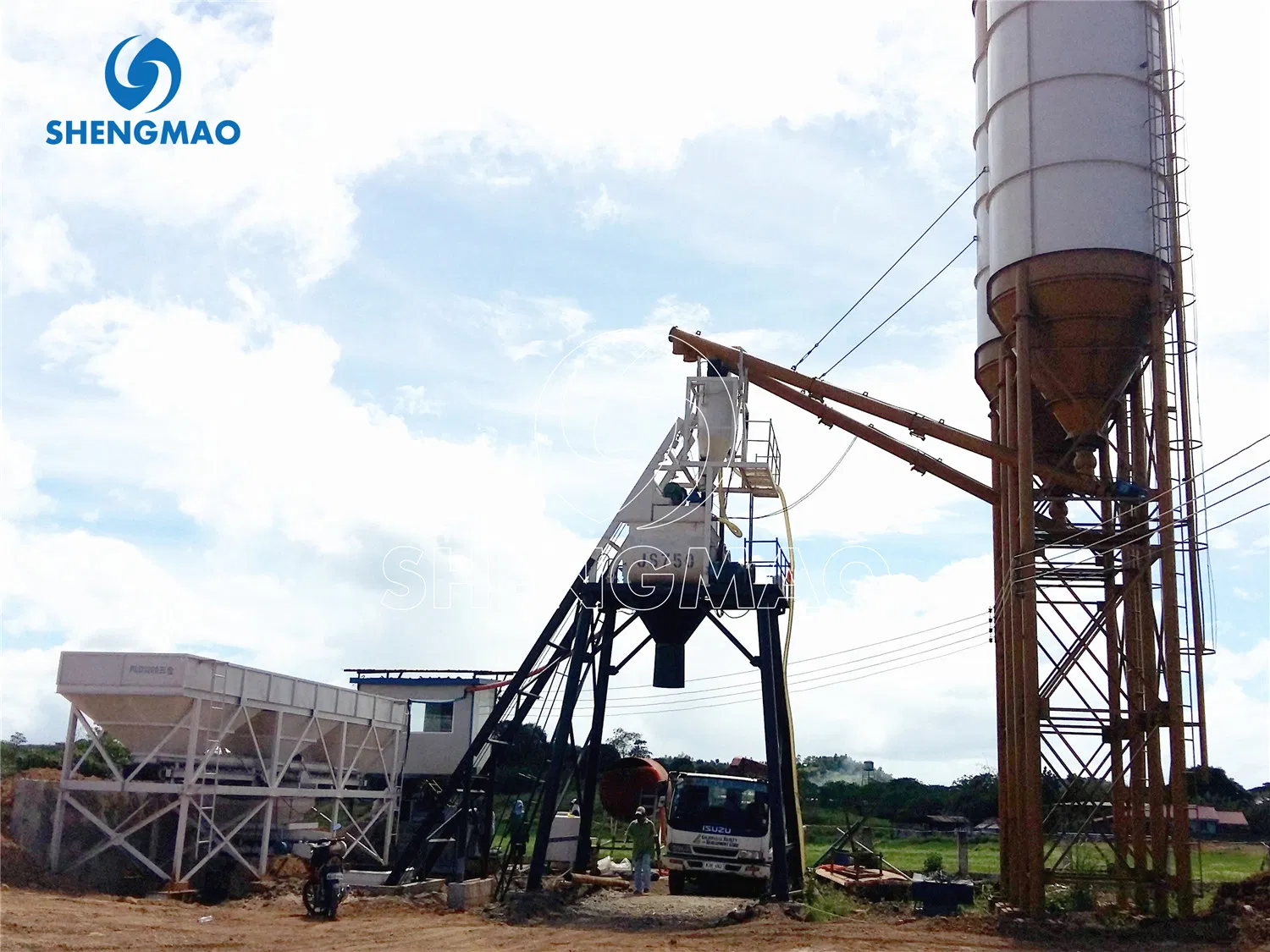
Skip hoist type concrete batching plant
Model HZS25 HZS35 HZS50 HZS75
Production capacity (m3/h) 25 35 50 75
Concrete mixer JS500 JS750 JS1000 JS1500
Aggregate feeding mode Skip hoist Skip hoist Skip hoist Skip hoist
Discharging height(m) 3.8 3.8 4.1 4.1
Total power (Kw) 65 75 100 110
Control system Panel Computer Computer Computer
Skip hoist type concrete batching plant
Skip hoist type features:
  • Cost-saving
  • Easy to install
  • Easy to move to other jobsites
  • Labour saving
Belt conveyor type concrete batching plant
Model HZS60 HZS90 HZS120 HZS180
Production capacity (m3/h) 60 90 120 180
Concrete mixer JS1000 JS1500 JS2000 JS3000
Aggregate feeding mode Belt conveyor Belt conveyor Belt conveyor Belt conveyor
Total power (Kw) 110 156 200 260
Control system Computer Computer Computer Computer
Belt conveyor type concrete batching plant
Belt conveyor type features:
  • Higher production efficiency
  • More environment-friendly
  • Higher quality of concrete
D

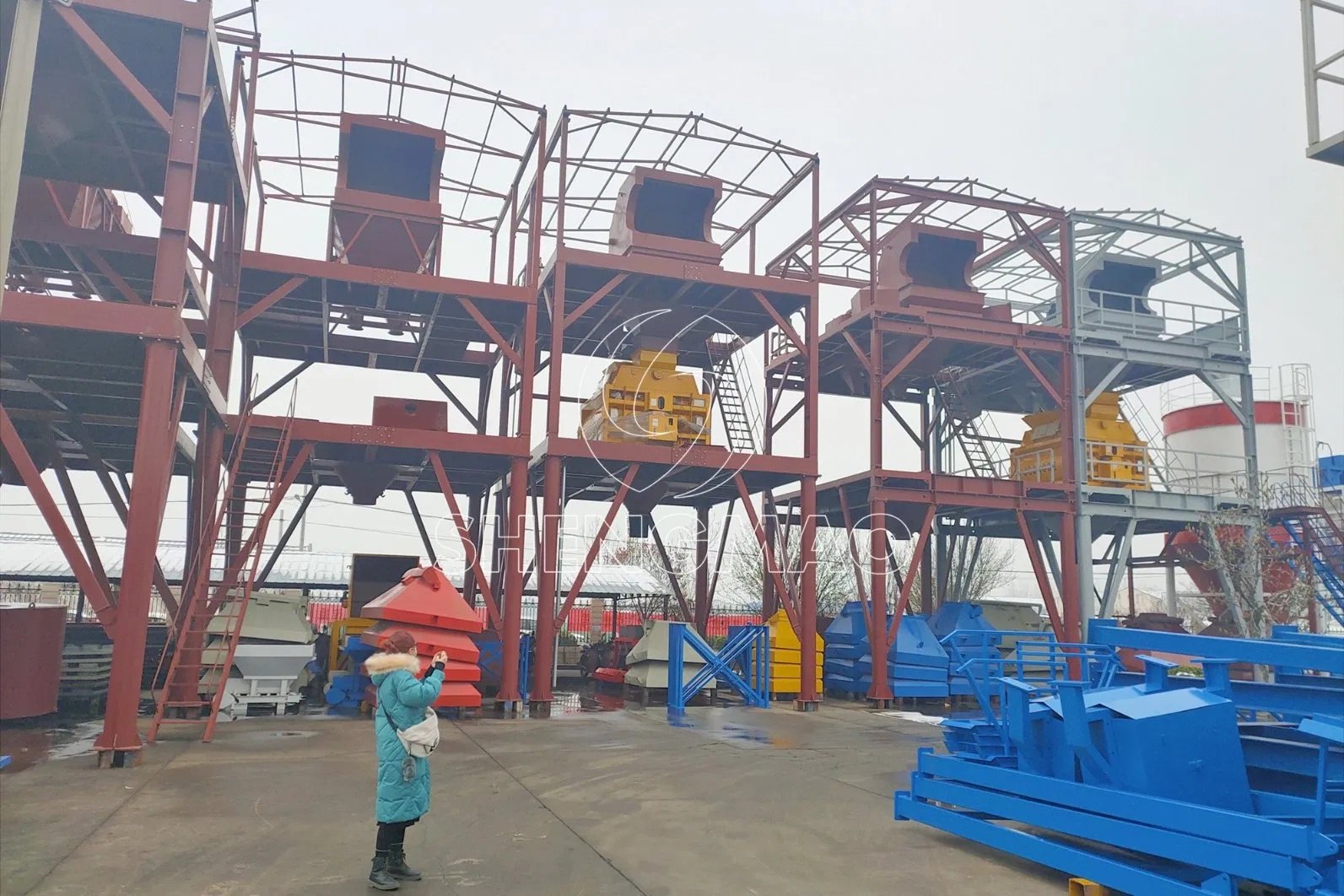
Detailed Images

Detail 1
Detail 2
Detail 3
Detail 4
Detail 5
Detail 6
Detail 7
Detail 8
S

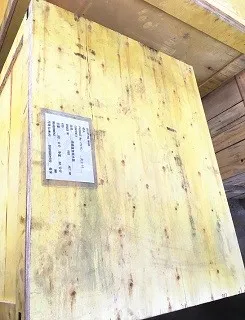
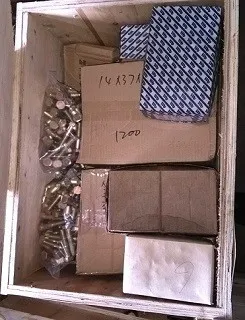
Packing & Shipping

Shipping 1
Shipping 2
Shipping 3
A

After Sales Service

After Sales Service
  • Provide 7 * 24 hours online after-sales service every week
  • Provide relevant certificates, customs clearance documents, operation and maintenance instructions, installation videos etc.
  • Dispatch after-sales engineers to install and commission equipment abroad, and provide free training for operators and maintenance personnel
  • Establish a complete customer profile, regular inspections, regular visits, free maintenance services and technical improvements
  • Equipped with a spare parts warehouse to guarantee fast supply of all accessories. During the warranty period, parts for equipment damage are provided without fees.
R

Recommend Products

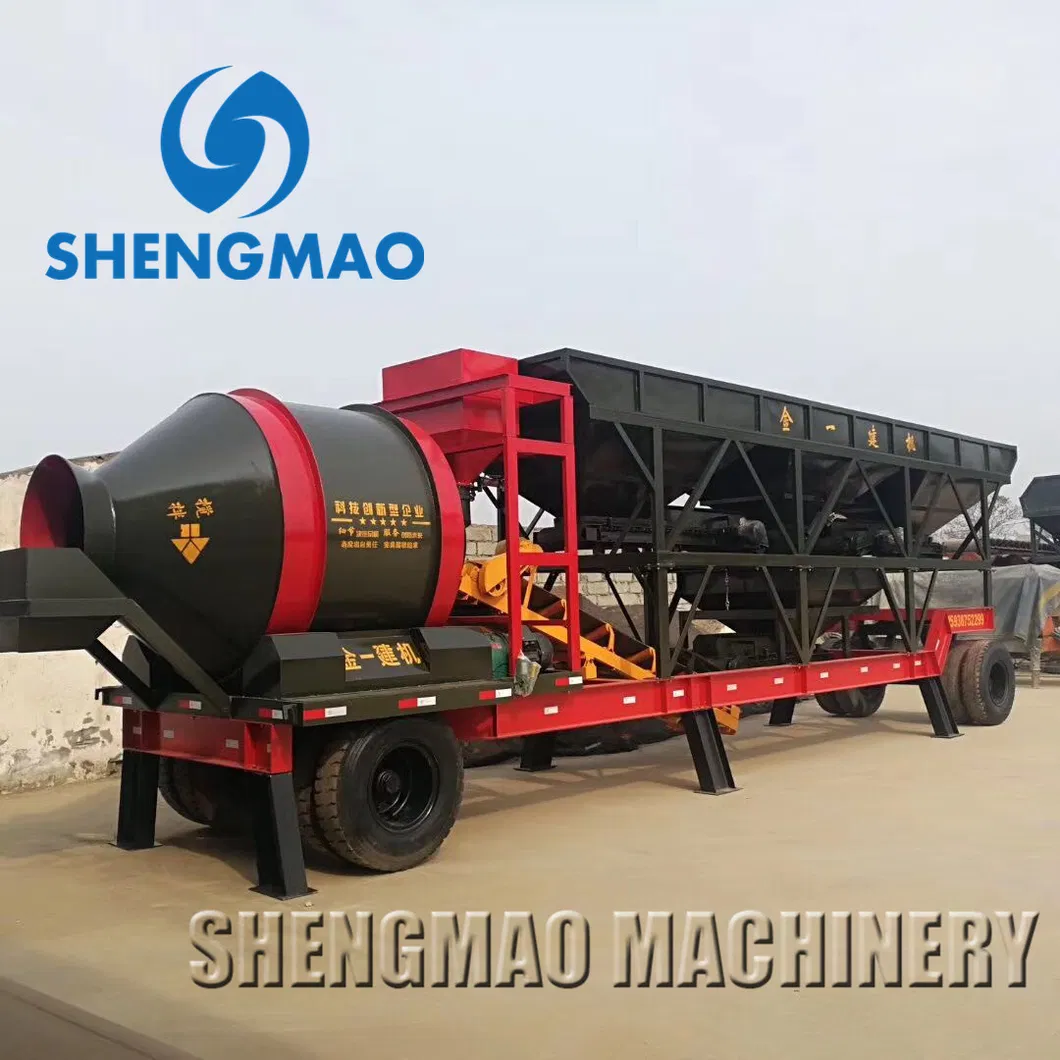
Mobile concrete batching plant

Mobile Concrete Batching Plant
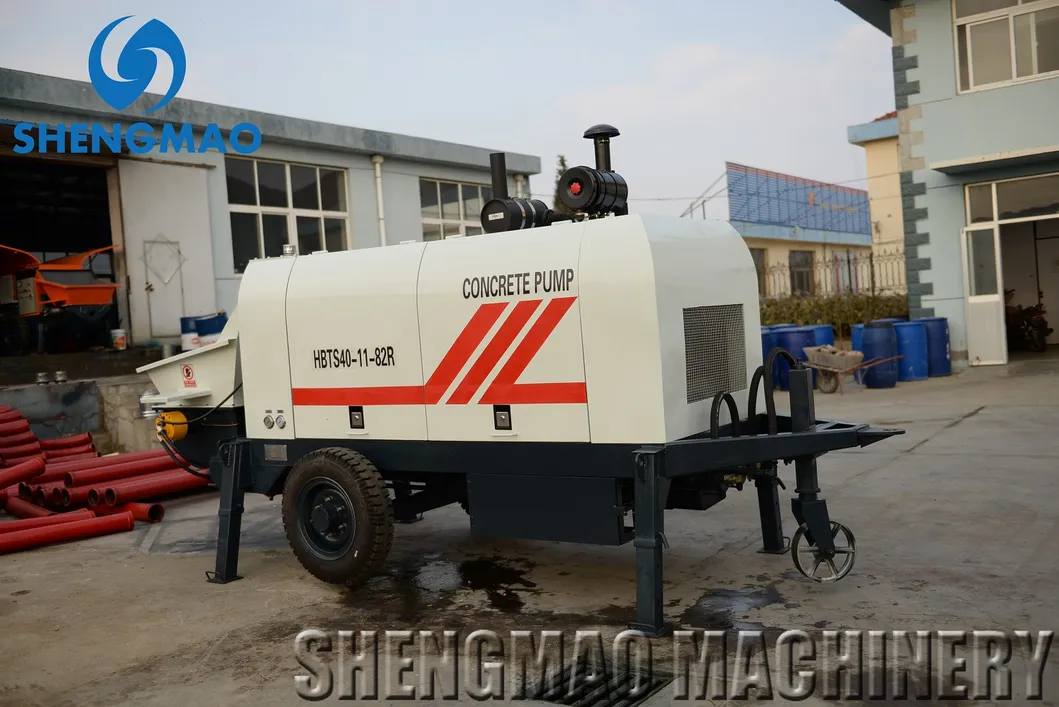
Concrete pump

Concrete Pump

?

Frequently Asked Questions

Q1: What are the main types of stationary concrete batching plants available?
A: There are two main types based on aggregate feeding: Skip hoist type (capacity 25-75 m3/h) and Belt conveyor type (capacity 60-240 m3/h).
Q2: What are the advantages of the skip hoist type plant?
A: Skip hoist plants are cost-saving, easy to install, easy to move between jobsites, and require less labor.
Q3: Why choose a belt conveyor type batching plant?
A: It offers higher production efficiency, is more environmentally friendly, and ensures a higher quality of concrete production.
Q4: What kind of after-sales support do you provide for international customers?
A: We provide 7/24 online support, dispatch engineers for overseas installation and commissioning, and offer free training for your operators.
Q5: How are the spare parts handled during the warranty period?
A: We maintain a spare parts warehouse for fast supply. During the warranty period, parts required due to equipment damage are provided by the company at no extra cost to the customer.
Q6: What is the typical production capacity of these plants?
A: Depending on the model, production capacity ranges from 25 m3/h for smaller projects to 180 m3/h or more for large-scale infrastructure.

Related Products