Types
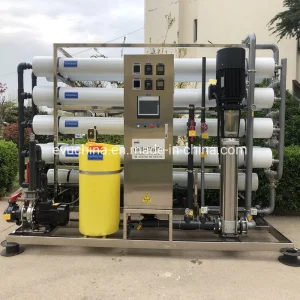
Hydrogen separation equipment
Working principle
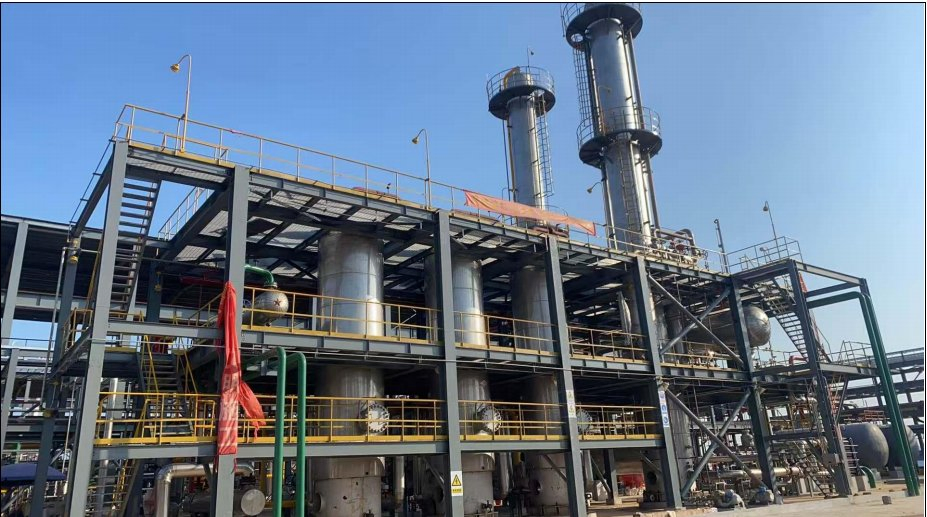
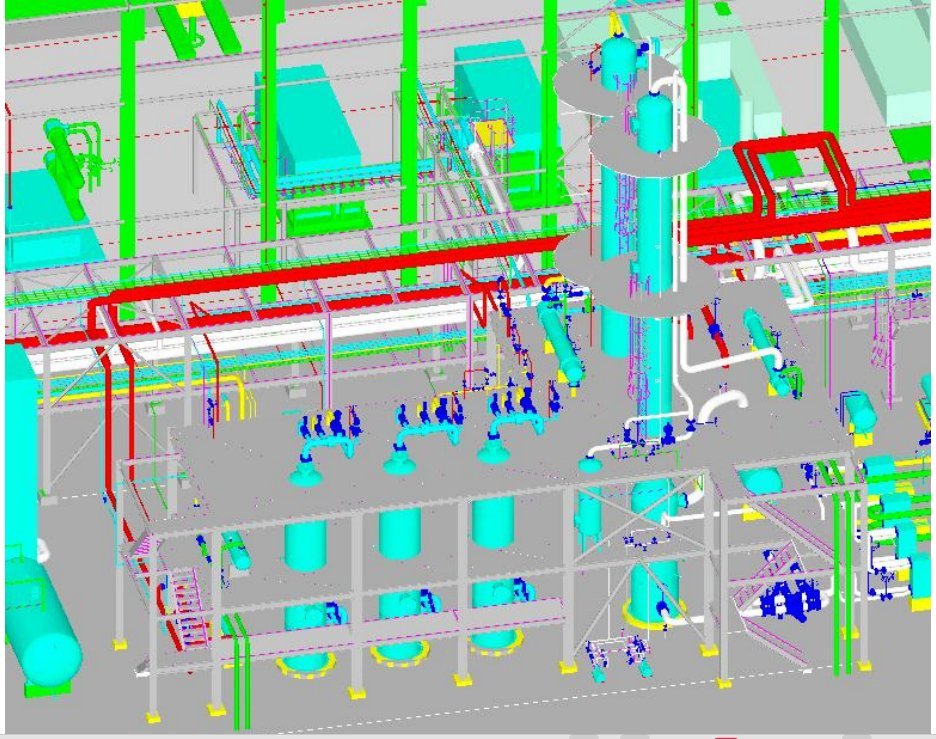
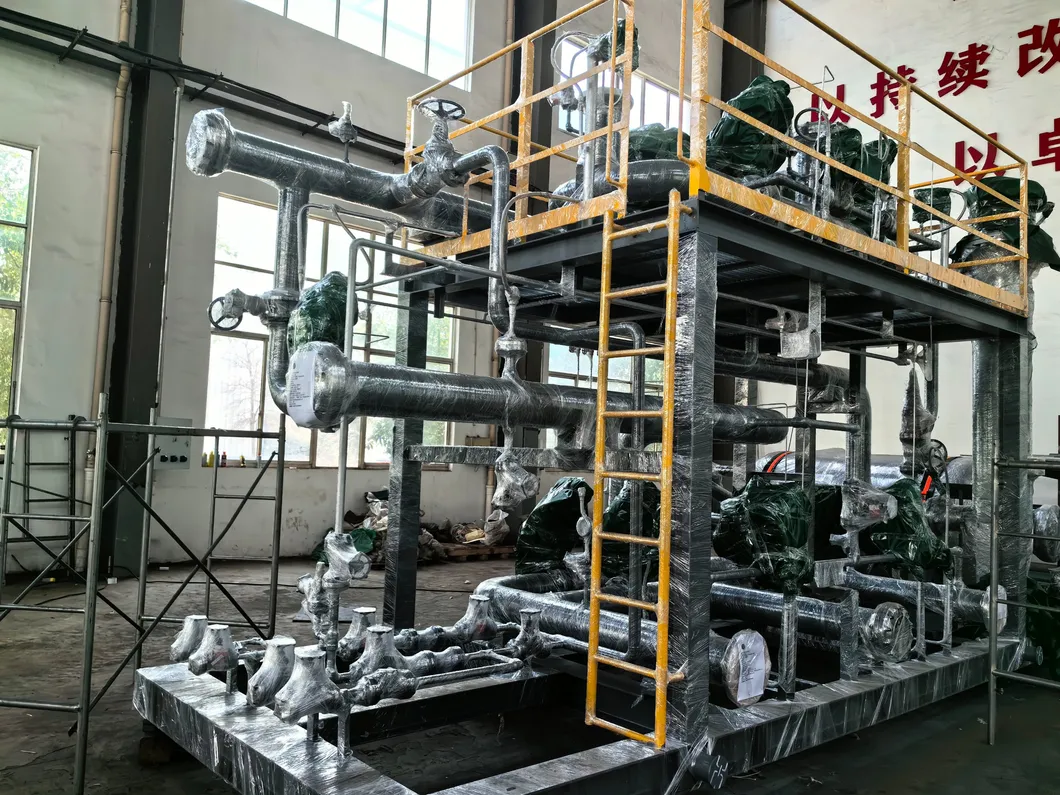
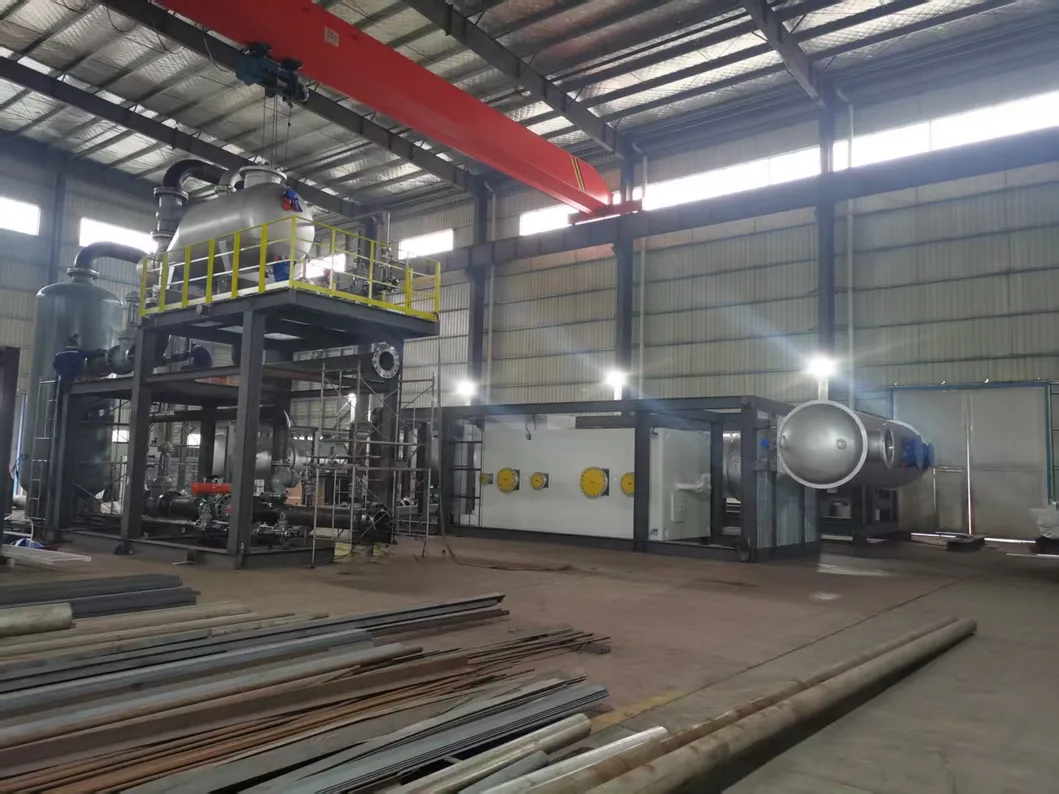
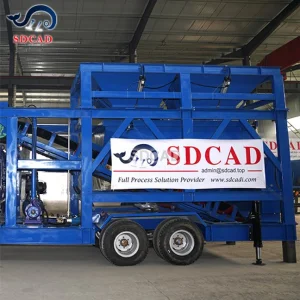
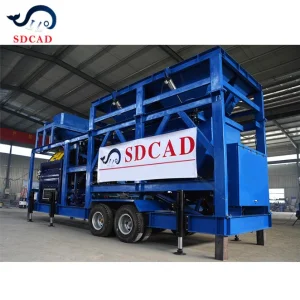
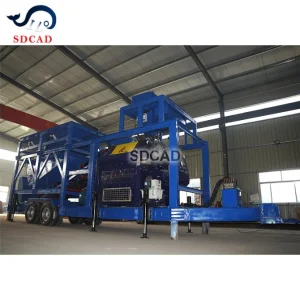
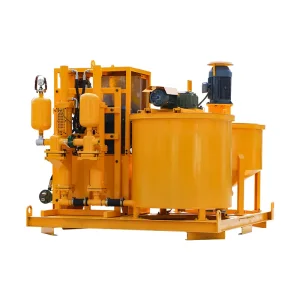
Oil and Gas Liquefaction Skid-Mounted Devices
Specification
100,000-3,000,000 square meters
Production Capacity
10X104 Nm3
Our Process
The process of natural gas liquefaction involves the following steps:
01
Pretreatment
The natural gas is first cleaned to remove impurities like water, CO2, and H2S. This process is essential as these impurities can freeze and block the pipelines and equipment.
02
Compression
The gas is then compressed to increase its pressure. The compression reduces the volume of the gas, making it easier to transport.
03
Cooling
The compressed gas is cooled to very low temperatures using a refrigeration system. This process cools the gas until it turns into a liquid.
04
Storage
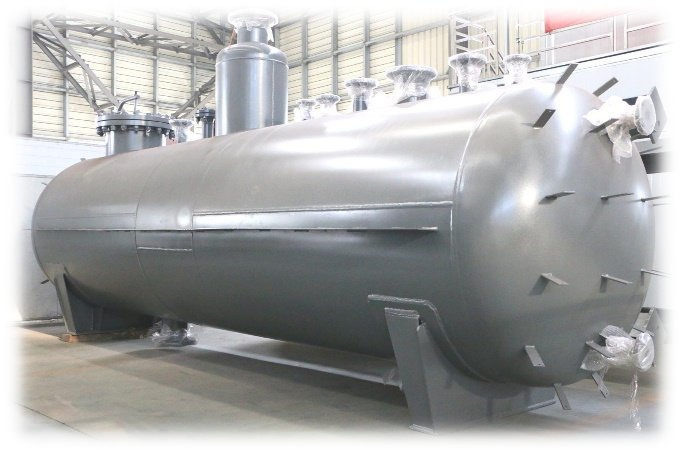
The liquefied natural gas (LNG) is then stored in large tanks at very low temperature (-162ºC) until it is ready to be transported.
05
Transport
LNG can be transported through various methods, including tanker ships, trucks, and pipelines. During transportation, the LNG is kept at very low temperatures to prevent it from returning to its gaseous state.
06
Regasification
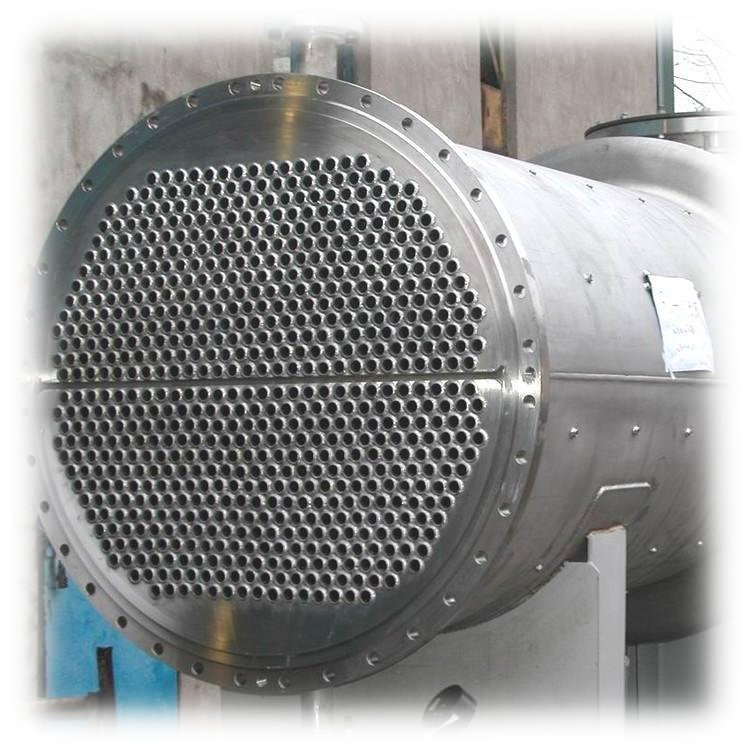
Finally, when the LNG reaches its destination, it is warmed using heat exchangers, converting it back into natural gas which can be distributed through pipelines to businesses and consumers.
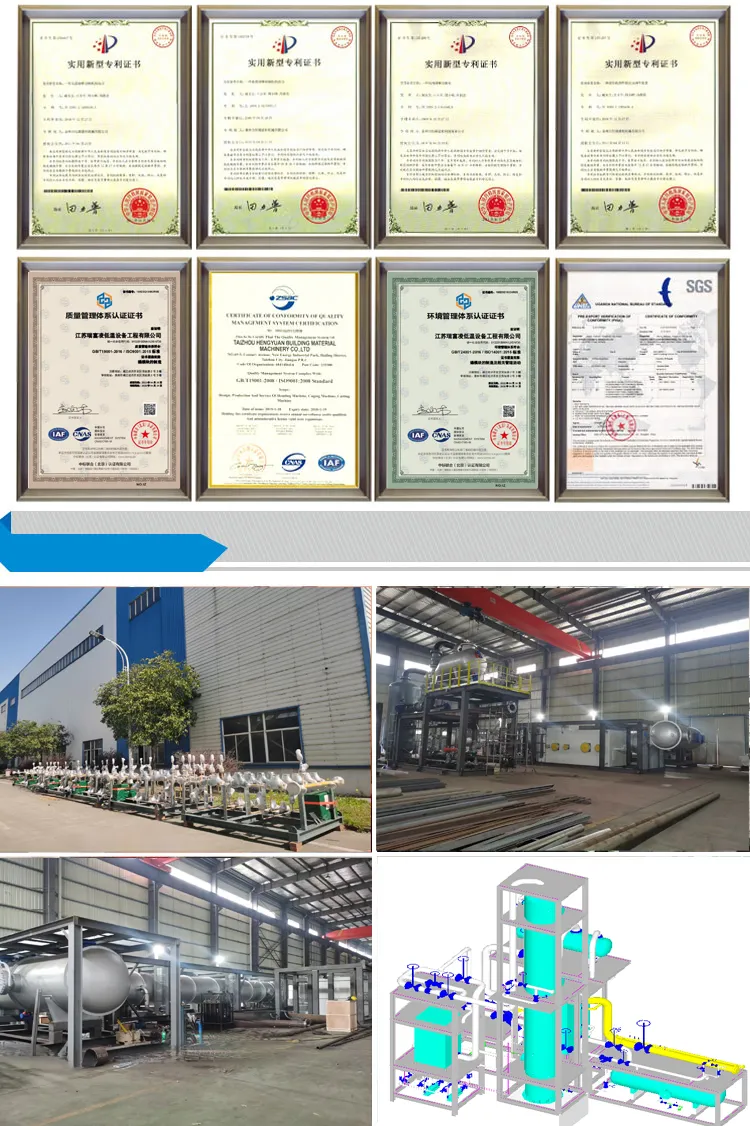
We are manufacturers of cage welding machine (concrete pile, pole, pipe), centrifugal spinning machine, concrete mould (pile, pole, pipe), ring bending machine, heading machine, endplate, tension jack for pre-stress, feeding machine for different capacity welding machine, steel wire processing machine etc. We also can supply setting up a new factory full line service.
❓ Frequently Asked Questions
What are the primary stages of natural gas liquefaction?
The process includes six main stages: Pretreatment (cleaning), Compression (increasing pressure), Cooling (liquefaction), Storage (at -162ºC), Transport, and Regasification (converting back to gas).
Why is pretreatment necessary in the LNG process?
Pretreatment removes impurities such as water, CO2, and H2S. This is critical because these substances can freeze at the low temperatures required for liquefaction, which would block pipelines and damage equipment.
How is LNG stored and transported safely?
LNG is stored in specialized large tanks at a constant temperature of -162ºC. During transport via tanker ships, trucks, or pipelines, it is maintained at these cryogenic temperatures to ensure it remains in a liquid state.
What types of concrete machinery do you manufacture?
We specialize in cage welding machines, centrifugal spinning machines, concrete moulds for piles and pipes, ring bending machines, heading machines, and tension jacks for pre-stress applications.
Do you provide support for establishing new production facilities?
Yes, we offer full-line services for setting up new factories, including the supply of all necessary machinery and technical concern for concrete pile, pole, and pipe production.
What is the production capacity of the liquefaction equipment?
The equipment features a production capacity of 10X104 Nm3, designed for efficient oil and gas liquefaction in skid-mounted configurations.
 Cloverdyn Plant