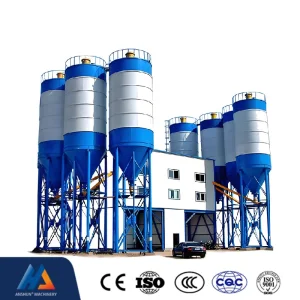
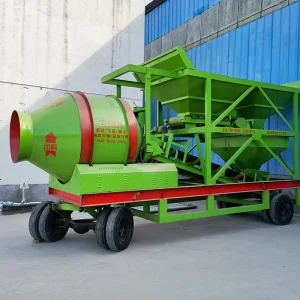
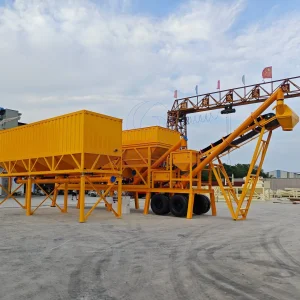
Hzs75 Concrete Mixer Manufacturing Plant Portable Concrete Batch Plants for Sale

Still deciding? Get samples of $ !
Order Sample

Product Description

Basic Info.
Type
Concrete Mixing Plant
Shotcrete Type
Wet
Machining Process
Welded Molding Machine
Productivity
25-180m3/H
Certification
ISO9001: 2000
Condition
New
Color
Customized
Product Name
Stationary Concrete Mixing Plant
Model
Hzs25/35/50/75/90/120/180
Mixer Model
Js500/750/1000/1500/2000/3000
Mixer Drive Power
18.5~2X55kw
Max. Feed Material Size
80mm
Discharge Height
3.8m/4m/4.2m
Total Power
35~190kw
Weight
20000kg
Power Type
Electric
Working Cycle
60s
Feeding Mode
Belt Conveyor
Product Description

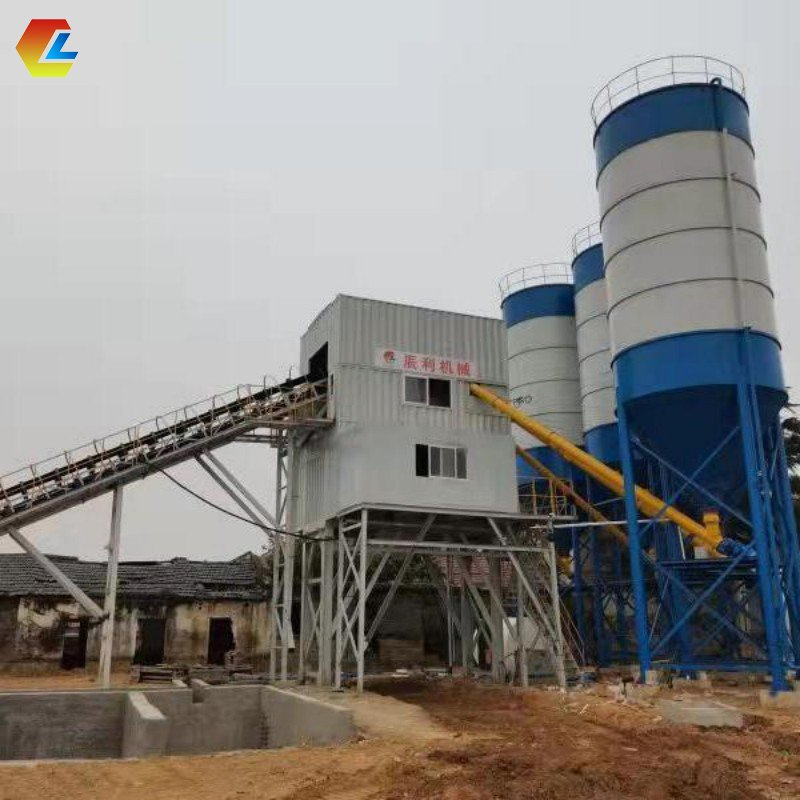
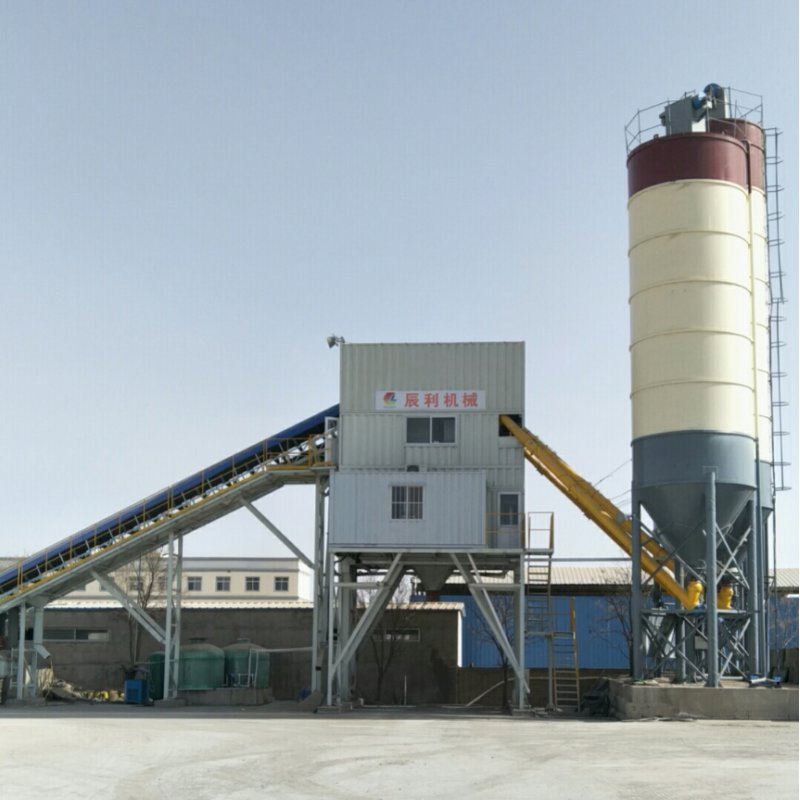
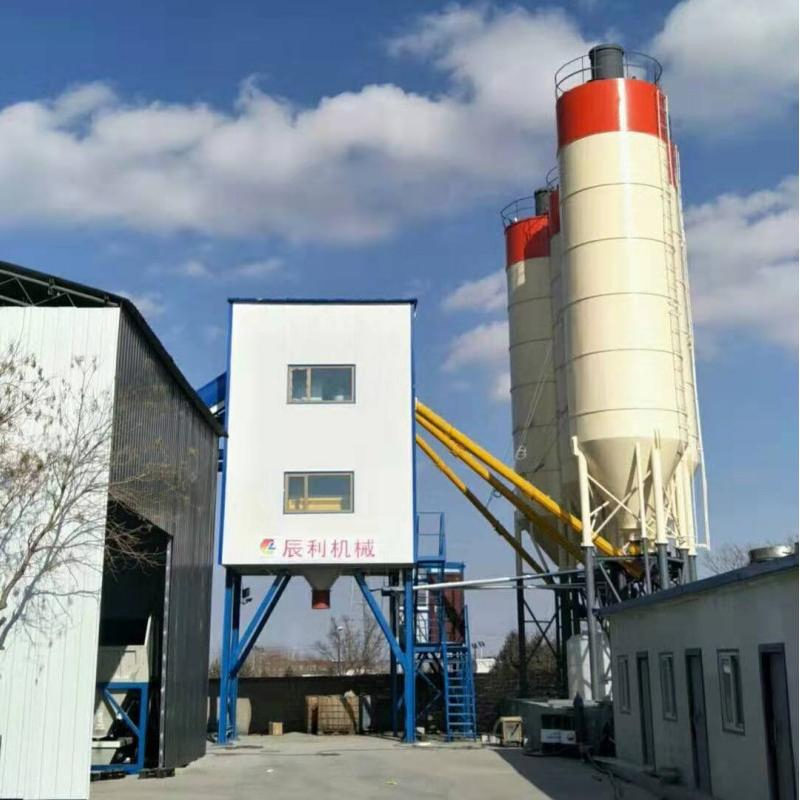
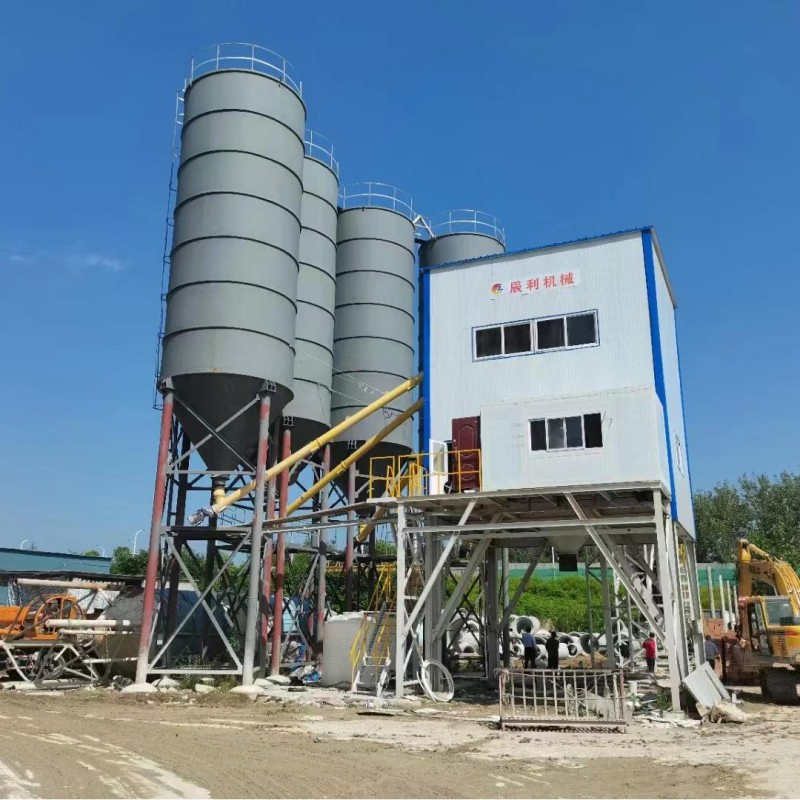
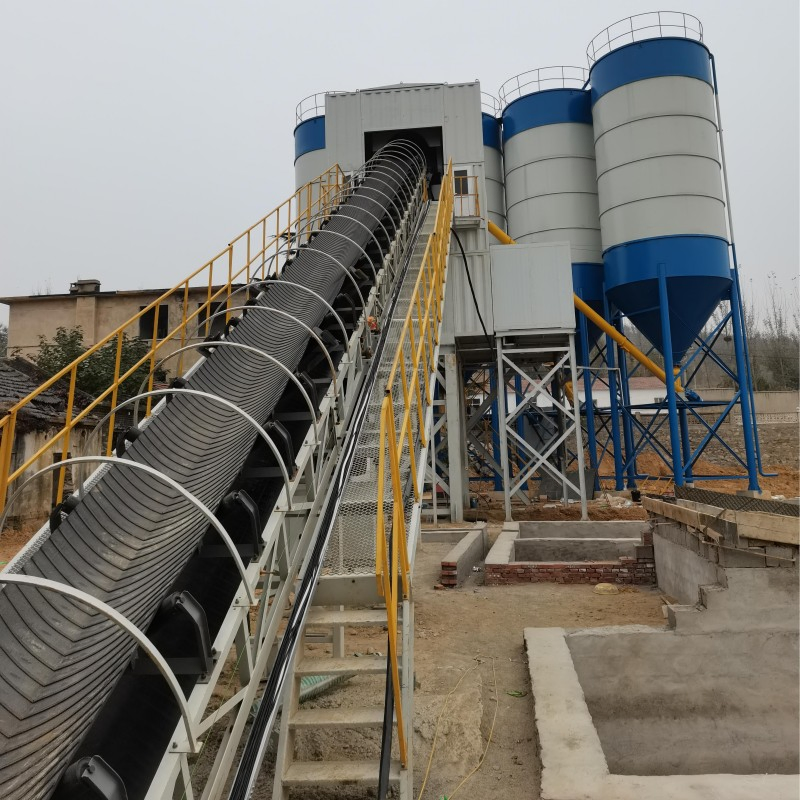
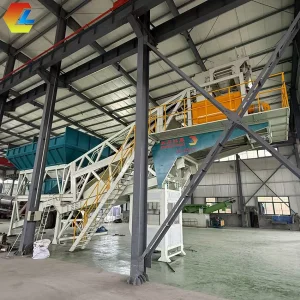
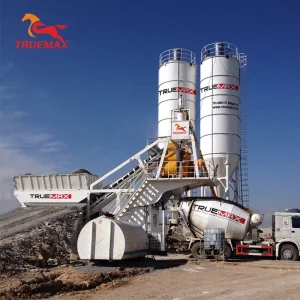
Concrete batching plants with cement silos, also known as a batch plant, is equipment that combines various ingredients to form concrete. Some of these inputs include water, air, admixtures, sand, aggregate (rocks, gravel, etc.), fly ash, silica fume, slag, and cement.

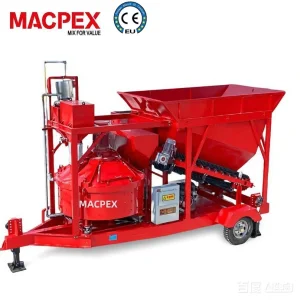
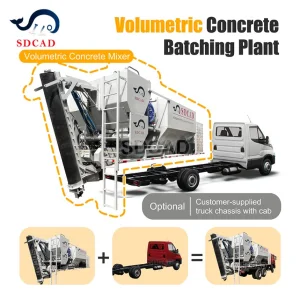
A concrete batching plants with cement silos can have a variety of parts and accessories, including: mixers (either tilt drum or horizontal, or in some cases both), cement batchers, aggregate batchers, conveyors, radial stackers, aggregate bins, cement bins, heaters, chillers, cement silos, batch plant controls, and dust collectors.

There are five major systems of the concrete batching plants with cement silos: mixing host, material weighing system, material conveying system, material storage system, control system and other ancillary facilities.
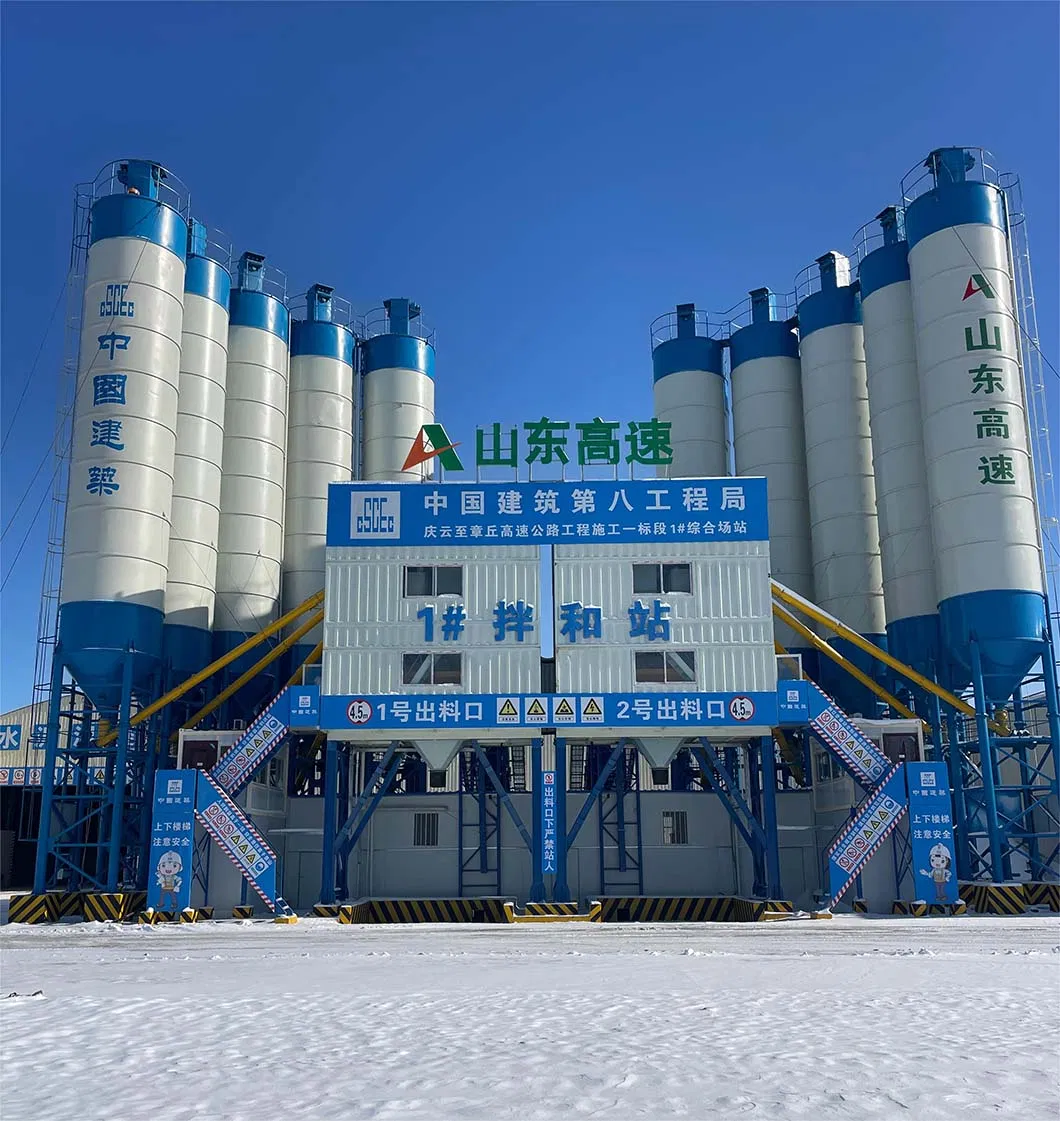
Concrete Mixer Manufacturing Plant
Components & Structure
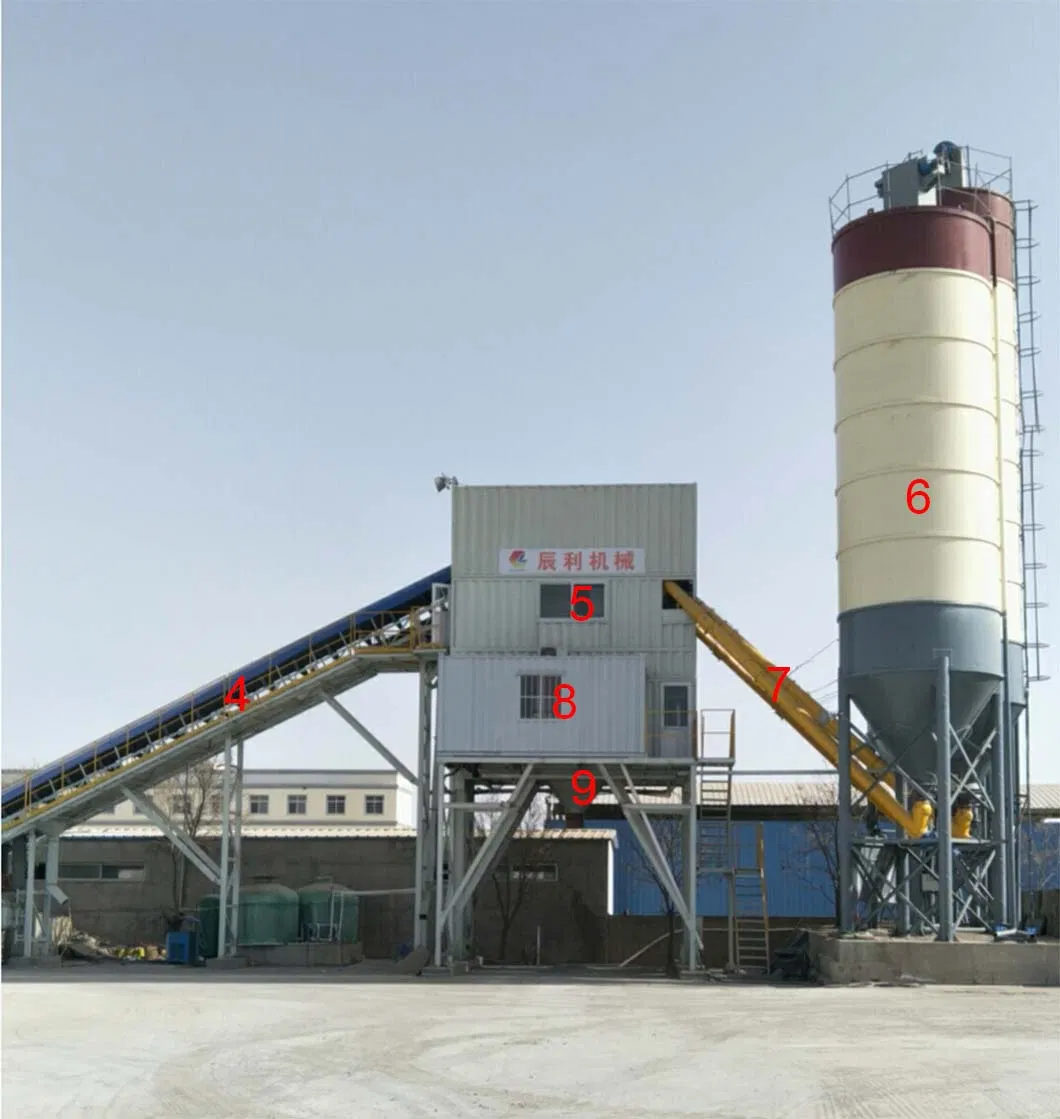
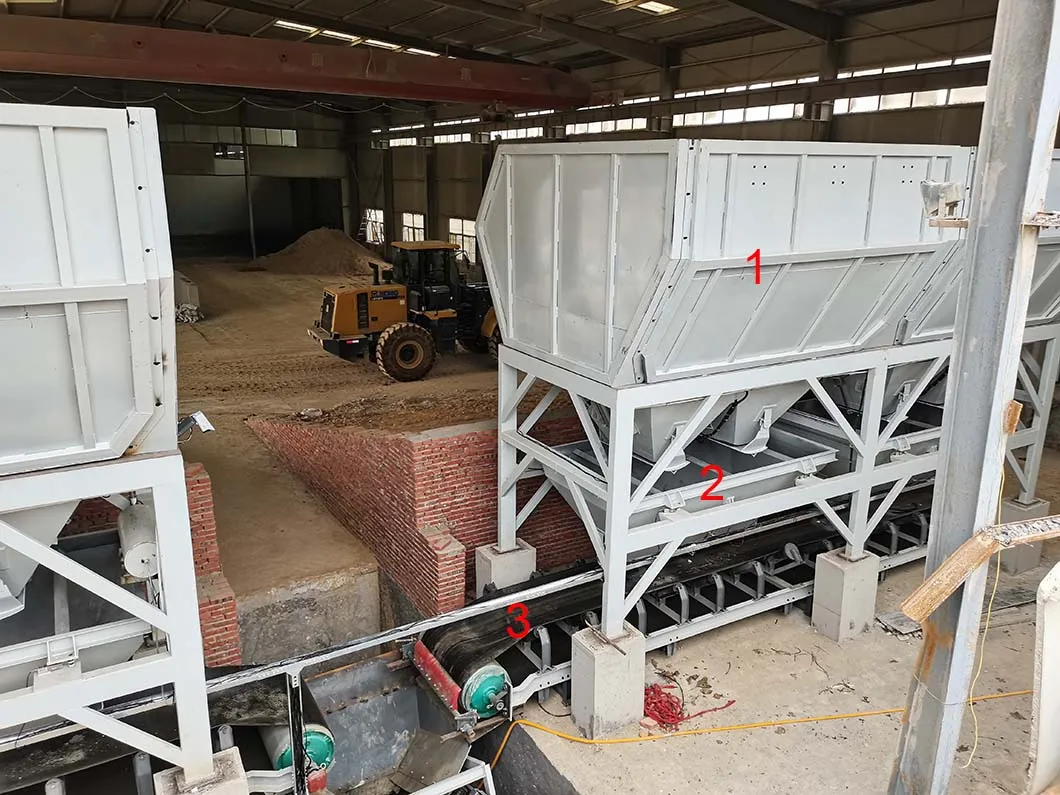
Component View 1
Component View 2
1. Batching bin
2. Aggregate weighing scale
3. Flat belt conveyor
4. Inclined belt conveyor
5. Aggregate storage warehouse & mixing machine
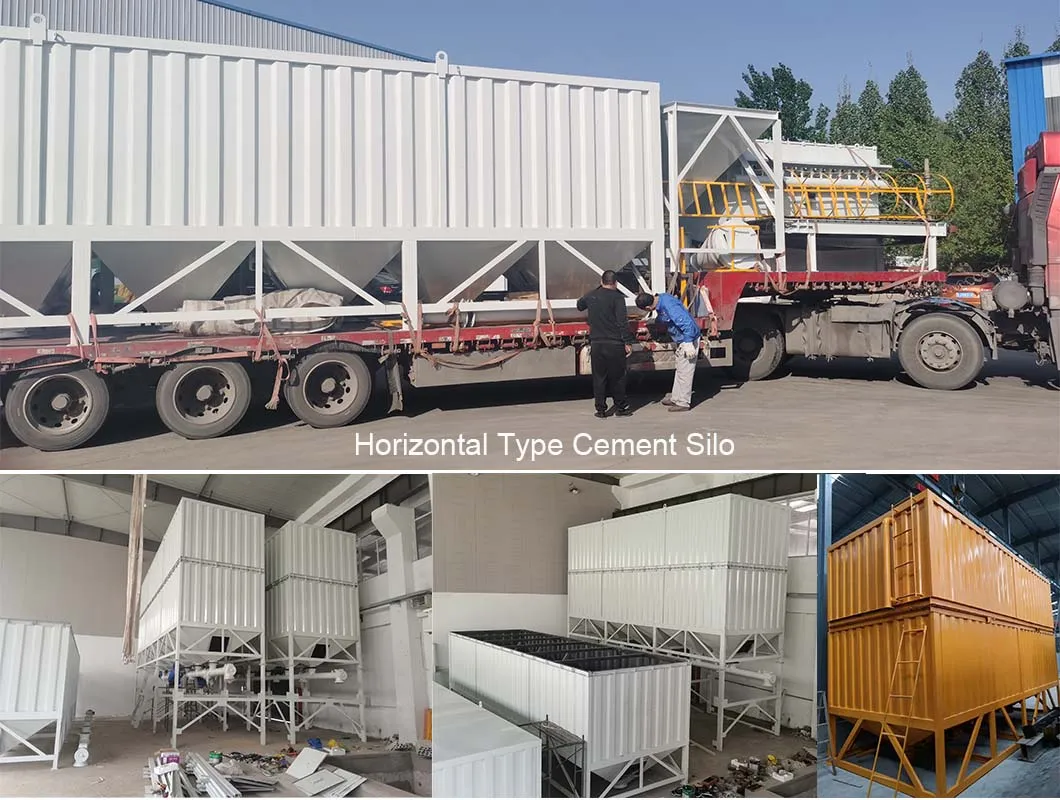
6. Powder silo
7. Screw conveyor
8. Control room
9. Discharge port
Working Principle

The aggregates are discharged into the measuring hopper for measurement. After measurement, the aggregates are discharged onto the running flat belt and sent to the inclined belt conveyor. The inclined belt conveyor transports the aggregates to the storage warehouse on the mixer to wait for instructions.

At the same time, cement and fly ash are transported to their respective metering hoppers by screw conveyors for weighing, and water and admixtures are sent to their respective metering hoppers for weighing by water pumps. After weighing, materials are put into the mixer in turn for mixing. After completion, the discharge port opens, discharging concrete into the transport mixer.
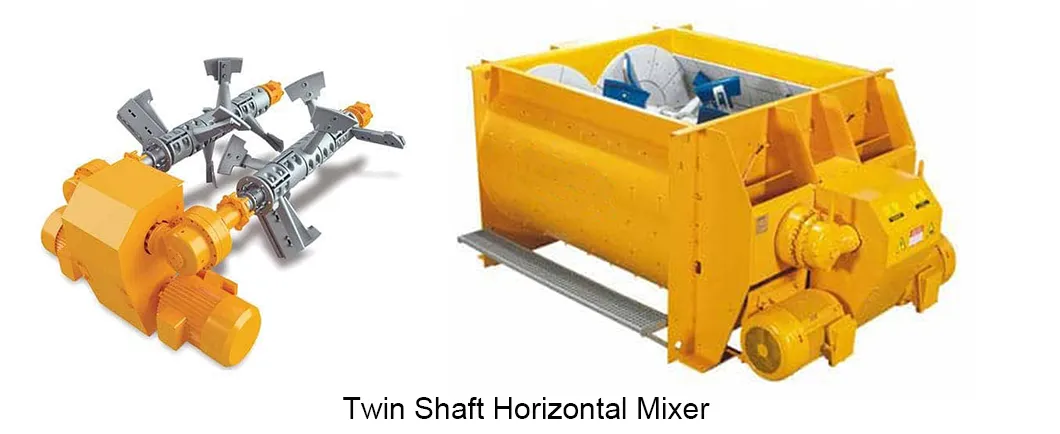
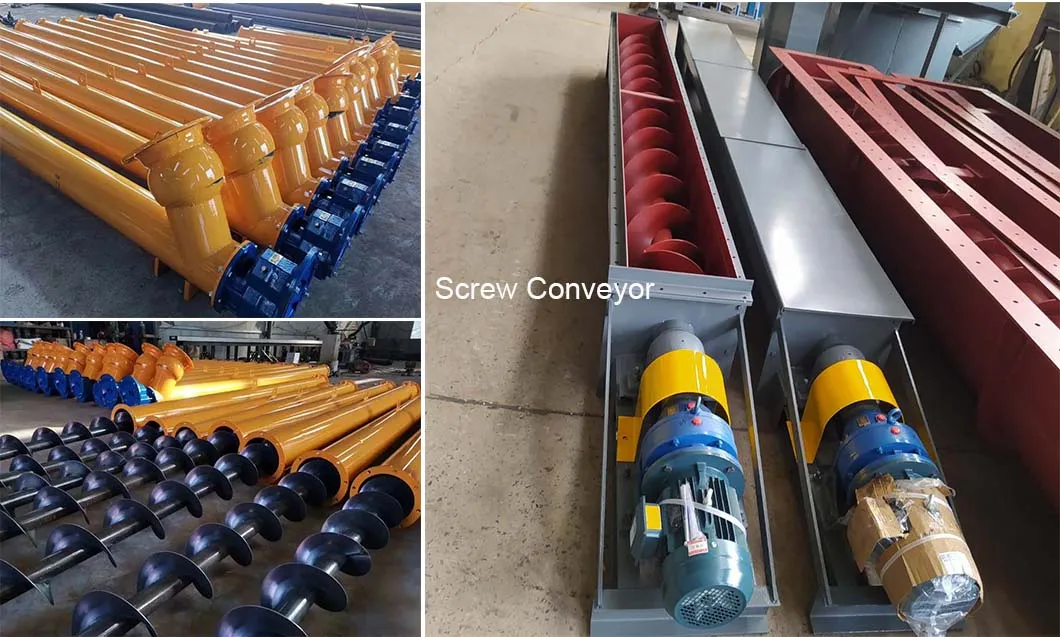
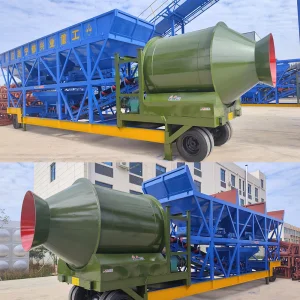
Related Equipment 1
Related Equipment 2
Related Equipment 3
Technical Configuration
Model HZS25 HZS35 HZS50 HZS75 HZS90 HZS120 HZS180
Theoretical Productivity(m3/h) 25 35 50 75 90 120 180
Mixer Model JS500 JS750 JS1000 JS1500 JS1500 JS2000 JS3000
Drive power(kw) 18.5 30 2x18.5 2x30 2x30 2x37 2x55
Max. feeding size(mm) 80 80 80 80 80 80 80
Discharge Height(mm) 3800 3800 3800 3800 4000 4200 4200
Total Power(kw) 35 55 75 110 110 145 190
Application

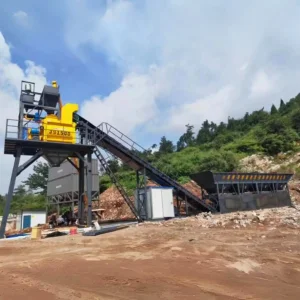
Stationary concrete batching plants are centralized mixing devices used in large and medium-sized engineering construction such as water conservancy, electric power, and bridges. It is ideal for high-volume concrete projects with long construction periods and concentrated sites. It promotes pumping construction and realizes the combined operation of mixing, conveying, and pouring machinery.
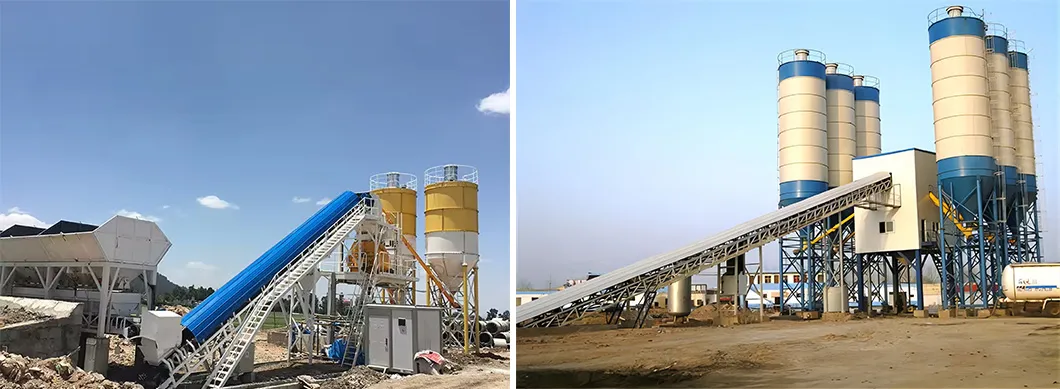
Site Application
Application view
Packaging & Shipping

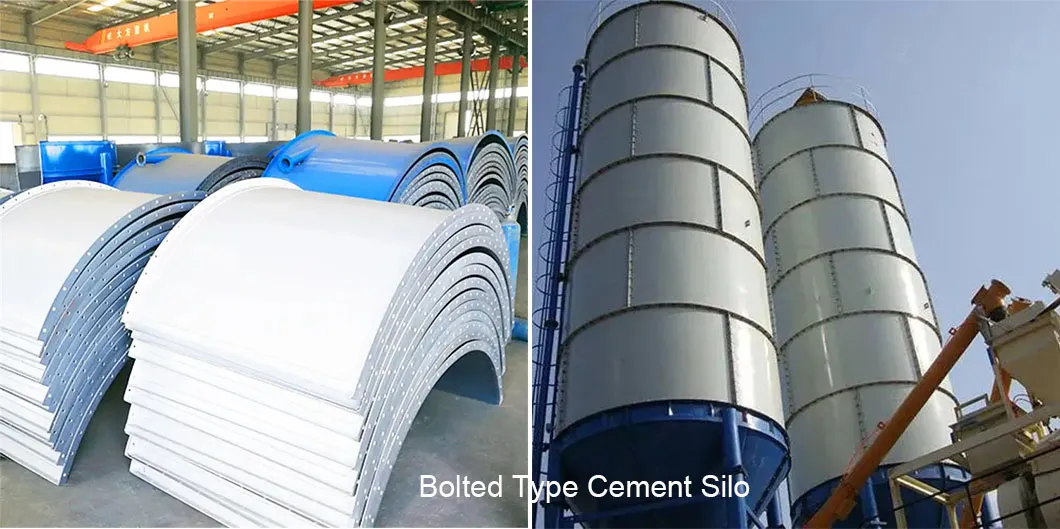
The equipment features an overall modular design with a simple and compact structure, making it highly suitable for container transportation and fast site installation.
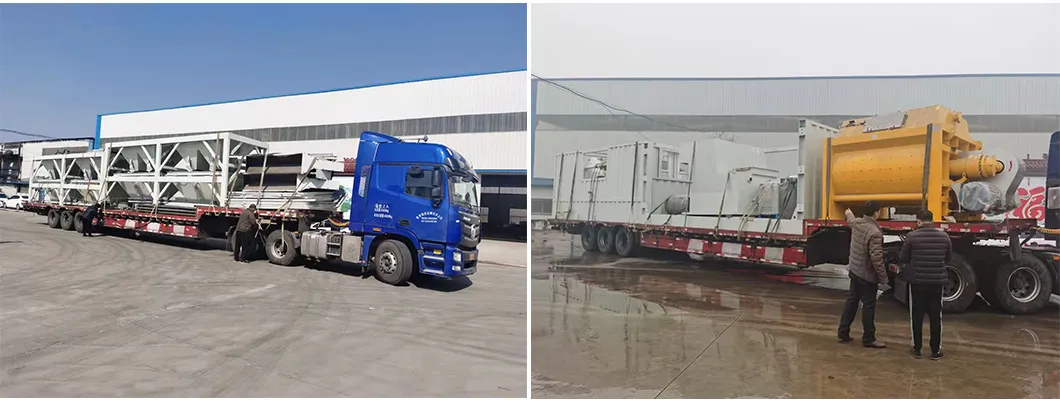
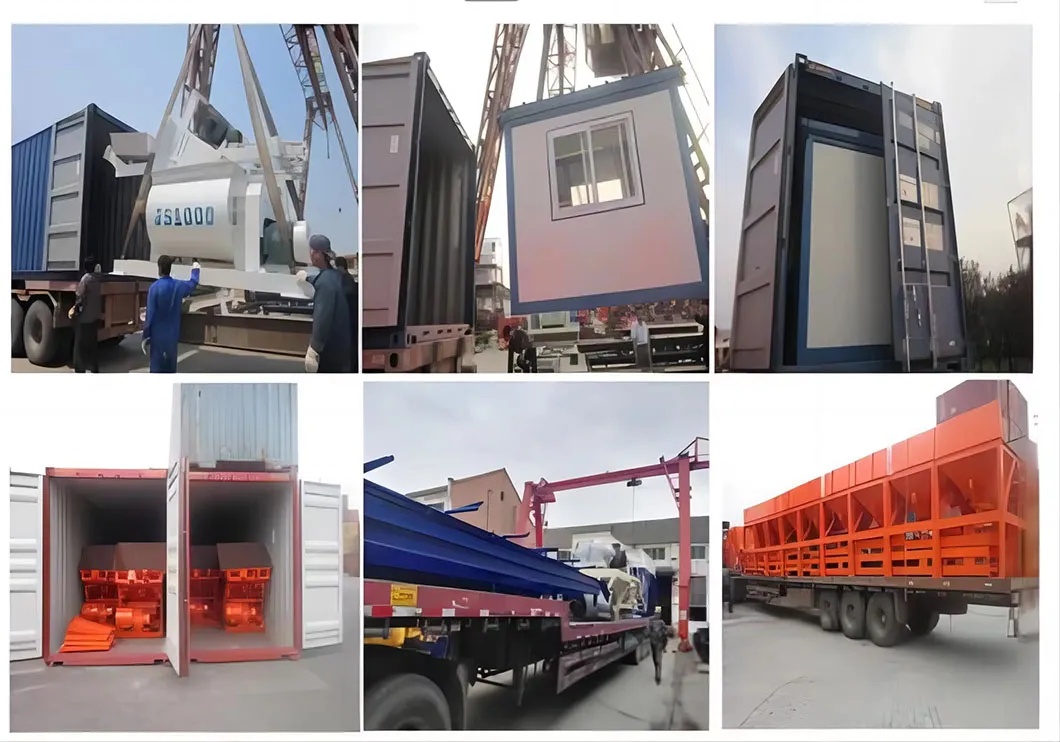
Shipping Packing 1
Shipping Packing 2
Workshop & Exhibition

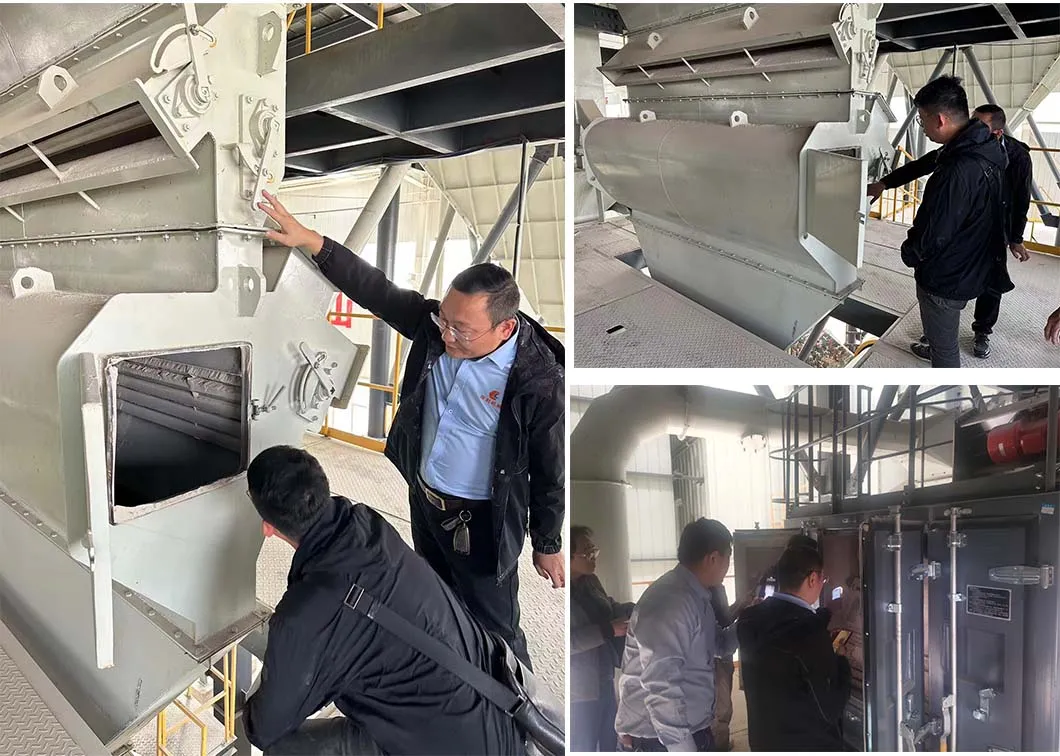
Based on a deep understanding of building intelligent equipment, we are committed to providing users with practical, efficient, low-carbon, and environmentally friendly products. Our leading products include small concrete batching plants, mortar production lines, and tower type sand making machines.
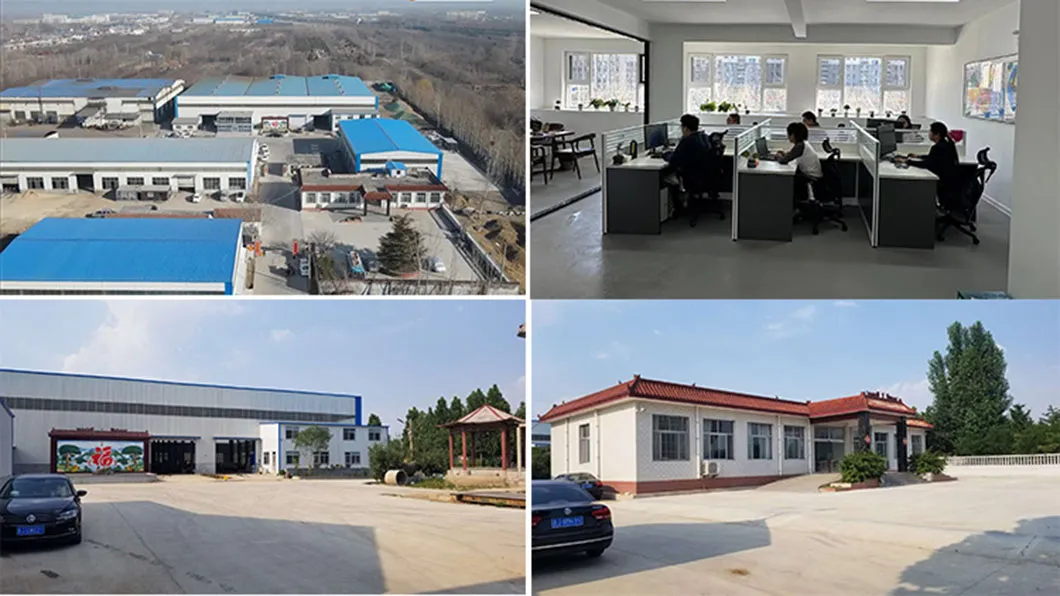
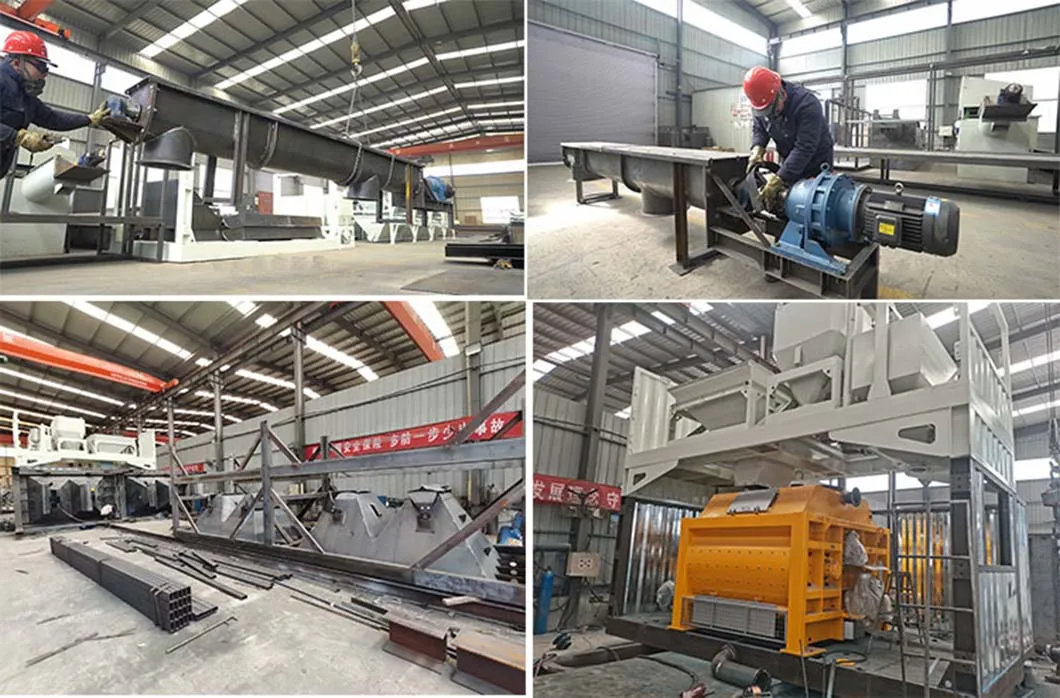
Workshop view
Factory view
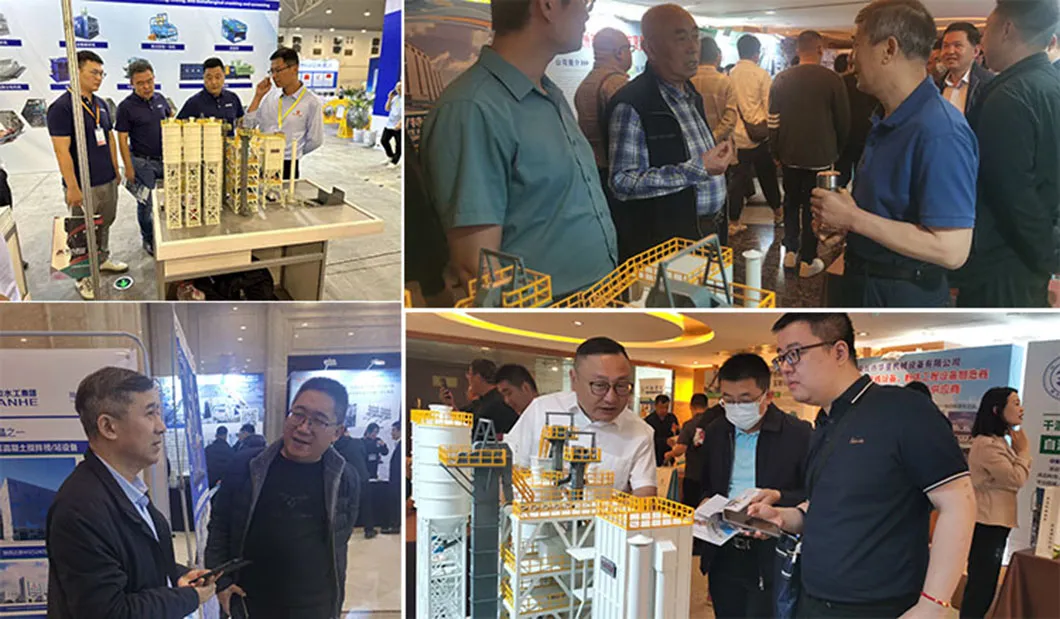
Exhibition
Customer Visit
Frequently Asked Questions
What is the theoretical productivity of your batching plants?
Our HZS series offers a wide range of productivity levels, from the small HZS25 (25m³/h) to the large-scale HZS180 (180m³/h), meeting various project requirements.
What types of mixers are used in the plants?
We typically utilize JS series twin-shaft horizontal or vertical planetary mixers, known for their high efficiency and uniform mixing quality.
Is the batching plant easy to transport and install?
Yes, the entire plant features a modular design. This compact structure is specifically designed for standard container transportation and allows for faster assembly on-site.
What materials can be processed by these batching plants?
The plants can combine water, air, admixtures, sand, aggregate (gravel/rocks up to 80mm), fly ash, and cement to produce various grades of concrete.
In which construction projects are these plants mostly used?
They are ideal for large-scale infrastructure projects including road construction, bridges, water conservancy, electric power projects, and commercial concrete supply.
What are the main systems included in the batching plant?
It consists of five major systems: the mixing host, material weighing system, material conveying system, material storage system (silos/bins), and an advanced control system.

Related Products