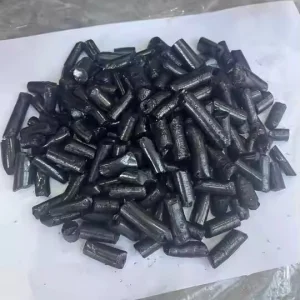
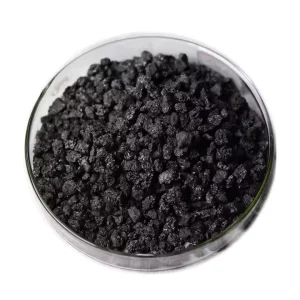
🛠️ Product Description
| Usage |
Application |
Detail |
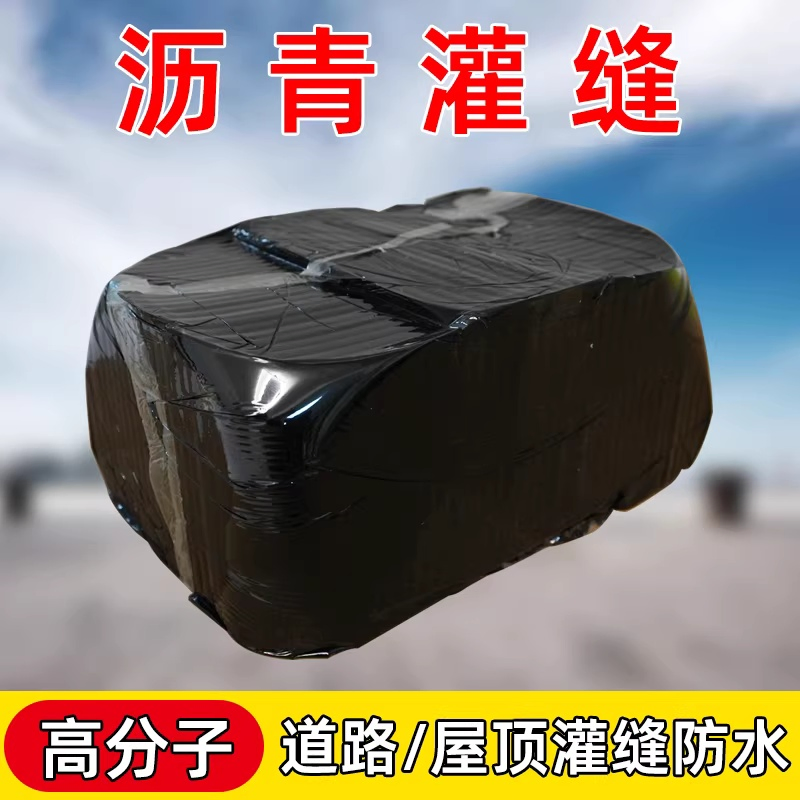
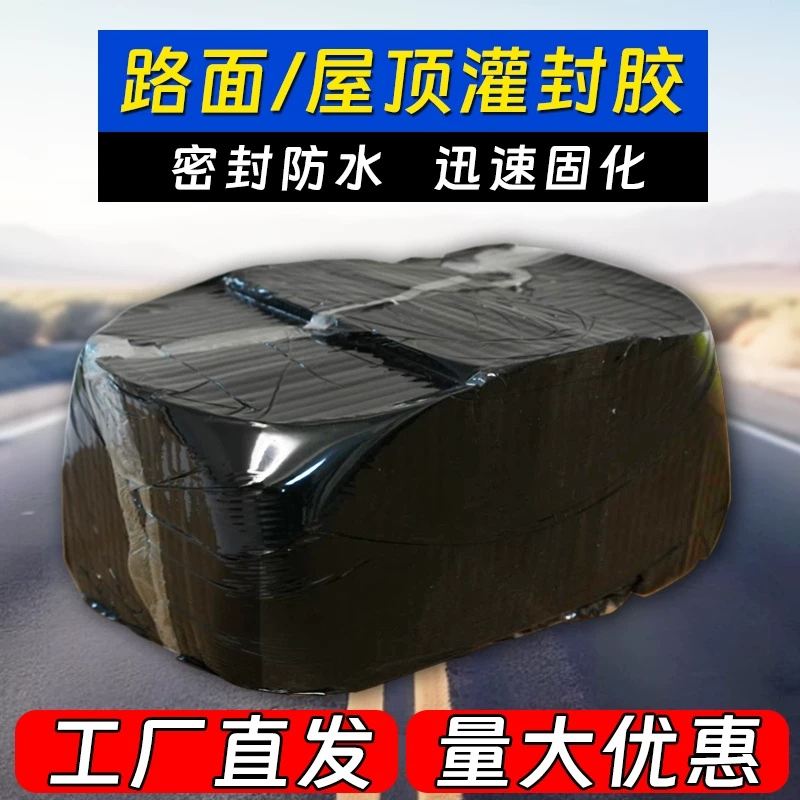
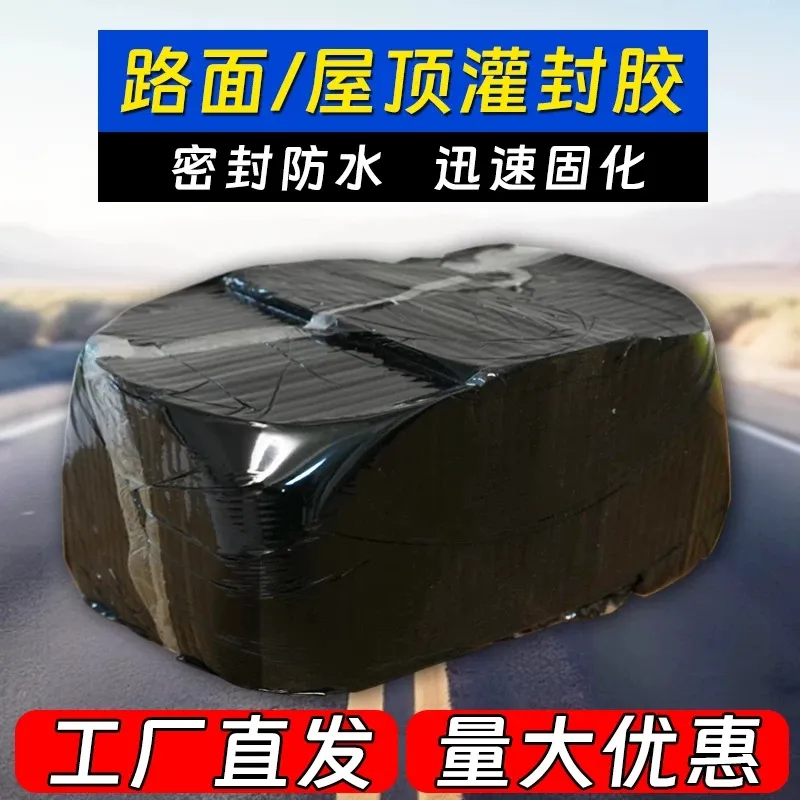
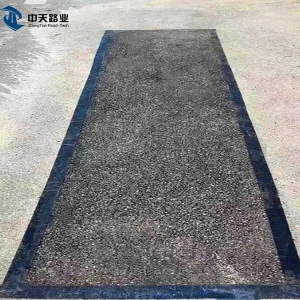
| Roof grouting |
Pavement grouting |
Roof crack waterproofing [20 pounds] |
🔍 The Uses of Asphalt
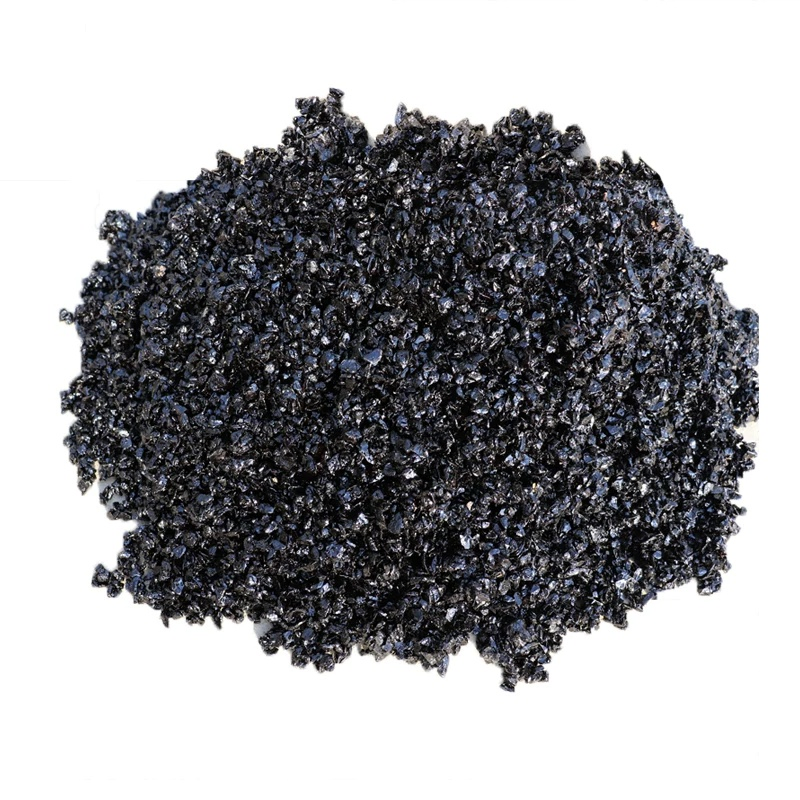
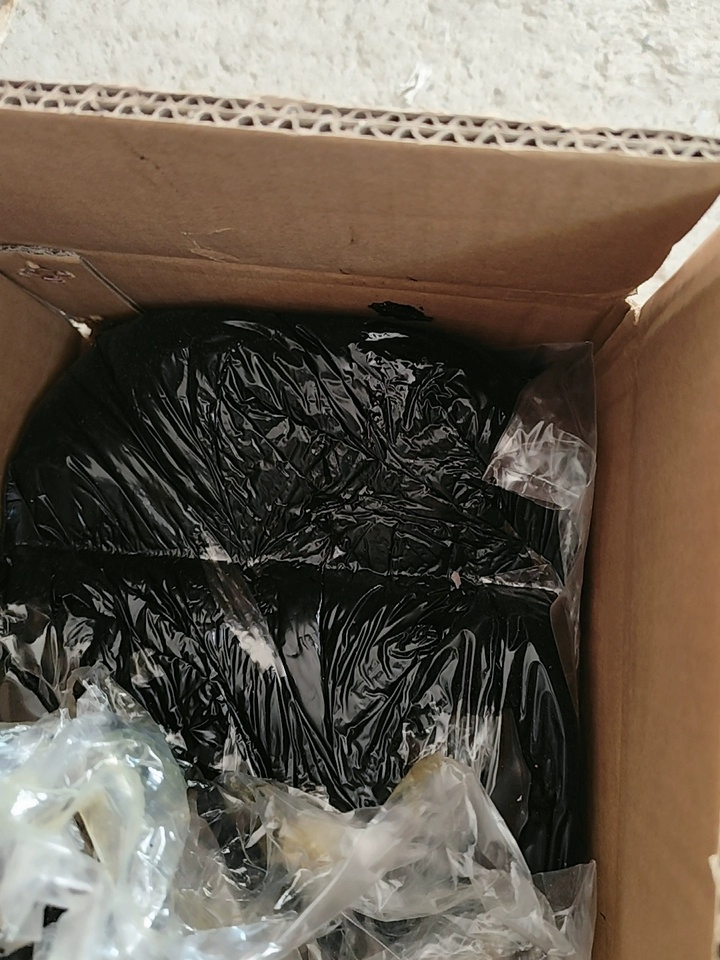
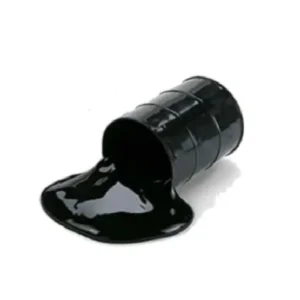
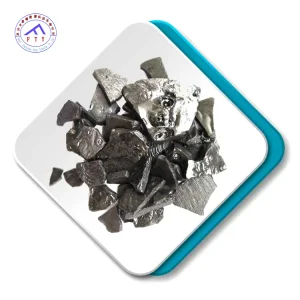
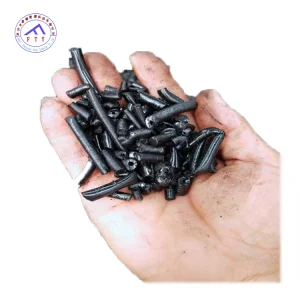
Asphalt is a complex black-brown mixture composed of hydrocarbons with different molecular weights and their non-metallic derivatives, belonging to high-viscosity organic liquids. It appears as a semi-solid or viscous liquid at room temperature, with a black luster on its surface and significant viscoelasticity. During construction, it needs to be heated to reduce its rheological resistance. Asphalt is insoluble in water but soluble in organic solvents such as carbon disulfide and carbon tetrachloride. Its chemical composition is centered around asphaltenes and resins, dispersed in a medium of saturated hydrocarbons and aromatic hydrocarbons, forming a stable colloidal system, thus endowing the material with excellent waterproofing, moisture resistance, corrosion resistance, and bonding properties.
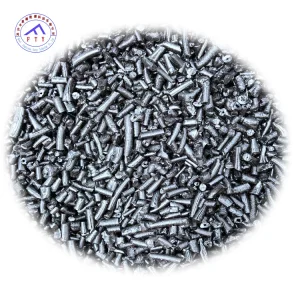
Based on their sources, asphalts are primarily categorized into three types: petroleum asphalt, natural asphalt, and coal tar pitch. Petroleum asphalt, derived from the processing of crude oil distillation residues, is the most widely used and produced variety globally.
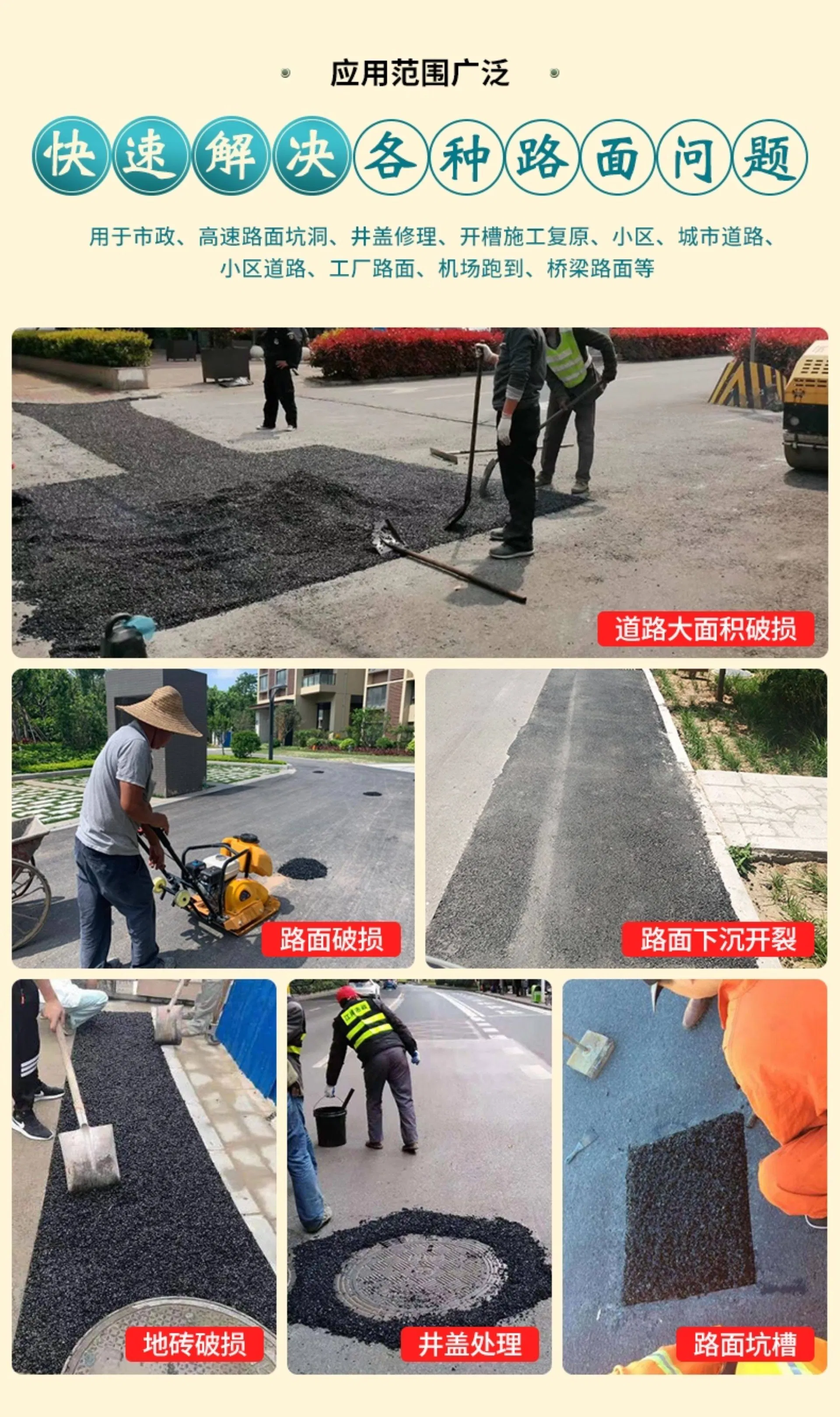
Road engineering is the primary application area for asphalt, with approximately 80% of global asphalt used for paving highways, urban roads, airport runways, and other road surfaces. Furthermore, asphalt serves as a crucial basic material in building waterproofing membranes, sealing materials, industrial anti-corrosion coatings, binders for carbon products, and waterproofing projects in water conservancy, making it an indispensable polymer cementing material in modern infrastructure and engineering construction.
❓ Frequently Asked Questions
What are the main applications of this asphalt material?
This material is primarily used for roof crack waterproofing, pavement grouting, road repairs, and building waterproofing projects.
Why does asphalt need to be heated during construction?
Asphalt appears as a semi-solid or viscous liquid at room temperature. Heating reduces its rheological resistance, making it easier to apply and bond to surfaces.
What makes asphalt an excellent waterproofing material?
Its chemical composition forms a stable colloidal system that is insoluble in water, providing high-viscosity bonding and superior moisture resistance.
What are the different types of asphalt available?
Asphalt is categorized into petroleum asphalt (most common), natural asphalt (high hardness), and coal tar pitch (high temperature resistance).
Is this product suitable for airport runway repairs?
Yes, road engineering, including airport runways and highways, accounts for approximately 80% of global asphalt application due to its durability.
Can asphalt be used for anti-corrosion purposes?
Yes, beyond waterproofing, asphalt is widely used for industrial anti-corrosion coatings and sealing materials in modern infrastructure.
 Cloverdyn Plant