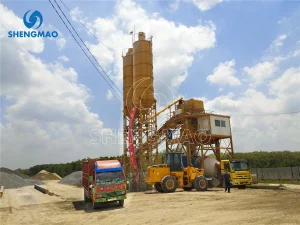
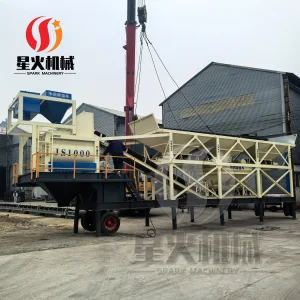
The construction landscape in Latvia—centered around urban hubs like Riga, Liepāja, and Daugavpils—is undergoing a profound transformation. Under the influence of the European Green Deal and structural initiatives such as the Rail Baltica project, the demand for sustainable, high-durability concrete has reached an all-time high. Contractors are increasingly replacing traditional Portland cement (CEM I) with secondary cementitious materials (SCMs), primarily fly ash (pulverized fuel ash), to meet strict carbon footprint limits while enhancing chemical resistance to freeze-thaw cycles and sulfate attacks common in the Baltic climate.
SEO Insight: Integrating fly ash into concrete mixes requires specialized concrete batching plant engineering. Precautions must be taken regarding ash density variance, pneumatic conveying mechanics, and highly precise micro-dosing systems to comply with the European standard EN 206-1.
Fly ash, a byproduct of coal-fired power plants, functions as a highly reactive pozzolan. When introduced into a concrete batching plant, it reacts with calcium hydroxide—a byproduct of cement hydration—to form additional calcium silicate hydrate (C-S-H) gel. This chemical reaction refines the concrete's pore structure, significantly reducing permeability and enhancing long-term compressive strength. In Latvia, where marine infrastructures (such as port terminals in Ventspils) and highway structures face high salt exposure and moisture, fly ash concrete offers unmatched longevity.
However, handling fly ash presents manufacturing hurdles. Because fly ash has a lower bulk density and different flow characteristics compared to standard cement, batching plants must feature customized silo fluidization, dedicated dust collectors (with ATEX/CE certifications), and specialized screw feeders to prevent bridging or flooding. This is where Zhengzhou Cloverdyn Plant Co., Ltd. excels, delivering customized European-standard batching technology configured for optimal pozzolan blending.
Latvian winters demand specialized concrete plant configurations. Batching plants operating during the sub-zero months (November to March) require heavy-duty insulation, sandwich-panel cladding, steam injection pipes inside aggregate bins, and automated water-heating boilers. The control systems must adjust dynamically to ensure the aggregate-and-water slurry enters the mixer at the optimum thermal threshold, guaranteeing that hydration is not compromised before pouring.
Zhengzhou Cloverdyn Plant Co., Ltd. is a leading China manufacturer specializing in the design, production, and supply of stationary and mobile concrete batching plants. Established with a commitment to innovation, quality, and efficiency, Cloverdyn has become a trusted partner for construction companies, contractors, and industrial projects worldwide.
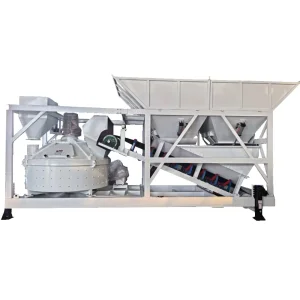
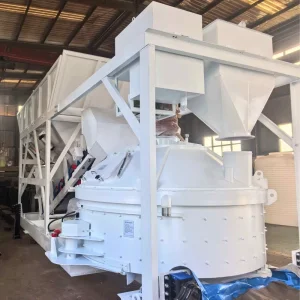
The company offers a comprehensive range of concrete batching solutions, including twin-shaft mixers, planetary mixers, and fully automated mixing systems, catering to both large-scale and small-scale projects. With advanced engineering and precision manufacturing, Cloverdyn plants ensure high efficiency, consistent concrete quality, and long-term durability, meeting the diverse needs of modern construction.
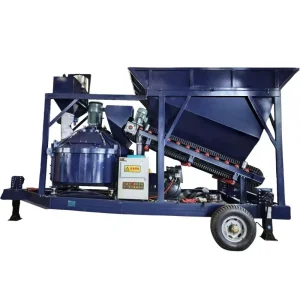
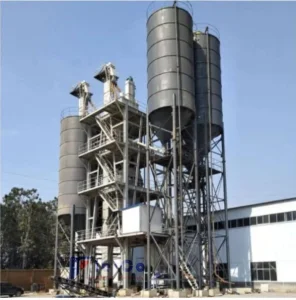
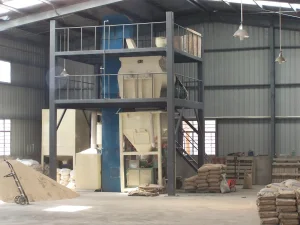
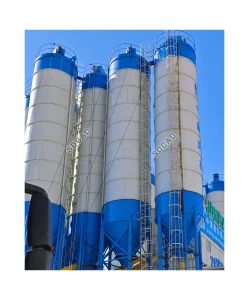
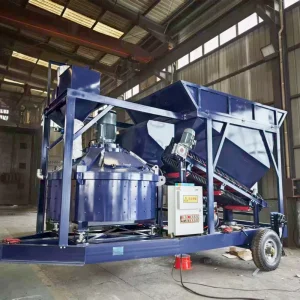
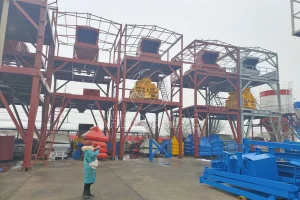
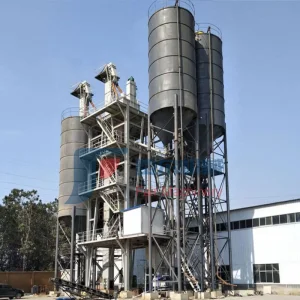
Cloverdyn’s mobile concrete batching plants are designed for flexibility and rapid deployment, allowing clients to set up operations at multiple sites without compromising performance. Their stationary plants are ideal for high-capacity, continuous production, offering seamless integration with cement silos, aggregate storage, and automation controls.
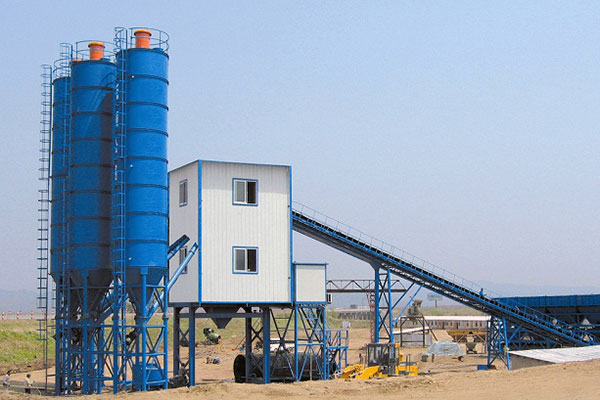
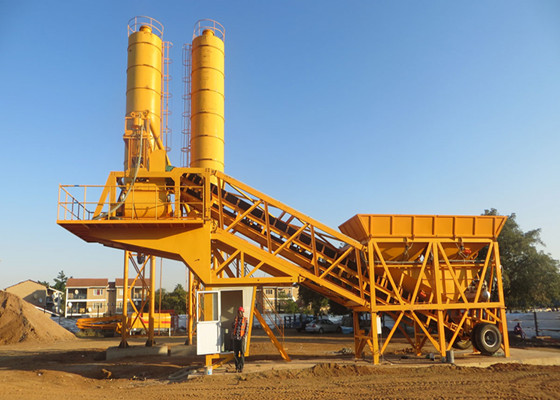
The company emphasizes eco-friendly practices and energy-efficient designs, helping clients reduce waste, lower emissions, and optimize operational costs. With a professional R&D team, state-of-the-art production facilities, and a global distribution network, Zhengzhou Cloverdyn Plant Co., Ltd. delivers customized solutions, OEM services, and dedicated after-sales support.
Committed to innovation, reliability, and customer satisfaction, Cloverdyn continues to advance the concrete batching industry, providing intelligent, high-performance solutions that empower construction projects across China, Europe, and the world.
Procuring a fly ash concrete batching plant directly from our manufacturing hubs in Zhengzhou grants Latvian contractors a distinct competitive edge. By consolidating the entire production ecosystem—ranging from high-tensile steel structural fabrication and premium twin-shaft mixers (often using Sicoma-equivalent components) to Siemens PLC automated control systems—we achieve a highly optimized price-to-performance ratio. These savings can be direct capital reinvested into customized winterization or advanced environmental mitigation systems for your Latvian facility.
Our logistical pipeline is optimized for efficient transit to Northern Europe. Cloverdyn plants are designed modularly for standard shipping containers (40' OT/FR containers) to prevent damage during long-distance transport. Key routes include maritime freight directly from Qingdao or Tianjin ports to the Freeport of Riga or the Port of Liepāja, as well as overland intermodal rail links through the Eurasian network, ensuring rapid transit, clear customs clearance compliance, and minimal lead times.
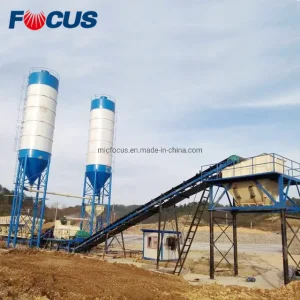
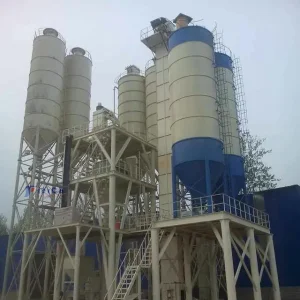
Under the European Concrete Standard EN 206, fly ash is categorized as a Type II addition. When formulating concrete, the maximum permitted quantity of fly ash to be taken into account for the water/cement ratio calculation is determined by the "k-value" concept (typically k = 0.4 for CEM I). This requires batching plants to feature highly precise dosing systems with a weighing accuracy of ±1% for cement and additions. Cloverdyn plants utilize high-performance load cells and dynamic PLC calibrations to guarantee full regulatory compliance.
For operations in Latvia, we configure our concrete plants with comprehensive winterization packages. This includes thermally insulated sandwich panel cladding for the mixing tower, steam heating pipes embedded in the aggregate storage bins, and automated water-heating systems. These components ensure that the aggregate mix temperature is maintained, preventing freezing and ensuring the concrete undergoes proper chemical curing even in sub-zero environments.
Fly ash reacts with the free lime generated during cement hydration, converting it into calcium silicate hydrates (C-S-H). This reaction decreases permeability, preventing aggressive chloride ions and sulfates present in marine environments from penetrating the concrete reinforcement. This effectively mitigates the risk of corrosion and alkali-silica reactions (ASR), extending the structural lifecycle of ports, docks, and coastal bridge supports.
Our plants are equipped with dual-computer, fully automated PLC control systems (typically utilizing Siemens or Omron industrial microchips). The control interfaces feature real-time formula adjustments, database recording for quality audits, automatic moisture-compensation algorithms, and Remote Diagnostics capabilities. This allows engineers from our tech hub to assist with configuration or calibration directly over the network.
We provide full-process export management. The plant components are manufactured modularly to fit securely into standard shipping containers to minimize freight costs. Shipping is coordinated directly to major Baltic ports such as Riga or Klaipėda. Upon arrival, our local service agents or dispatched engineers assist with foundation checks, assembly, electrical routing, sensor calibration, and operator training to ensure operational readiness.
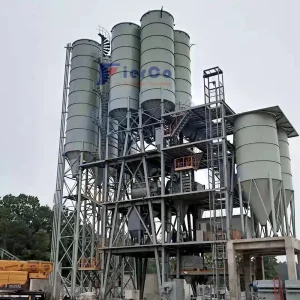
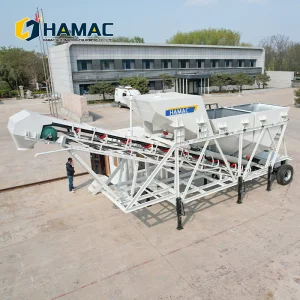
Get in touch with Cloverdyn’s senior engineering consultants to request a customized CAD layout, quotation sheets, and compliance documentation for the Baltic market.
Send Inquiry Now Cloverdyn Plant