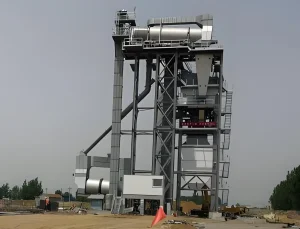
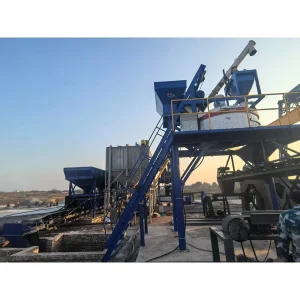
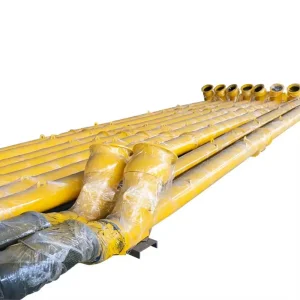
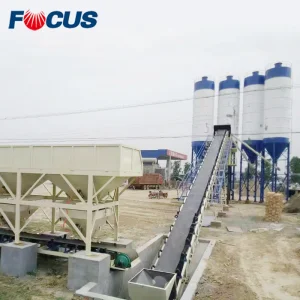
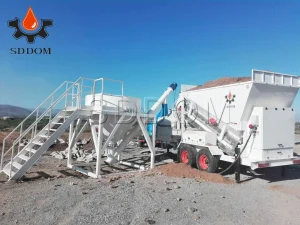
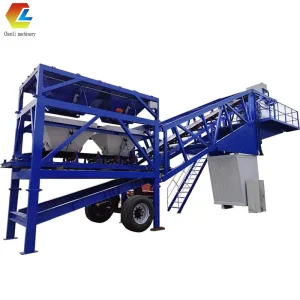
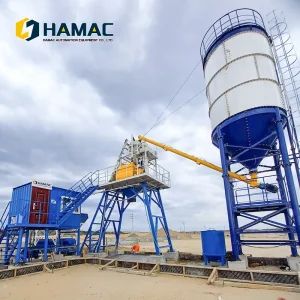
High-efficiency plants and key components optimized for global manufacturing demands.
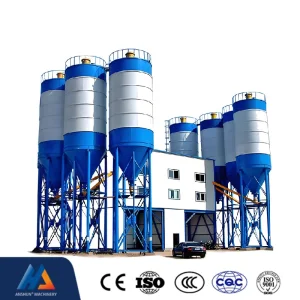
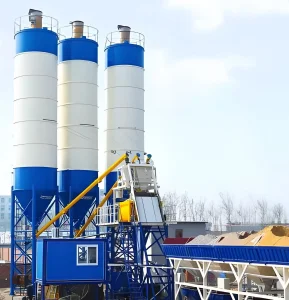
As global infrastructure demands rise, the transformation from traditional jobsite mixing to specialized dry mortar mixing plant production has become a cornerstone of modern green construction. In the center of this technological paradigm shift are leading Chinese manufacturers who have integrated automation, smart-weighing precision, and eco-friendly features into their industrial plant designs.
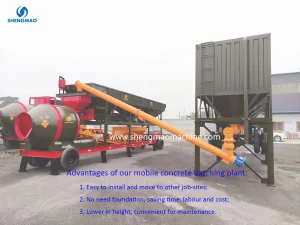
Unlike wet concrete batching plants, dry mortar mixing systems require exceptionally high levels of chemical additive control and aggregate homogeneity. This is crucial for producing high-performance mortars, tile adhesives, thermal insulation materials, and self-leveling floors. Leading Chinese OEMs like Zhengzhou Cloverdyn Plant Co., Ltd. have spearheaded this design shift, offering both stationary high-output configurations and mobile batching solutions customized for dynamic worksites.
By using modular configurations, modern manufacturing installations maximize uptime, minimize cross-contamination between batches, and strictly control emissions to satisfy rigorous European and North American environmental policies.
Deciphering the technological, structural, and cost advantages driving the global supply chain.
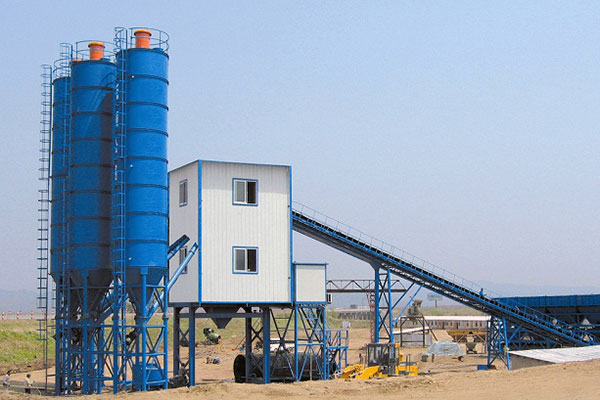
China hosts complete supply chain clusters for dry mix technology. From raw heavy steel structural processing to advanced electronic control modules (PLC), factories in industrial hubs leverage close proximity to top-tier steel and high-precision sensor manufacturers, drastically shortening delivery timelines.
Leading suppliers emphasize modular structure designs. Whether you need to integrate a thermal insulation board system or an automated packaging line, the components are engineered as interchangeable building blocks, facilitating future expansions without high re-engineering costs.
By combining optimized manufacturing processes with robust industrial designs, Chinese factories offer heavy-duty batching plants at a fraction of the cost of European competitors, maintaining equivalent mechanical life cycles and mixing performance standards.
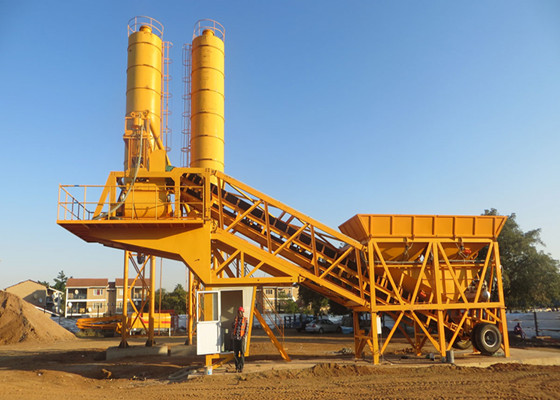
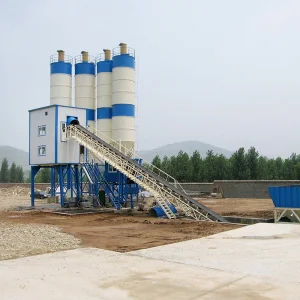
Zhengzhou Cloverdyn Plant Co., Ltd. is a leading manufacturer specializing in the design, production, and supply of stationary and mobile concrete batching and dry mortar mixing plants.
Established to deliver high efficiency and long-term durability, Cloverdyn offers an extensive portfolio of concrete batching and dry mortar solutions. Key offerings include:
Their plants incorporate automated dosing scales, Siemens PLC systems, and customized sand dryers. Cloverdyn remains a trusted partner for contractors looking to scale up production with predictable ROI.
A comparative look at the technical configurations of standard manufacturing setups.
| Plant Type | Capacity Range | Core Mixer Technology | Suitable Products | Automation Grade | |
|---|---|---|---|---|---|
| Tower Type System | 30 - 100+ Tons/Hour | High-efficiency Ploughshare / Twin-shaft | Specialized Mortars, Tile Adhesives, Grout | Fully Automated (SCADA/Siemens PLC) | |
| Step Type System | 10 - 30 Tons/Hour | Twin-shaft Paddle Mixer | Masonry & Plastering Mortars, Screed | Semi-to-Fully Automated | Capable |
| Modular Stationary | 5 - 20 Tons/Hour | Single/Twin-shaft Paddle | Standard Ready-mix Dry Mortar | Semi-Automated / PLC Touchscreen | |
| Mobile Dry Mix Plant | 5 - 15 Tons/Hour | Compact Batch Mixer / Planetary | On-site Projects, Road Fixes, Repair Mortars | Integrated Control Console |
How advanced construction plants interconnect with environmental controls and asphalt technology.
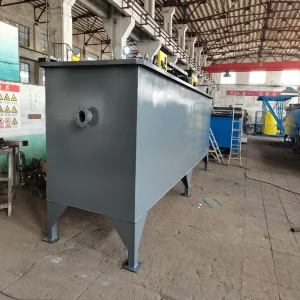
Large-scale dry mortar and concrete production sites generate industrial wastewater from aggregate washing and equipment cleaning. Integrating a DAF (Dissolved Air Flotation) Wastewater Treatment Plant ensures that suspended solids and oils are stripped out, enabling 100% water recycling within the batching facility.
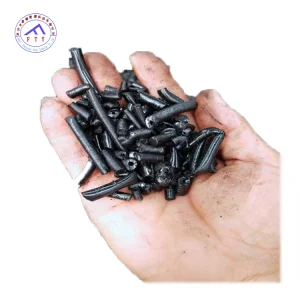
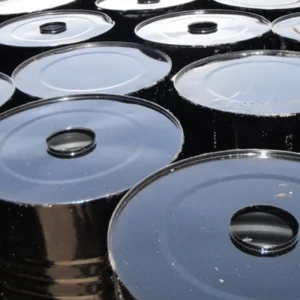
Modern mega-factories often pair dry mortar production with asphalt batching. Utilizing products like Low Ash Modified Asphalt and specialized additives allows operators to service road repairs and structural construction simultaneously from a single, integrated logistics hub.
Ultra-High-Performance Concrete (UHPC) requires intense shear forces to evenly distribute micro-silica, cementitious particles, and steel fibers. Using specialized planetary or counter-current mixers inside the dry mortar complex guarantees the homogeneity of raw materials prior to packaging or direct batch distribution.
The shift towards intelligent manufacturing, carbon neutrality, and deep automation.
Next-generation plants feature integrated sensors connected directly to cloud platforms. Operators track energy usage, mixing motor torque deviations, and load cell statuses in real-time. This predictive maintenance setup minimizes unexpected downtime, which can cost thousands of dollars per hour.
With regulations focusing heavily on carbon output, mixing plants are being re-engineered to handle alternative, green binders such as calcined clay, fly ash, and ground granulated blast-furnace slag (GGBS) without compromising flowability and structural performance.
Dust mitigation is a critical metric for workplace safety and compliance. Advanced automatic valve-bag packaging machines and enclosed truck loading spouts are designed to capture dust back into the production loop, maximizing material usage while maintaining a clean plant environment.
Key parameters procurement teams must assess before finalizing contracts.
The type of sand you use (natural silica sand vs. crushed stone sand) determines the dryer design and mixing paddle wear-resistant coating. Crushed sand, with its sharp corners, requires harder alloys (such as High-Chromium cast iron) inside the mixing chamber to prevent premature erosion.
Dry mortars rely heavily on chemical additives like cellulose ether, redispersible polymer powder (RDP), and air-entraining agents. Ensure the manufacturer integrates an independent, highly precise micro-additive dosing scale. Check that accuracy is rated within ±0.5% for bulk binders and ±0.1% for delicate chemical additives.
Ensure your chosen supplier provides international quality certificates. Cloverdyn and similar first-rate Chinese manufacturers comply with CE markings, ISO 9001 quality management standards, and supply ASME-coded air compressor tanks and pressure vessels when required.
Avoid proprietary, closed-loop software controls that lock you into local supplier visits for minor code bugs. Specify an open architecture built on standard industrial networks (e.g., Profinet, Modbus) so your local electrical engineers can diagnose issues or interface the plant with your ERP system.
Verify if the factory offers on-site supervision for mechanical assembly, electrical wiring, calibration of load cells, and test runs under load. Modern remote monitoring capabilities allow engineers to debug batching parameters directly from the factory, saving weeks of on-site delay.
Detailed answers to direct questions asked by construction managers and procurement directors.
Explore additional specialized machinery designed to support infrastructure and batching projects globally.
 Cloverdyn Plant