As environmental directives tighten globally, infrastructure firms are pivoting from traditional Hot Mix Asphalt (HMA) to cold mix emulsion solutions. This comprehensive guide outlines the operational frameworks, structural advantages, and top manufacturing pioneers defining modern cold mix technology.
Cold mix asphalt is produced by mixing unheated aggregate with emulsified asphalt, cutback asphalt, or specialized foamed binders. Unlike Hot Mix Asphalt, which requires energy-intensive burner systems to maintain temperatures between 150°C and 180°C, cold mix systems function at ambient temperatures. This chemical-driven adhesion mechanism dramatically reduces fuel consumption, eliminates toxic particulate emissions on construction sites, and allows for much longer storage and transport limits, making it highly valuable for remote projects and emergency repair work.
Top-tier factories integrate load-cell weighing belts coupled with flowmeters, ensuring the exact stoichiometric ratio between wet aggregate matrix and liquid bitumen emulsions.
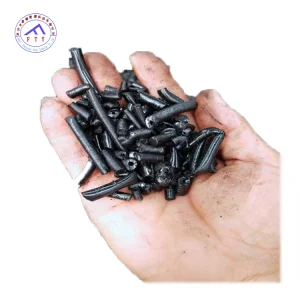
Achieving optimal adhesion requires plants equipped with multi-stage high-shear colloid mills capable of processing modified binders, including rubberized and sulphonated bitumen phases.
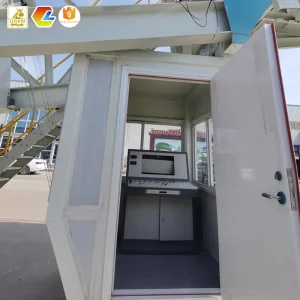
Top plants must handle variable moisture content in aggregates, adjusting emulsion dosage in real-time through intelligent PLC feedback loops to avoid stripping issues.
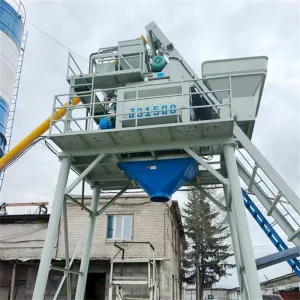
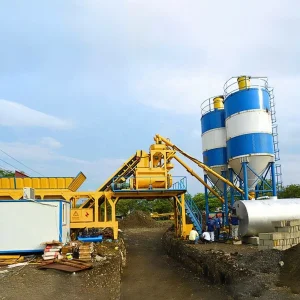
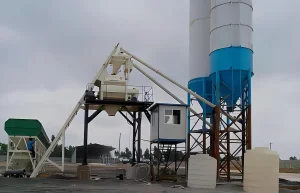
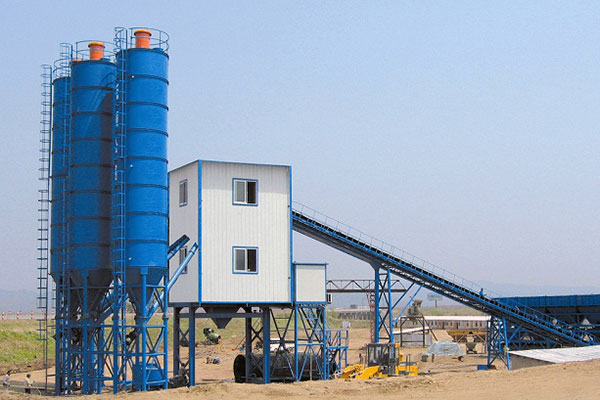
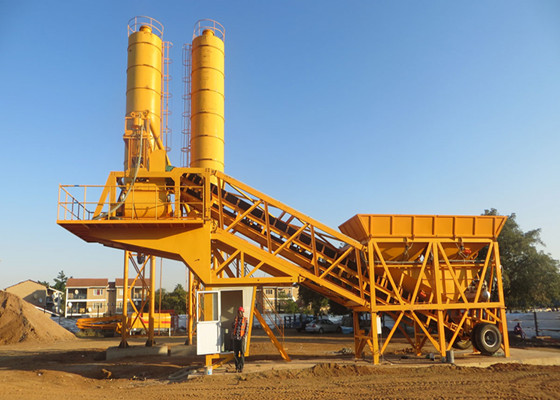
Zhengzhou Cloverdyn Plant Co., Ltd. is a leading China manufacturer specializing in the design, production, and supply of stationary and mobile concrete batching plants. Established with a commitment to innovation, quality, and efficiency, Cloverdyn has become a trusted partner for construction companies, contractors, and industrial projects worldwide.
The company offers a comprehensive range of concrete batching solutions, including twin-shaft mixers, planetary mixers, and fully automated mixing systems, catering to both large-scale and small-scale projects. With advanced engineering and precision manufacturing, Cloverdyn plants ensure high efficiency, consistent concrete quality, and long-term durability, meeting the diverse needs of modern construction.
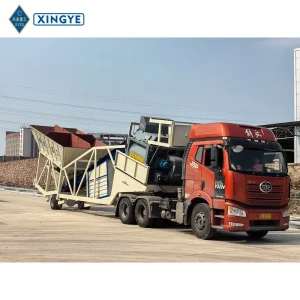
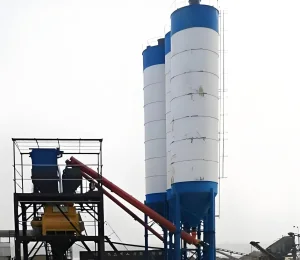
Cloverdyn’s mobile concrete batching plants are designed for flexibility and rapid deployment, allowing clients to set up operations at multiple sites without compromising performance. Their stationary plants are ideal for high-capacity, continuous production, offering seamless integration with cement silos, aggregate storage, and automation controls.
The company emphasizes eco-friendly practices and energy-efficient designs, helping clients reduce waste, lower emissions, and optimize operational costs. With a professional R&D team, state-of-the-art production facilities, and a global distribution network, Zhengzhou Cloverdyn Plant Co., Ltd. delivers customized solutions, OEM services, and dedicated after-sales support.
Committed to innovation, reliability, and customer satisfaction, Cloverdyn continues to advance the concrete batching industry, providing intelligent, high-performance solutions that empower construction projects across China and the world.
By bridging concrete engineering expertise with advanced modified binder technology, Cloverdyn delivers multi-purpose plant solutions. These allow contractors to utilize aggregate batching technology not only for concrete mixes but also for complex modified asphalt binder preparation, waterproofing coatings, and cold mix batch stabilization.
Procurement requirements for Cold Mix Asphalt Plants vary significantly depending on geography, site logistics, and environmental regulations.
Requires compact, highly mobile units designed for rapid deployment in urban environments. Focus is on rapid set-up time and minimal environmental disruption during structural patching operations.
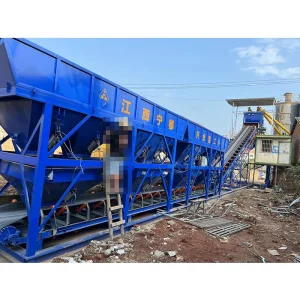
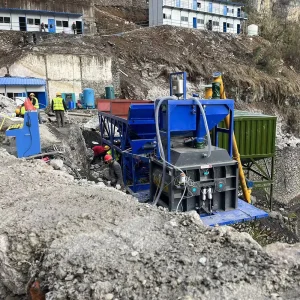
Requires high-capacity stationary mixing plants designed to operate with local, non-standard aggregates. These setups require large material storage hoppers and highly durable pugmills.
Requires dual-purpose plants (Concrete + Asphalt Batching capability) to maximize ROI. Compliance with EN and ASTM standards is mandatory for tender qualification.
The integration of advanced materials and automation systems is reshaping how cold mix plants are designed and operated. Engineers must focus on the coordination of chemical kinetics and mechanical mixing to ensure pavement durability.
Exporting machinery worldwide requires manufacturers to meet complex legal frameworks and technical safety protocols.
Essential for entering the European Economic Area, guaranteeing electrical safety, structural integrity, and noise control standards.
Ensures aggregate handling and chemical dosing operations align with environmental standards and worker safety regulations in North America.
Global suppliers send technical teams to calibrate dosing software, configure aggregate feeds, and train local crews on system maintenance.
 Cloverdyn Plant