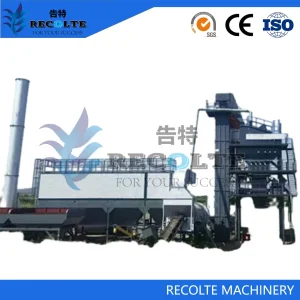
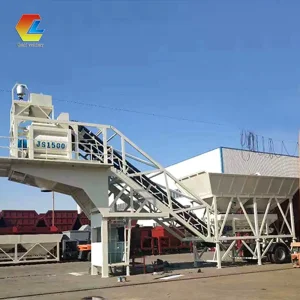
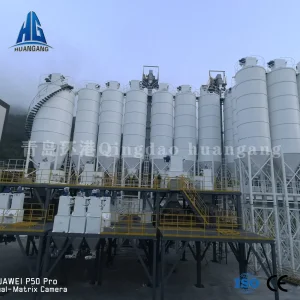
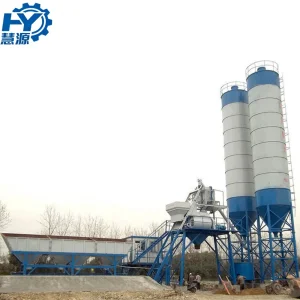
High-capacity asphalt batching, mobile mixing units, and dry-mix precision machinery
The global demand for high-grade pavement solutions, durable transport networks, and sustainable highway construction has propelled Chinese asphalt mixing plant manufacturers to the forefront of heavy equipment engineering. China’s asphalt machinery ecosystem delivers an unmatched balance of high thermal efficiency, precise aggregate screening, low-emission baghouse filtration, and intelligent SCADA control integration.
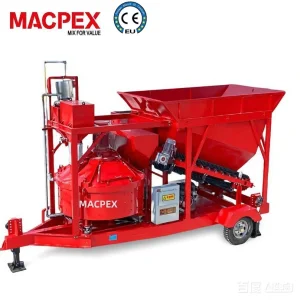
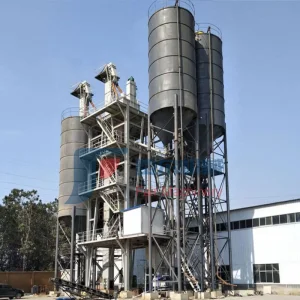
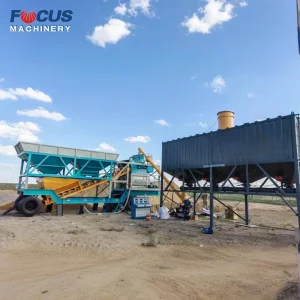
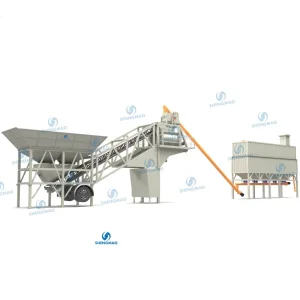
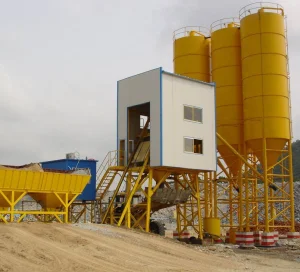
Zhengzhou Cloverdyn Plant Co., Ltd. is a leading China manufacturer specializing in the design, production, and supply of stationary and mobile concrete batching plants and specialized mixing machinery. Established with a commitment to innovation, quality, and efficiency, Cloverdyn has become a trusted partner for construction companies, contractors, and industrial projects worldwide.
The company offers a comprehensive range of concrete batching solutions, including twin-shaft mixers, planetary mixers, and fully automated mixing systems, catering to both large-scale and small-scale projects. With advanced engineering and precision manufacturing, Cloverdyn plants ensure high efficiency, consistent concrete quality, and long-term durability, meeting the diverse needs of modern construction.
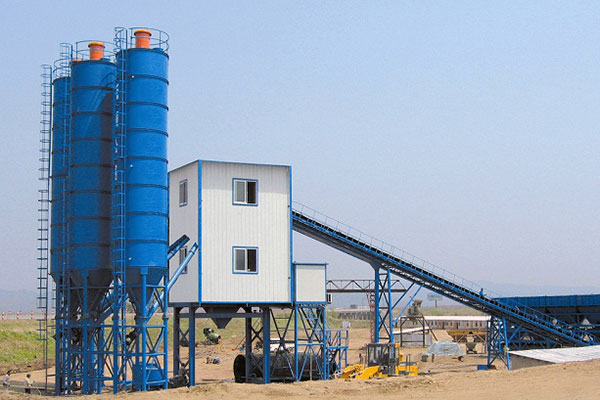
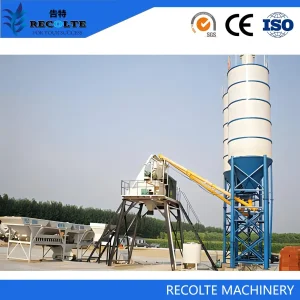
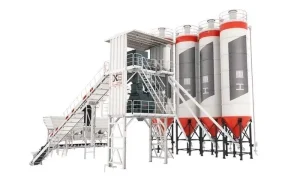
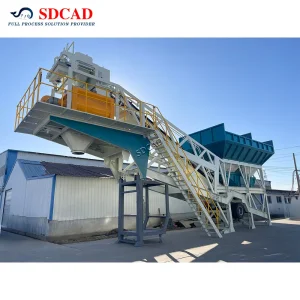
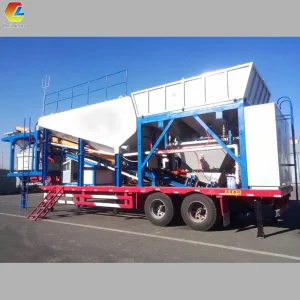
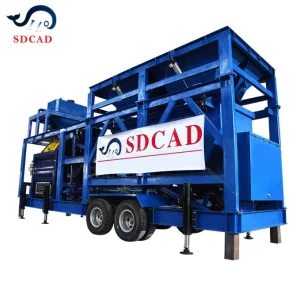
Cloverdyn’s mobile concrete batching plants are designed for flexibility and rapid deployment, allowing clients to set up operations at multiple sites without compromising performance. Their stationary plants are ideal for high-capacity, continuous production, offering seamless integration with cement silos, aggregate storage, and automation controls.
The company emphasizes eco-friendly practices and energy-efficient designs, helping clients reduce waste, lower emissions, and optimize operational costs. With a professional R&D team, state-of-the-art production facilities, and a global distribution network, Zhengzhou Cloverdyn Plant Co., Ltd. delivers customized solutions, OEM services, and dedicated after-sales support.
Committed to innovation, reliability, and customer satisfaction, Cloverdyn continues to advance the concrete batching and material mixing industry, providing intelligent, high-performance solutions that empower construction projects across China and the world.
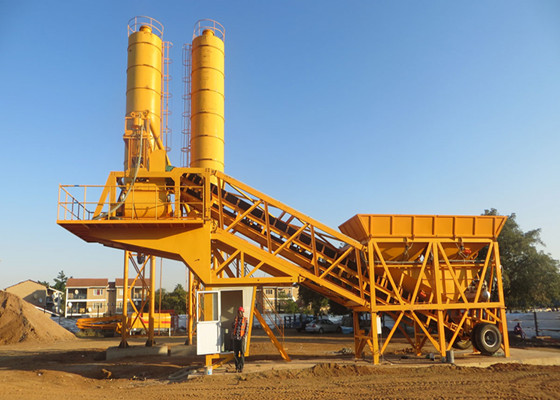
Understanding the mechanical synergy inside modern asphalt mixing plants (LB Series Batch Type and Continuous Drum Type).
Equipped with multi-bin storage feeders featuring variable frequency drive (VFD) belt conveyors. Individual speed calibration prevents proportioning errors before drying, ensuring strict adherence to project mix designs (SMA, AC-13, AC-20).
Features a flight-lifter design optimized for maximum heat transfer. Compatible with natural gas, heavy oil, diesel, or multi-fuel burners, achieving thermal efficiency exceeding 90% while removing moisture to under 0.5%.
Enclosed linear or inclined vibrating screens categorize hot aggregates into 4 to 6 discrete size fractions. Dynamic mesh design prevents blinding and guarantees strict particle sizing before secondary weighing.
Utilizes high-precision load cells for independent weighing of aggregate, mineral filler, and liquid bitumen. Microprocessor controls deliver cumulative or incremental accuracy within ±0.5% tolerance.
High-torque dual horizontal shafts with wear-resistant Ni-Hard liner plates and paddles ensure complete homogenous coating of aggregate particles with bitumen within a rapid 35-to-45 second mixing cycle.
Two-stage dust collection incorporating a primary cyclone separator and secondary Nomex/PTFE bag filters. Captures airborne fines down to 2 microns, returning reclaimed filler to the mix while meeting strict EPA limits.
Global procurement teams favor Chinese asphalt mixing plant OEMs due to localized supply chain integration, superior metallurgical standards, and significant capital expenditure savings without technical compromises.
Leading Chinese exporters aggregate premium global sub-components to ensure regional serviceability worldwide. Key components include:
By leveraging integrated structural steel manufacturing in industrial hubs such as Zhengzhou and Shandong, plant buyers achieve 30% to 45% initial capital cost savings compared to European counterparts.
Furthermore, modular containerized container-frame structures (ISO standard dimensions) drastically cut international ocean freight overhead and simplify onsite crane assembly.
| Plant Capacity (t/h) | Mixer Capacity (kg) | Screening Decks | Drying Drum Power (kW) | Dust Filter Area (m²) | Bitumen Tank Vol. (m³) |
|---|---|---|---|---|---|
| 80 t/h (LB-1000) | 1,000 kg | 4 Decks | 45 kW | 350 m² | 2 x 30 m³ |
| 120 t/h (LB-1500) | 1,500 kg | 4 - 5 Decks | 55 kW | 480 m² | 3 x 40 m³ |
| 160 t/h (LB-2000) | 2,000 kg | 5 Decks | 75 kW | 650 m² | 4 x 50 m³ |
| 240 t/h (LB-3000) | 3,000 kg | 5 - 6 Decks | 110 kW | 950 m² | 5 x 50 m³ |
| 320 t/h (LB-4000) | 4,000 kg | 6 Decks | 132 kW | 1,200 m² | Custom Battery |
Modern road contracts mandate sustainable practices. Leading Chinese asphalt plant exporters now integrate eco-friendly solutions to reduce carbon intensity and material consumption.
Dedicated RAP recycling ring attachments or parallel secondary recycling drums allow plants to incorporate 20% to 50% recycled asphalt pavement, significantly cutting raw bitumen and aggregate usage without compromising Marshall stability.
Water-foaming bitumen technologies lower mixing and compaction temperatures by 20°C to 30°C. This process reduces burner fuel usage by up to 20%, minimizes blue smoke emissions, and extends paving windows in cold weather.
Fully automated computer control cabins featuring real-time diagnostic reporting, cloud-linked material consumption tracking, dynamic aggregate ratio auto-correction, and predictive component maintenance alerts.
Operating asphalt equipment internationally requires compliance with local environmental regulations, structural codes, and harsh environmental conditions.
For projects in South American Andes or Middle Eastern desert terrains, plants are retrofitted with special burner blowers to offset low oxygen levels at high altitudes, and heavy-duty thermal insulation for asphalt tanks operating at extreme ambient temperatures (up to +50°C or down to -25°C).
Equipped with complete acoustic insulation cladding for drying drums and vibrating screens, reducing noise levels below 70 dB(A). Active carbon blue smoke filters neutralize VOCs and asphalt odor near residential areas.
To eliminate operational downtime, certified manufacturers provide end-to-end global services:
Dispatch of senior mechanical/electrical engineers for foundation layout validation and site erection.
Hands-on training covering SCADA calibration, mix formula configuration, and safety protocols.
Standardized fast-wear parts (screen mesh, mixer paddles, bag filters) stocked globally for rapid delivery.
Complete CE mark, ISO 9001:2015, ISO 14001, and local pressure vessel (ASME/DOSH) documentation.
Essential guidance for procurement directors, project managers, and road contractors
Explore high-performance paving additives, modular concrete plants, and asphalt modification products.
 Cloverdyn Plant