Integrating silos with concrete batching plants is essential for improving efficiency in construction projects. Understanding how to integrate silos with concrete batching plants can significantly streamline operations. By connecting these elements, businesses can enhance workflow, reduce downtime, and lower operational costs.
Silos play a vital role in storing raw materials. When integrated effectively, they provide a steady supply to batching plants. This synergy minimizes the risk of material shortages. However, achieving this integration is not always straightforward. It requires careful planning and execution. Each batching plant has unique needs, and adaptability is crucial.
A robust system must accommodate varying material types and changing production demands. This approach not only boosts efficiency but also promotes consistency in concrete quality. While the benefits are clear, the integration process can reveal challenges. Businesses must be prepared to address any issues that arise, ensuring a reliable and efficient operation.
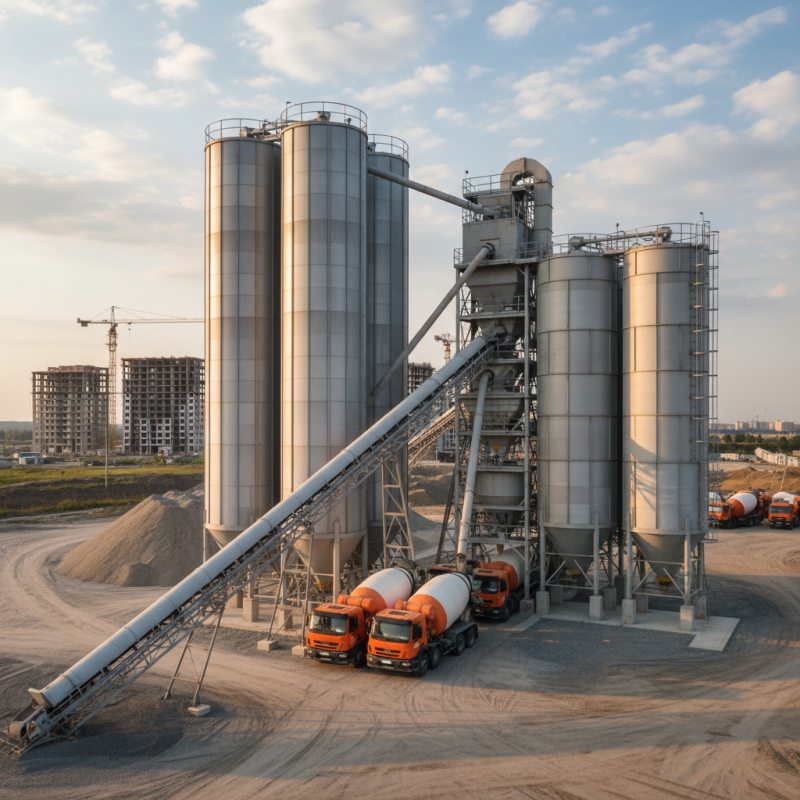
Benefits of Integrating Silos with Concrete Batching Plants
Integrating silos with concrete batching plants enhances operational efficiency significantly.
According to the National Ready Mixed Concrete Association, the concrete industry can improve productivity by up to 30% when combining these systems.
This fusion allows for streamlined material storage and accurate batching processes. The result is reduced downtime and improved consistency in concrete quality.
One of the major benefits of this integration is the reduction of material waste.
Batching plants can minimize excess by directly controlling how much raw material is needed.
Studies indicate that effective silo integration can lead to a waste reduction of around 15%, which is crucial in a resource-intensive industry.
Efficient use of materials translates not only to cost savings but also to a smaller environmental footprint.
Tip: Regular maintenance of silos ensures optimal performance.
Blockages and leaks can disrupt batching processes and increase waste.
Check for issues monthly to maintain efficiency.
Incorporating new technologies can further enhance these benefits.
Automated systems improve accuracy in batching, reducing human error.
However, this approach can require significant upfront investment.
Companies must weigh these costs against potential savings.
Constant evaluation of this integration is essential for long-term success.
Improved Material Handling and Storage Efficiency
Integrating silos with concrete batching plants can greatly enhance material handling and storage efficiency. This integration allows for a seamless flow of materials. With optimized processes, operators can reduce time spent moving materials and increase overall productivity.
Storage is often a challenge in batching operations. For instance, using appropriately sized silos can prevent overflow and ensure that materials are used effectively. One practical tip is to regularly assess silo capacity and adjust inventory levels based on project demands. This helps in minimizing waste and streamlining operations.
Efficient material handling relies on clear pathways and organized storage solutions. Creating designated areas for each material can avoid confusion and delays. A good practice is to label all storage locations clearly. This ensures that workers can quickly find and access the materials they need, reducing downtime.
Reflecting on equipment performance is essential for ongoing improvement. Regular maintenance checks will reveal flaws that could disrupt workflows. Implementing scheduled evaluations can optimize efficiency and sustain productivity over time.
Enhancing Quality Control Through Integrated Systems
Integrating silos with concrete batching plants can profoundly enhance quality control. Efficient measurement of materials is crucial. According to the National Ready Mixed Concrete Association (NRMCA), accurate material batching is vital for achieving targeted strength and durability. A 5% variation in water-cement ratios can lead to significant changes in the concrete's performance. Therefore, cohesive systems enable precise monitoring and adjustments.
Automation in integrated systems can streamline processes, reducing human error. A study by the International Concrete Sustainability Conference noted that integrating technology decreases mix variability. The data highlighted that plants utilizing integrated silos observed a 30% reduction in material waste. This not only boosts efficiency but also aligns with sustainability goals in the industry.
Challenges remain, such as the initial costs of integration and the need for staff training. Transitioning to automated systems requires an investment in both technology and workforce development. Despite these hurdles, the long-term benefits in quality assurance are undeniable. Enhanced durability, reduced complaints from clients, and tighter quality controls emerge as essential outcomes of this integrated approach. The industry’s shift toward more cohesive systems is not just about efficiency; it is about ensuring lasting quality in concrete production.
Cost-Effectiveness of Combined Operations in Construction Projects
Integrating silos with concrete batching plants can significantly enhance cost-effectiveness in construction projects. When these two entities work together, efficiency improves. Projects can save on transportation costs. Mixing materials on-site reduces waste and time, leading to financial benefits.
Tips: Always assess site space before implementing this integration. A lack of space can hinder operations. Also, consider training staff on the new systems. Skilled workers can minimize errors. Even with the best layout, issues may arise. For instance, inconsistent supply of materials can disrupt batching quality.
In practice, the combination promotes better budget management. Stakeholders appreciate the reduction in overhead costs. However, it’s important to monitor operations regularly. Inefficiencies might creep in unnoticed. Frequent evaluations can highlight areas needing improvement. Ultimately, the goal is streamlined processes and sustainable savings.
Why Integrate Silos with Concrete Batching Plants for Efficiency? - Cost-Effectiveness of Combined Operations in Construction Projects
| Parameter |
Integrated Operations |
Separate Operations |
Cost Difference (%) |
| Monthly Operating Cost |
$15,000 |
$20,000 |
25% |
| Annual Maintenance Cost |
$5,000 |
$8,000 |
37.5% |
| Labor Cost (Monthly) |
$10,000 |
$12,000 |
16.67% |
| Material Cost per Cubic Meter |
$80 |
$90 |
11.11% |
| Project Completion Time |
6 Months |
8 Months |
25% |
Mitigating Waste and Environmental Impact in Concrete Production
Concrete production often results in significant waste. Integrating silos with concrete batching plants can minimize this impact. By managing materials effectively, producers can save resources. This integration allows for better control over batching processes and reduces excess. In turn, it lowers the environmental footprint.
When materials are stored in silos, the risk of contamination decreases. This means higher quality concrete and less waste from rejections. Implementing this system offers a chance to rethink existing processes. Many operations still rely on outdated methods. Embracing modern techniques can lead to improvements.
Tips: Regularly check silo equipment for leaks. Train staff on proper batching practices. Use digital monitoring systems to optimize material use. These small changes make a big difference. Thoughtful management can lead to significant savings and better environmental outcomes.
Conclusion
Integrating silos with concrete batching plants offers numerous benefits that significantly enhance operational efficiency in construction projects. Firstly, improved material handling and storage efficiency streamline the workflow, allowing for quicker access to essential materials. Furthermore, integrated systems bolster quality control by ensuring a consistent mix and reducing the chances of human error. This synergy not only promotes better product quality but also leads to cost-effectiveness through reduced labor and equipment expenses.
Moreover, understanding how to integrate silos with concrete batching plants effectively can lead to a notable reduction in waste and environmental impact during concrete production. By optimizing resource usage and minimizing excess material, construction companies can operate more sustainably. Overall, this integration represents a strategic approach to modernizing the concrete production process, enhancing both productivity and environmental stewardship.

 Cloverdyn Plant