How to Choose Eco Friendly Concrete Batching Solutions?

Time:2026-09-27 Author:Charlotte
0%

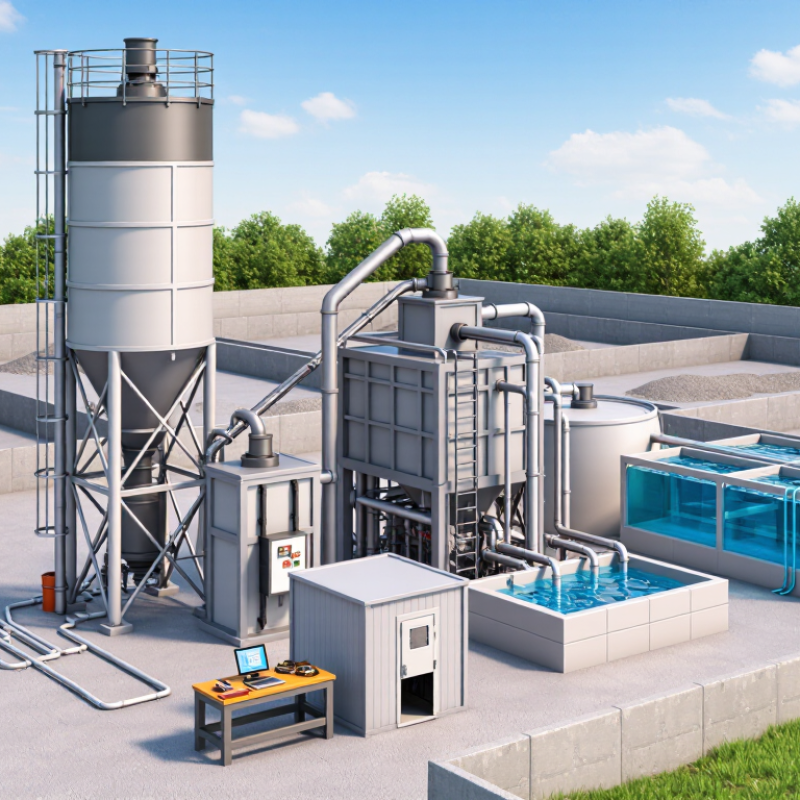
How to choose eco-friendly concrete batching solutions begins with a practical question: where does the plant waste energy, water, and material? A mixer’s power rating matters, but so do the details operators see each shift. Is wash water captured in a settling tank? Are cement silos sealed against dust? Can the control system correct a mix before a rejected load reaches the truck? These small choices shape a plant’s environmental performance.

Concrete sustainability researcher Dr. Kimberly Kurtis of Georgia Tech is a relevant expert voice on cement and concrete materials. A useful principle for this guide is: “Choose measures that reduce waste at the source, then verify their effect with operating data.” This is an editorial summary, not a direct quotation from Dr. Kurtis. The distinction matters; sustainability claims should be traceable to evidence, not polished wording.

Look for solutions with measurable outcomes: lower energy use per cubic metre, documented water reuse, accurate batching, and maintenance records. Ask suppliers for test data from comparable plants. Inspect how reclaimed water is handled, and check whether recycled aggregates fit the intended mix design. A feature list alone is weak evidence.

There is no perfect setup. A water-recycling system may need more space, and automation can add training demands. Those trade-offs deserve attention. Compare lifecycle costs, local material availability, and the skills of your operators before choosing equipment. A credible decision is specific, measured, and open to revision.
How to Choose Eco Friendly Concrete Batching Solutions?

Set a Carbon Baseline: Cement Causes 7–8% of Global CO₂ (IEA)

Before comparing eco-friendly concrete batching solutions, set a carbon baseline. The IEA estimates that cement production accounts for about 7–8% of global CO₂ emissions. That figure gives the problem scale, but it is not a batching-plant footprint. Track cement use, electricity, fuel, and material transport separately. Record the mix designs produced and the emissions data behind each estimate. Clear boundaries make comparisons more credible.

Tips: Start with monthly cement tonnage and energy bills. Note missing data rather than guessing. A simple spreadsheet is enough at first.

Then compare options against the same baseline. Lower-carbon cement blends may reduce mix emissions, while efficient mixers and accurate weighing can limit waste. Check performance requirements, curing conditions, and local material availability before changing a recipe. Ask suppliers for product-specific emissions data and supporting documentation. Our first estimate may be rough; pretending otherwise would weaken the comparison. Update it as meter readings improve, and report assumptions alongside results. A smaller measured reduction is more useful than a larger claim with unclear boundaries.

Evaluate 20–50% SCM Replacement Using ACI Guidance

How to Choose Eco Friendly Concrete Batching Solutions?

Evaluate 20–50% SCM Replacement Using ACI Guidance

Replacing 20–50% of portland cement with supplementary cementitious materials (SCMs) can reduce concrete’s embodied carbon. But that range is a starting point for evaluation, not a universal ACI prescription. ACI guidance documents address materials such as fly ash, slag cement, and silica fume; the suitable proportion depends on the material, exposure, and project requirements. Not automatically.

Compare trial batches at several replacement levels, such as 20%, 35%, and 50%. Keep aggregate grading and water content controlled so results are meaningful. Record slump, air content, setting behavior, and strength at specified ages.

A mix that reaches its target strength at 28 days may still gain strength more slowly during the first week. That affects form removal and construction scheduling.

Check curing conditions, too. Cool mornings or dry surfaces can make slower early-age strength development harder to manage. A practical batch evaluation should include local SCM test data and the actual placement schedule, not just a spreadsheet estimate of carbon savings.

One easy detail to miss is consistency between deliveries; ask suppliers for test results and track changes between batches. ACI recommendations help frame the review, but project specifications and trial results must guide acceptance. The 50% option may look best on paper and still need adjustment.

Reuse Batch Water Within EN 1008 Quality Limits

At a ready-mix plant, wash water can return with cement fines, changing the next batch’s water content. EN 1008:2002 sets a measurable limit: suspended solids in reclaimed water must not exceed 4% by mass of the total mixing water. Treat this as a ceiling, not a target. The standard also calls for assessing water that is not potable, including its effect on setting time and strength. A clear sample is not proof of compliance.

Keep recovered water in a separate, mixed tank; solids settle quickly, so a surface sample may mislead. Record water volumes and test solids regularly. Check relevant chemical properties when the source changes, then compare trial batches with a control mix. The WBCSD Cement Sustainability Initiative’s water-accounting guidance also supports tracking recycled water separately from freshwater withdrawals. The weak point is often routine: busy crews may skip records when production peaks.

Tips: Agitate the tank before sampling. Label each sample with its source and time. If readings drift, pause reuse and investigate; a small saving is not worth an inconsistent mix.

Track Plant Energy in kWh/m³ Under ISO 50001

A credible eco-friendly batching decision starts with a measured baseline, not a brochure claim. Track total site energy in kWh and divide it by saleable concrete volume in m³. Define the boundary clearly: include mixers, conveyors, compressors, and aggregate handling. Record fuel separately or convert it consistently. Keep batch records beside meter readings. A cold morning, wet aggregates, or long idle periods can distort the result.

ISO 50001 provides a framework for setting energy baselines, reviewing significant uses, and checking improvement over time. The U.S. Department of Energy’s Superior Energy Performance program reported an average 5.6% energy performance improvement across certified facilities over three years; that figure is not a batching-plant guarantee. The IEA estimates cement production contributes about 7% of global CO₂ emissions, making careful material and energy choices consequential. Small details matter. Compare similar mix designs and production conditions, and note whether recycled water, moisture corrections, or curing loads are included. The first dataset may be untidy. That is useful, but not flattering: missing meter coverage can make a plant look more efficient than it is. Recheck the boundary before investing in new equipment.

Verify Impacts Through EPDs Under EN 15804 and ISO 14025

Choosing an eco-friendly batching solution starts with evidence, not a green label. An Environmental Product Declaration (EPD) reports quantified impacts for a defined product and life-cycle scope. Under EN 15804, check which modules are included, such as A1–A3 for material supply and manufacturing. ISO 14025 sets principles for Type III environmental declarations, including transparent, independently verified data. Read the declared unit carefully. One cubic metre of concrete is not interchangeable with one tonne of dry mix. Small detail. Big consequence.

At a batching plant, compare EPDs for mixes meeting the same strength, exposure class, and service life. Otherwise, a lower carbon figure may reflect a weaker or less durable mix. Review the programme operator, product category rules, verification statement, issue date, and plant location. Data from another facility may miss local cement, aggregate, electricity, or transport conditions. Check water and recycled-content claims against the EPD scope; they may not appear in its headline figure. Look for transport impacts separately.

Use the findings to assess practical choices: lower-clinker binders, accurate moisture sensors, covered aggregate bays, and efficient mixer motors. Track actual electricity use and rejected batches after installation. EPD figures depend on assumptions. They are not a site guarantee. Some declarations are difficult to compare, and that limitation deserves attention. Ask for the underlying assumptions before making a purchasing decision.

How to Choose Eco-Friendly Concrete Batching Solutions?

Verify environmental impacts through product-specific EPDs prepared under EN 15804 and ISO 14025.

The chart shows the number of life-cycle modules in each EN 15804 stage group: A1–A3 (product), A4–A5 (construction), B1–B7 (use), C1–C4 (end of life), and D (benefits and loads beyond the system boundary). These are module counts, not environmental-impact scores. Compare verified EPD results for relevant indicators—especially global warming potential—and check that products use the same declared unit, system boundary, and EPD rules.

FAQS

Why evaluate several SCM replacement levels?

SCMs can reduce embodied carbon, but the right proportion depends on materials, exposure, and project needs. Test levels such as 20%, 35%, and 50%.

Does ACI prescribe a universal replacement percentage?

No. ACI guidance helps frame the review, while project specifications and trial results guide acceptance.

What should trial batches measure?

Record slump, air content, setting behavior, and strength at specified ages. Keep aggregate grading and water content controlled.

Why check early-age strength?

A mix may meet its 28-day target but gain strength slowly during the first week. That can affect form removal and scheduling.

How can curing conditions affect SCM mixes?

Cool mornings and dry surfaces can make slower early strength development harder to manage. Local conditions matter.

What should plant energy tracking include?

Measure energy in kWh and divide it by saleable concrete volume in m³. Include mixers, conveyors, compressors, and aggregate handling.

How can energy comparisons be made more reliable?

Compare similar mix designs and production conditions. Track batch records beside meter readings, and define whether fuel and curing loads are included.

What does ISO 50001 contribute?

It offers a framework for energy baselines, significant energy uses, and ongoing checks. It does not guarantee a specific plant improvement.

Why review meter coverage before investing?

Missing readings can make a plant appear more efficient than it is. The first dataset may be messy, but it can reveal gaps.

Conclusion

How to choose eco-friendly concrete batching solutions begins with measuring a clear carbon baseline, recognizing that cement production contributes approximately 7–8% of global CO₂ emissions. With that starting point, assess whether supplementary cementitious materials can replace 20–50% of cement, following relevant ACI guidance and checking that the mix still meets project performance requirements. Reuse batch water where possible, while keeping its quality within EN 1008 limits.

A practical assessment should also track plant energy consumption in kWh per cubic metre and use an ISO 50001-based approach to identify opportunities for improvement. Finally, verify environmental claims with transparent product data, including Environmental Product Declarations prepared under EN 15804 and ISO 14025. Together, these steps offer a measurable way to compare batching options and reduce impacts without overlooking concrete quality or operational needs.

Charlotte

Charlotte

Charlotte is a seasoned marketing professional with a deep understanding of the company's portfolio and a passion for elevating its presence in the market. With a keen eye for detail and a commitment to excellence, she ensures that our professional blog is regularly updated with insightful articles......