How to Cut Cement Waste in Mixing for Sustainable Construction?

Time:2026-05-19 Author:Liam
0%

In the construction industry, cement waste during mixing poses significant environmental challenges. Understanding how to reduce cement waste in mixing is crucial for achieving sustainability. The increasing demand for eco-friendly practices drives the need for innovative solutions. Experts advocate for a holistic approach that considers the entire mixing process.

Investing in precise measurements can significantly minimize cement wastage. Assessing the water-cement ratio is essential to maintain quality while reducing excess. Technologies such as digital mixing systems allow greater accuracy. However, many in the industry still overlook these advancements.

Training workers on effective mixing techniques can also help. Many workers lack proper training in optimal mixing methods. This gap often leads to material waste. While progress has been made, there is always room for improvement. The journey toward sustainable construction requires collective efforts and continuous reflection on existing practices.
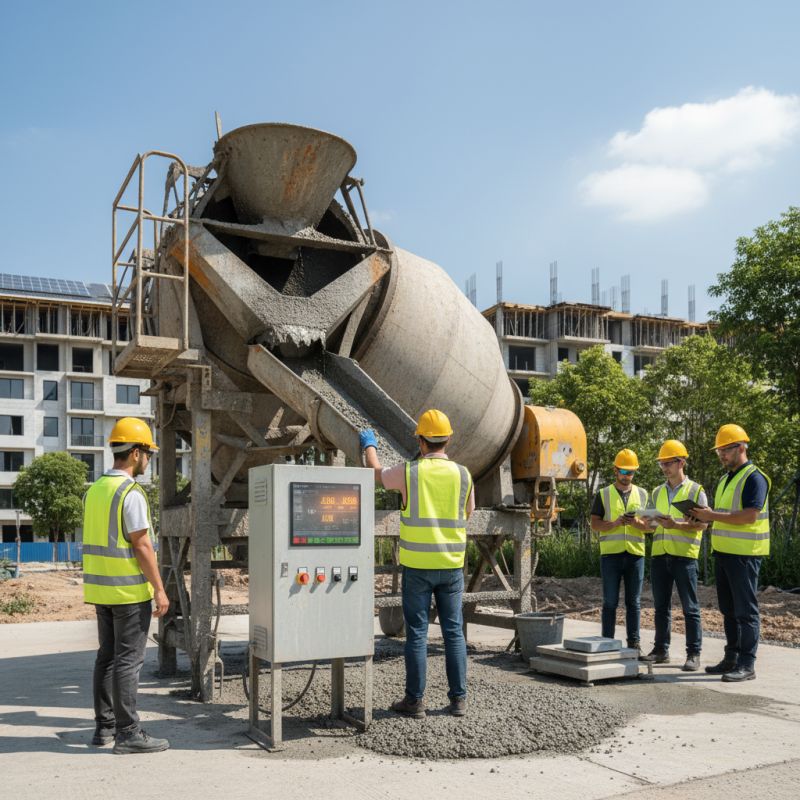
How to Cut Cement Waste in Mixing for Sustainable Construction?

Strategies for Reducing Cement Waste in Construction Mixing Processes

Cement waste can significantly impact the environment. Sustainable construction practices offer a path to reduce this waste. One effective strategy involves accurate measurement during mixing. Ensure you have precise scales to minimize over-preparation. Small errors in measurement can lead to excess mixing, resulting in waste.

Tips: Invest in training for your team. Educated workers can accurately gauge materials, lessening errors. Regularly audit mixing processes to find common problems. Awareness can lead to improvements.

Adjusting the mixing method is another way to drive down cement waste. Consider using modern mixers that allow better control over the water-to-cement ratio. Traditional methods often lead to inconsistencies. Implementing technology means a more reliable mix and less waste.

Tips: Collect data on your mixing operations. Analyze this information to identify trends in waste generation. This analysis can help pinpoint areas for improvement, reducing waste over time. Collaboration with suppliers can also optimize material delivery, minimizing excess.

Understanding the Environmental Impact of Cement Waste in Construction

Cement waste is a significant issue in construction. It contributes to environmental degradation and increases project costs. Understanding the sustainability aspect of cement use can lead to better practices in the industry. The extraction and processing of cement are energy-intensive and emit a lot of CO2. Reducing waste not only benefits the earth but also improves efficiency.

To minimize cement waste, consider careful planning. Measure the area accurately before mixing. This reduces excess due to overestimations. Proper storage is also vital. Seal unused cement to prevent clumping and moisture absorption. This keeps your materials fresh and usable.

Monitoring your mixing process can help identify issues early. Use digital tools for enhanced accuracy. Regularly train your team on sustainable practices. They play a crucial role in minimizing waste. Every small effort counts in creating a more sustainable construction environment. Reflect on your current practices and seek improvements.

Effective Measurement Techniques for Cement Mixing Quantities

Effective measurement techniques are essential to cut cement waste in construction. Precise calculations of the required cement quantity minimize excess material. Each project has unique specifications. Adjusting the mix to those specifics is crucial for reducing waste.

Using digital measuring tools can enhance accuracy. These tools help track the exact amount needed, especially in large projects. However, many still rely on manual methods, leading to human error. One common mistake is overestimating quantities, which contributes to excess waste.

Regular training on measurement techniques for workers is necessary. Understanding how to read plans accurately is vital. Over time, improving these skills can decrease waste significantly. Additionally, feedback from past projects aids in refining measurement practices. Embracing a culture of continuous learning can lead to better outcomes and a more sustainable approach to cement use.

Innovative Mixing Technologies for Sustainable Cement Use

Innovative mixing technologies are transforming how we approach cement use. These methods focus on reducing waste and enhancing efficiency. Advanced mixing equipment and techniques, such as volumetric mixers and batch mixers, are paving the way for more sustainable construction practices.

Tips: Evaluate your current mixing processes. Are you using the best technology available? Consider transitioning to newer, more efficient mixers that minimize resource waste. They can significantly reduce the amount of excess cement generated on the job site.

Moreover, incorporating sensor technology can lead to better measurement accuracy. This minimizes overestimation of material needs, reducing surplus. Digital technologies offer real-time data, allowing for adjustments during the mixing process. This leads to optimal material usage and decreased waste.

Tips: Train your team on these technologies. Ensure they understand how to utilize sensors and smart mixing equipment. Continuous education helps them adapt, making your construction process more sustainable. Remember, progress takes time and reflection on existing practices is crucial.

How to Cut Cement Waste in Mixing for Sustainable Construction? - Innovative Mixing Technologies for Sustainable Cement Use

Mixing Technology Waste Reduction Potential (%) Sustainability Benefit Implementation Cost ($) Example Application
Batch Mixing 15 Improved accuracy in material use 5000 Commercial Construction
Continuous Mixing 20 Reduction in idle material 8000 Infrastructure Projects
Ready-Mix Concrete 10 Efficient transportation of mixed materials 3000 Residential Development
High-Efficiency Mixing 25 Enhanced mixture consistency 10000 Large-scale Industrial
Additive Mixing 12 Optimization of material properties 4000 Specialty Cement Projects

Best Practices for Optimizing Cement Mix Designs to Minimize Waste

Cement is a crucial material in construction, but its waste can significantly harm the environment. According to the Global Cement and Concrete Association, about 25% of the cement used in construction goes to waste. Optimizing cement mix designs is essential for reducing this waste. This approach can save resources and lower greenhouse gas emissions.

One effective practice is to calculate the exact cement requirements for each project. Overestimating leads to excess waste. Accurate mix designs utilize a materials-based approach that considers local conditions and material properties. Using advanced software tools can help engineers determine the optimal cement ratios. Studies show that using accurate mix designs can reduce waste by up to 15%.

Recycling and reusing materials can also make a notable difference. Incorporating supplementary cementitious materials, like fly ash and slag, can reduce the need for additional cement. This can lead to a decrease in overall cement consumption. The Concrete Sustainability Hub at MIT indicates that such practices can cut cement use by up to 30%. These strategies encourage a more sustainable approach to construction, but challenges remain in achieving widespread adoption.

FAQS

: Why is cement waste a concern in construction?

: Cement waste harms the environment and raises project costs, impacting sustainability.

How can careful planning reduce cement waste?

Accurate area measurements before mixing help avoid excess material from overestimation.

What is the role of proper storage for cement?

Sealing unused cement prevents clumping and moisture, keeping materials usable.

How can I monitor the mixing process effectively?

Using digital tools improves accuracy and helps identify issues early.

Why is training important for workers in cement use?

Regular training fosters understanding of sustainable practices and reduces waste over time.

How can innovative mixing technologies improve sustainability?

New mixers and sensor technologies enhance efficiency, minimizing excess cement on-site.

What can be done to avoid human error in measurements?

Transitioning to digital measuring tools helps reduce mistakes common with manual methods.

How does feedback from past projects help?

It aids in refining measurement practices and promotes continuous improvement.

What should teams reflect on for better outcomes?

Teams need to evaluate current mixing processes and commit to learning for sustainability.

Are there any tools for real-time data during mixing?

Yes, digital technologies allow adjustments during mixing, optimizing material usage.

Conclusion

In the pursuit of sustainable construction, understanding how to reduce cement waste in mixing is crucial. Strategies to minimize cement waste focus on optimizing mixing processes through effective measurement techniques and the adoption of innovative mixing technologies. By accurately gauging the required quantities of cement, construction professionals can significantly decrease the excess that typically leads to waste.

Additionally, best practices in mix design emphasize the importance of tailored formulations that meet project specifications while reducing surplus material. By integrating these approaches, the construction industry can mitigate the environmental impact of cement waste, enhancing the sustainability of building practices and contributing to greener construction solutions.

Liam

Liam

Liam is a dedicated marketing professional with a profound expertise in the industry, where he excels at highlighting the unique advantages of our core products. With a keen understanding of market trends and consumer needs, Liam frequently updates our company’s professional blog, providing......