Choosing the right mixer type for your application is essential for achieving optimal results. Different mixers cater to varying needs, from small home kitchens to large-scale industrial operations. Each type offers distinct advantages and drawbacks, making the decision process daunting.
In today's market, options abound. You may encounter stand mixers, hand mixers, or immersion blenders. Each serves specific functions. Consider factors such as capacity, power, and versatility. Understanding these elements can greatly impact your efficiency in food preparation. However, overlooking certain details can lead to frustrations later.
Reflect on your usual cooking tasks. Do you bake often, or do you mostly whip up soups? These preferences will guide your choice. Your ideal mixer should enhance your experience and fit seamlessly into your routine. Learning how to choose the right mixer type for your application can empower you in the kitchen. It’s not just about brand or price; it’s about what will truly serve your needs best.
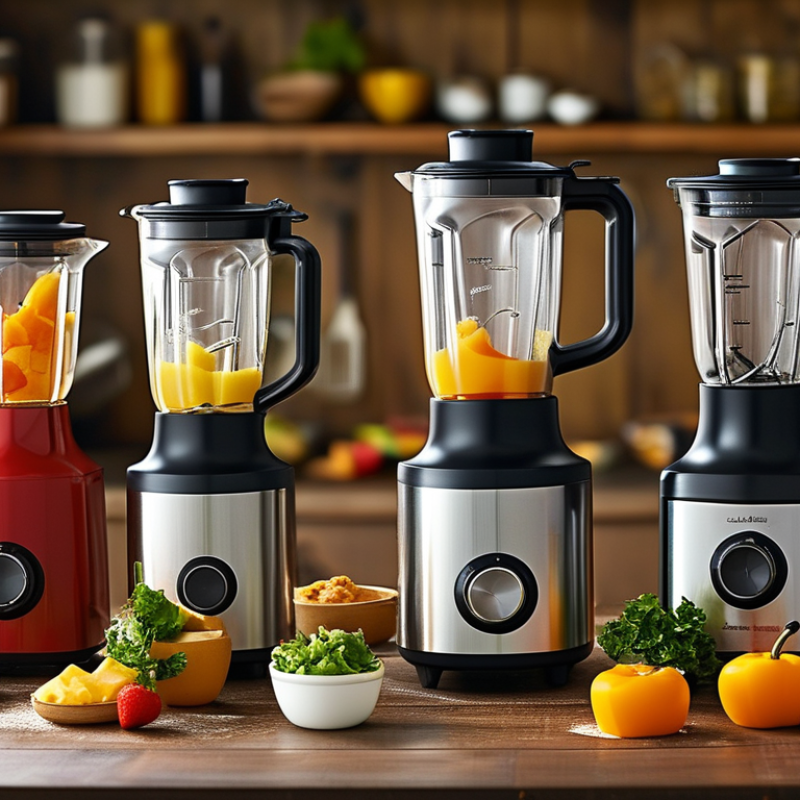
Understanding Different Types of Mixers Available in the Market
When it comes to mixers, the variety can be overwhelming. Many people are unsure which type is best for their needs. Each mixer serves distinct purposes. Understanding these variations can help clarify your selection.
Stand mixers, for example, excel in kneading dough and mixing heavy batters. They are typically heavier and more stable. A hand mixer is portable and ideal for light mixing tasks. It may not handle dense mixtures as effectively. Knowing how much you'll use the mixer plays a crucial role in your choice.
Another option is the immersion blender. It offers convenience for pureeing soups directly in a pot. It's compact but may lack the power of traditional mixers. Reflect on what you'll be preparing. Will it be frequent baking or simple daily meals? Each mixer offers its pros and cons, and it’s vital to choose one aligned with your cooking habits.
Types of Mixers and Their Popularity
Key Factors to Consider When Choosing a Mixer for Your Needs
Choosing the right mixer can significantly impact your cooking experience. To begin, you need to consider your primary use for the mixer. Are you baking frequently, or do you need it for heavy-duty tasks like kneading dough? Each task requires different mixer capabilities.
Think about the motor power. More power often means better performance, especially for thicker mixtures.
Next, consider the size and weight of the mixer. A lightweight model might be easy to store, but it could struggle with larger batches. If your kitchen has limited space, a
compact mixer is essential. However, if you bake in larger quantities, durability and stability are key. In addition, attachment options are worth examining. Some mixers come with multiple attachments, expanding their versatility for various cooking tasks.
Pay attention to the ease of cleaning as well. Some mixers have complex parts that can be hard to clean. Reflect on maintenance needs. A mixer that requires more care might not be ideal for everyone. Lastly, assess your budget. Higher-priced models can offer superior features, but there are reliable and effective options at lower prices.
Balancing your specific needs with practicality is crucial in making the right choice.
Comparing Performance: Stand Mixers vs. Handheld Mixers
When considering mixers, it's essential to compare performance between
stand mixers and
handheld mixers.
Stand mixers are powerful machines, ideal for heavy tasks.
They can mix large batches of dough effortlessly. Many home bakers appreciate their reliability for kneading bread or whipping large amounts of cream.
On the other hand, handheld mixers offer portability and convenience.
They are lightweight and easy to store. Perfect for smaller tasks like
whipping egg whites or mixing simple batters.
However, they may not handle heavy mixtures as efficiently.
Users might find that prolonged use can lead to fatigue.
It’s crucial to evaluate your specific needs when choosing a mixer.
Consider how often you'll use it and the types of recipes you typically prepare.
Some users might prefer the space-saving benefits of handheld models.
Others may feel the sturdy design of stand mixers justifies the counter space.
Each type has its pros and cons, making personal preference a significant factor in the decision process.
Users often reflect on their choices after using both types. Each experience provides insights that shape future decisions.
Assessing Mixer Features: Power, Capacity, and Attachments
When choosing a mixer, understanding the importance of power, capacity, and attachments is crucial. Power is one of the key factors. A mixer with adequate wattage ensures it can handle tough dough or thick batters without strain. Reports indicate that mixers rated between 300 to 600 watts are ideal for home bakers. Higher wattage allows for smoother operation, but it’s essential to balance this with your typical usage.
Capacity plays a significant role as well. Many users overlook the importance of bowl size. A standard capacity of around 4.5 to 5 quarts is useful for most baking needs. However, larger capacities may be necessary if you frequently cook for big gatherings. A mixer with a bowl capacity of 7 quarts might be necessary for heavy batch cooking. Remember, an oversized bowl might not fit comfortably in your kitchen.
Attachments can greatly expand functionality. Essential attachments include a standard whisk and dough hook. However, optional attachments like food processors or pasta makers can transform a mixer into a versatile kitchen tool. Industry data shows that users who invest in a variety of attachments report higher satisfaction rates. But consider whether you’ll actually use these extras. Ultimately, your ideal mixer features should align with your culinary habits.
Budgeting for Your Mixer Purchase: Finding Value for Your Money
When budgeting for a mixer, it’s essential to evaluate both cost and functionality.
Cheaper mixers often lack durability. They might break down after a few uses. Investing a little more can provide
better performance and longevity. Consider the tasks you plan to undertake. Do you need it for
occasional baking or daily meal prep? This decision impacts the mixer you choose.
Look for mixers with good warranties or customer reviews. A product's reputation may reveal its reliability.
Avoid falling for attractive designs alone. Assess how easy the mixer is to clean. The last thing you want
is a complex machine taking too long to tidy up. Check for essential features that meet your specific needs.
Sometimes, personal experiences can mislead decisions. Ask yourself: have you used a mixer that seemed
overpriced but delivered average results? Reflecting on past choices can sharpen your understanding.
A practical mixer should fit within your budget while remaining efficient. It's not just about spending less;
it’s about getting good value for your money.
FAQS
: Stand mixers are powerful and great for heavy tasks. Handheld mixers are portable and better for smaller tasks.
Evaluate how often you bake and the types of recipes you'll prepare. Think about your kitchen space too.
Mixers between 300 to 600 watts are ideal. Higher wattage ensures smoother operation for tougher mixtures.
A bowl size of 4.5 to 5 quarts is standard. Larger bowls are better for cooking for big gatherings but may not fit well in smaller kitchens.
Essential attachments include a whisk and dough hook. Optional ones like food processors can increase the mixer's versatility.
Evaluate cost against durability. Investing more often leads to better performance and longevity for frequent use.
No, design alone shouldn't dictate your choice. Focus on functionality and ease of cleaning instead.
Look for warranties, read customer reviews, and reflect on your past experiences with similar products.
Personal experiences can sometimes cloud judgment. A mixer that looked great may have underperformed.
While having many attachments can enhance functionality, consider whether you'll actually use them before deciding.
Conclusion
Choosing the right mixer type for your application is essential for achieving optimal results in your cooking or baking endeavors. The market offers various mixers, including stand mixers and handheld models, each with distinct advantages and functionalities. Understanding the differences between these types is crucial, as it allows you to assess which will best meet your specific needs.
When selecting a mixer, consider key factors such as performance, power, and capacity, as well as any additional attachments that may enhance versatility. Additionally, budgeting plays a significant role in your purchase decision; it's important to find a mixer that provides good value for your money without compromising on quality. By taking these aspects into account, you can ensure you choose a mixer that suits your culinary requirements perfectly.

 Cloverdyn Plant