When considering "What are the best practices for plant installation," industry expert John Green emphasizes the importance of planning. He states, "Proper preparation can make or break plant installation success." This insight highlights a crucial aspect of effective installation practices.
A successful plant installation requires careful attention to detail. Soil quality, spacing, and climate conditions all play vital roles. Neglecting these factors can lead to suboptimal growth. For instance, many overlook the importance of site assessment, which directly affects plant health.
In practice, it may be easy to rush the installation process. However, a well-executed plan often leads to better long-term results. Each step of the installation serves a purpose, and skimping on any part can yield disappointing outcomes. Understanding this can inspire reflection on current practices. Therefore, exploring top best practices remains essential for anyone involved in plant installation.
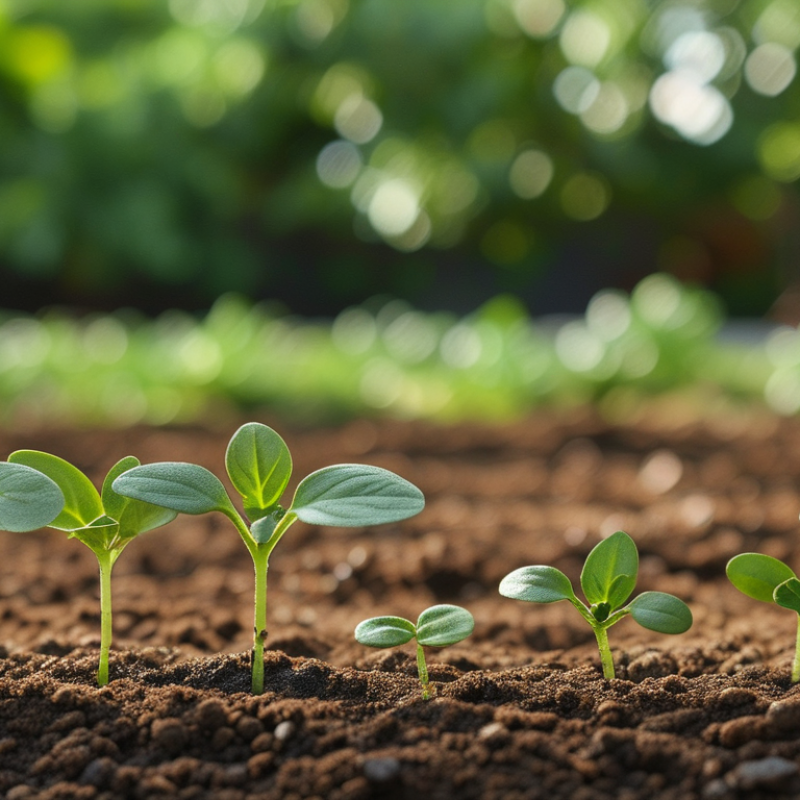
Choosing the right plant species is crucial for a successful installation. Consider your climate, soil type, and sunlight availability. Native plants often thrive better and support local wildlife. They require less maintenance and are more resistant to pests.
Tips: Research local flora. Visit local nurseries for recommendations. They can guide you toward the best options. Beware of plants that require excessive watering or special care.
Next, think about the landscape’s purpose. Are you aiming for privacy, beauty, or erosion control? Select species that meet these needs while fitting your environment. A mixture of plants can enhance biodiversity.
Tips: Draw a rough plan of your space. Sketch out zones for different plants. This exercise can reveal areas needing attention. Reflect on past landscaping choices. What worked well? What didn’t? Learning from experiences helps in future selections.
Soil testing is crucial for successful plant installation. Before planting, assess your soil's pH, nutrient levels, and texture. A simple soil test can reveal problems that can hinder plant growth. Many people overlook this step, which often leads to disappointing results later on. Testing should ideally happen a few months before planting. This allows ample time for necessary amendments.
Amending soil can improve plant health significantly. Common amendments include organic matter, lime, or sulfur, depending on the test results. Mixing in compost can enhance soil structure and nutrient levels. Some may rush this step and neglect thorough mixing. This can lead to uneven soil quality, ultimately affecting plant performance. Different plants have unique soil preferences, making it essential to tailor amendments accordingly.
Pay attention to drainage as well. Poorly drained soil can suffocate roots. Observing the area after heavy rain can give insights into drainage issues. When preparing your site, remember to account for these factors. Ignoring them can result in a lackluster garden despite diligent planting efforts. Proper preparation sets the foundation for healthy growth.
When planting, the techniques you use directly affect growth. To ensure sustainable results, prepare the soil properly. Loosen compacted earth for better root penetration. Mix in organic matter to enrich nutrient content. This creates a conducive environment for plants to thrive.
Watering practices are crucial. Overwatering can suffocate roots. Monitor soil moisture regularly. Water deeply but infrequently, allowing the top inch of soil to dry out. This encourages strong root development.
Consider plant placement carefully. Full sun? Partial shade? Each plant has different light needs. Research these requirements to avoid disappointing outcomes. Regularly observe your plants for signs of stress. Adjust care as needed. It’s a continuous learning process. Embrace the journey.
Establishing effective watering and drainage systems is critical for successful plant installation. Proper watering ensures that your plants receive the right amount of moisture. Different plants have unique needs, so it’s essential to research each variety. Overwatering can lead to root rot, while underwatering can stress the plants. A balanced approach is necessary, requiring regular checks on soil moisture.
When planning drainage, consider the soil type. Sandy soils drain quickly, while clay retains water. Adjusting your drainage system based on this can prevent pooling and promote healthy roots. Use organic matter to improve soil structure. This can help retain moisture while allowing excess water to escape. Detecting drainage issues early can save plants from damage.
Creating a layout for your watering system can also be beneficial. Drip irrigation might be an option for precise watering. However, setting up such systems can sometimes feel overwhelming. Regular maintenance is necessary, and sometimes it may require expert advice. Reflecting on your results after each season helps refine your approach for better outcomes next time.
Successful plant installation goes beyond just placing greenery in the ground. Implementing proper maintenance practices is key to ensuring plants thrive long term. Regular check-ins can help spot issues early. Consider setting up a watering schedule that matches the plant's needs. Over-watering can kill roots. Under-watering stresses plants. Adjust your frequency based on the season.
Tips: Monitor soil moisture levels. Use a ruler to gauge depth. This simple method can prevent over or under-watering. Also, provide fertilizers suitable for the plant type. A balanced feed will support growth and health.
Pests can be a significant challenge. Regularly inspect leaves for signs of trouble. Catching infestations early is crucial. Consider organic treatments for a safer approach. Sometimes, the best solution is simply removing affected leaves. Don't hesitate to prune. It can help airflow and prevent disease. Establish a routine, but be flexible. Nature is unpredictable; plants may behave differently than expected.
| Best Practice | Description | Importance | Frequency of Practice |
|---|---|---|---|
| Site Preparation | Clearing and prepping the installation area | Critical for optimal growth | Before installation |
| Soil Testing | Analyzing soil nutrients and pH | Ensures proper plant health | Annually |
| Choosing the Right Plants | Selecting species suited for the local climate | Critical for long-term success | Every installation |
| Proper Spacing | Ensuring adequate room for growth | Prevents overcrowding | During installation |
| Irrigation Planning | Setting up an appropriate watering system | Essential for water management | Before and during installation |
| Mulching | Applying organic material around plants | Retains moisture and suppresses weeds | After planting |
| Regular Monitoring | Checking plant health and growth | Early detection of issues | Weekly |
| Pest Management | Implementing strategies to prevent pests | Protects plant health | Monthly |
| Seasonal Adjustments | Adapting care practices with seasons | Maintains optimal conditions | Quarterly |
| Education and Training | Training staff on best practices | Ensures knowledgeable care | Annually |
: Properly prepare the soil by loosening compacted earth and adding organic matter.
Overwatering can suffocate roots. Water deeply but infrequently, allowing the top inch of soil to dry.
Different plants have varying light needs. Research their requirements to ensure proper growth and health.
Regular check-ins are essential to spot issues early. Adjust care based on their needs and conditions.
Using a ruler can help gauge soil moisture depth, preventing over or under-watering.
Inspect leaves regularly and consider organic treatments. Remove affected leaves to manage infestations.
Provide suitable fertilizers and adjust watering based on the season. Balance is key to health.
Embrace the learning journey. Adjust your techniques and be flexible; nature can be unpredictable.
Over or under-watering is frequent. Monitor soil moisture closely to make necessary adjustments.
Pruning helps improve airflow and prevents disease, promoting overall plant health and growth.
When considering what are the best practices for plant installation, it is essential to start by choosing the right plant species that thrive in your specific environment. This ensures that the plants are well-suited to the local climate and soil conditions. Preparing the site is also crucial; conducting soil testing and making necessary amendments can significantly enhance plant growth.
Proper planting techniques must be employed to promote sustainable growth, which includes planting at the correct depth and spacing. Establishing effective watering and drainage systems is vital to prevent waterlogging or drought stress. Lastly, implementing routine maintenance practices will ensure the long-term success of the plants, allowing them to flourish in their new environment. By following these best practices, you can create a thriving landscape that benefits both the ecosystem and your aesthetic goals.

Cloverdyn Plant